
Spart And Design Health & Fitness Finding The Best Autism Therapy For Your Child’s Needs

Finding The Best Autism Therapy For Your Child’s Needs

Every parent dreams of unlocking the full potential within their child, yet for families navigating the world of autism, that journey can feel overwhelming and labyrinthine.

Choosing the right intervention isn’t merely a decision—it’s a pivotal moment that can shape a child’s development, confidence, and future. With countless therapies promising transformative results, how do you discern which path truly aligns with your child’s unique strengths and challenges?

The search for effective Autism support services Canada can be both daunting and empowering, offering a spectrum of innovative programs tailored to diverse needs. From evidence-based behavioral approaches to sensory integration techniques, each therapy brings a distinct methodology and philosophy.

The key lies in understanding not only what the therapies entail but how they resonate with your child’s individuality, temperament, and learning style. Imagine a program where progress is measurable, engagement is joyful, and milestones—no matter how small—are celebrated as victories.

Your child’s journey toward growth, communication, and social connection begins with a single, informed step. Discovering the best therapy isn’t about following trends; it’s about finding the nuanced fit that nurtures potential, sparks confidence, and transforms everyday moments into meaningful achievements.

Understanding Autism and Its Spectrum

Autism, or Autism Spectrum Disorder (ASD), is a complex developmental condition characterized by differences in social interaction, communication, behavior, and sensory processing. Every child with autism is unique, which is why a one-size-fits-all approach rarely works. Some children may excel academically but struggle with social interactions, while others might face challenges in communication but thrive in creative or logical tasks.

Why Individualized Therapy Matters

Therapies are most effective when tailored to a child’s strengths and challenges. Individualized approaches consider:

  • Communication abilities: Does your child communicate verbally or non-verbally? Are there specific speech delays or challenges?

  • Sensory sensitivities: Does your child have heightened sensitivity to sound, touch, or light?

  • Behavioral tendencies: Are repetitive behaviors impacting daily functioning? Is there a need to improve social interaction?

  • Cognitive abilities: What are your child’s learning styles, attention span, and problem-solving skills?

By understanding these aspects, you can select therapies that not only target developmental challenges but also build on existing strengths.

Common Types of Autism Therapy

The field of autism therapy has evolved significantly over the past decades. Each therapy has unique methodologies, goals, and outcomes. Understanding them is crucial to selecting the right combination for your child.

1. Applied Behavior Analysis (ABA)

ABA therapy is one of the most researched and widely used approaches for children with autism. It focuses on reinforcing positive behaviors while reducing behaviors that interfere with learning and social development.

Key Features:

  • Uses structured, evidence-based methods.

  • Reinforces desired behaviors with rewards.

  • Breaks complex skills into manageable steps.

Benefits:

  • Improves communication, social skills, and adaptive behaviors.

  • Provides measurable progress that can be tracked over time.

  • Can be tailored to different ages and developmental levels.

2. Speech and Language Therapy

Communication challenges are central to many children with autism. Speech and language therapy focuses on improving verbal and non-verbal communication, enhancing expressive and receptive language skills, and teaching alternative communication methods such as sign language or communication devices.

Key Features:

  • Develops vocabulary and sentence structure.

  • Enhances understanding of language.

  • Supports social communication and conversational skills.

Benefits:

  • Enables children to express their needs and feelings.

  • Reduces frustration and behavioral issues associated with communication barriers.

  • Supports inclusion in academic and social settings.

3. Occupational Therapy (OT)

Occupational therapy helps children with autism develop essential daily living skills and cope with sensory processing difficulties. This therapy is particularly useful for children who struggle with fine motor skills, coordination, and self-care.

Key Features:

  • Focuses on sensory integration and motor skills.

  • Teaches daily routines like dressing, feeding, and hygiene.

  • Enhances focus, attention, and self-regulation.

Benefits:

  • Promotes independence and confidence.

  • Reduces sensory overload and meltdowns.

  • Supports participation in school and social activities.

4. Social Skills Training

Social skills training targets the ability to interact effectively with peers, family, and the broader community. Many children with autism face challenges in understanding social cues, making friends, and responding appropriately in social situations.

Key Features:

  • Role-playing exercises for real-life social interactions.

  • Group sessions to practice communication and collaboration.

  • Focus on empathy, perspective-taking, and conflict resolution.

Benefits:

  • Enhances friendships and peer relationships.

  • Improves emotional regulation and self-confidence.

  • Supports inclusion in academic and recreational settings.

5. Sensory Integration Therapy

Sensory integration therapy addresses difficulties in processing sensory information. Children may be over-sensitive or under-sensitive to stimuli such as light, sound, touch, or movement.

Key Features:

  • Uses activities like swinging, bouncing, or tactile games.

  • Helps children learn to manage sensory input.

  • Often combined with occupational therapy.

Benefits:

  • Reduces anxiety and behavioral challenges.

  • Improves focus and learning.

  • Enhances participation in daily routines.

6. Cognitive Behavioral Therapy (CBT)

For children who experience anxiety, depression, or obsessive behaviors, CBT can be highly effective. This therapy helps children recognize and manage negative thoughts and develop coping strategies.

Key Features:

  • Structured sessions focusing on thoughts, feelings, and behaviors.

  • Develops problem-solving and coping mechanisms.

  • Can be adapted for children with varying communication abilities.

Benefits:

  • Reduces anxiety, stress, and behavioral challenges.

  • Promotes emotional regulation.

  • Supports resilience and independence.

How to Choose the Right Autism Therapy

Selecting the right therapy is not about choosing the most popular or expensive option—it’s about finding what works best for your child’s individual needs.

Step 1: Conduct a Comprehensive Assessment

Start with a detailed evaluation by qualified professionals. This may include:

  • Developmental and behavioral assessments.

  • Speech and language evaluations.

  • Sensory processing tests.

  • Cognitive and adaptive skills evaluations.

The results will provide a roadmap for identifying areas that require support and those where your child excels.

Step 2: Consider Your Child’s Preferences and Strengths

Observe your child closely. Which activities engage them? What motivates them? Incorporating their interests into therapy can increase participation and success.

Step 3: Set Clear Goals

Define short-term and long-term goals for therapy. Examples include:

  • Improving communication skills within six months.

  • Learning to participate in group activities.

  • Developing independent self-care routines.

Goals should be specific, measurable, attainable, relevant, and time-bound (SMART).

Step 4: Evaluate Therapy Approaches

Consider the following when evaluating therapies:

  • Evidence-based effectiveness.

  • Frequency and duration of sessions.

  • Home-based versus clinic-based options.

  • Therapist qualifications and experience.

Step 5: Monitor Progress and Adjust

Therapy is dynamic. Regularly review your child’s progress and adjust interventions as needed. Flexibility ensures that therapy continues to meet evolving needs.

Integrating Multiple Therapies

For many children, a combination of therapies yields the best results. For instance, pairing ABA with speech therapy and occupational therapy addresses behavioral, communication, and daily living skills simultaneously. Collaboration among therapists, educators, and families ensures a cohesive, supportive approach.

Practical Tips for Parents

Navigating autism therapy can feel overwhelming, but these practical strategies can help:

  • Maintain a detailed therapy journal: Track progress, setbacks, and observations.

  • Advocate for your child: Work closely with educators, therapists, and medical professionals.

  • Involve the whole family: Siblings and extended family can reinforce learning and social skills.

  • Prioritize self-care: Parenting a child with autism requires resilience—don’t neglect your own well-being.

  • Seek support networks: Parent groups, online forums, and community resources provide guidance, encouragement, and shared experiences.

Overcoming Common Challenges

Even with the best therapy plan, challenges arise. Common obstacles include:

  • Resistance to therapy sessions.

  • Difficulty generalizing skills to new environments.

  • Behavioral meltdowns or frustration.

  • Limited access to qualified therapists.

Solutions involve patience, flexibility, and creative problem-solving. Introducing therapy gradually, using positive reinforcement, and ensuring consistent routines can significantly improve engagement.

Emerging and Alternative Therapies

While traditional therapies remain foundational, emerging approaches may complement your child’s development:

  • Music therapy: Enhances communication, social interaction, and emotional expression.

  • Animal-assisted therapy: Provides emotional support and encourages social engagement.

  • Technology-based interventions: Apps and virtual platforms offer interactive learning and communication practice.

Always consult professionals before starting alternative therapies to ensure safety and effectiveness.

The Role of Early Intervention

Research consistently shows that early autism therapy leads to the best outcomes. Intervening during preschool years can significantly improve cognitive, social, and adaptive skills. Early therapy takes advantage of the brain’s plasticity, allowing children to acquire critical skills during formative periods of development.

Measuring Success

Success in autism therapy is not solely about eliminating challenges—it’s about fostering growth, independence, and confidence. Signs of progress may include:

  • Improved communication and language abilities.

  • Increased engagement in social interactions.

  • Greater independence in daily living activities.

  • Reduced anxiety and behavioral difficulties.

  • Enhanced self-esteem and resilience.

Remember, every milestone, no matter how small, represents meaningful progress.

Conclusion

Finding the best autism therapy for your child is a journey that requires knowledge, patience, and advocacy. By understanding the spectrum of available therapies, evaluating your child’s unique needs, and collaborating with professionals, you can create a tailored plan that empowers your child to thrive.

Therapy is not just a treatment—it’s an investment in your child’s future. With the right approach, your child can develop essential skills, navigate challenges with confidence, and lead a fulfilling, enriched life. The key lies in individualized care, early intervention, and ongoing support from family and professionals alike.

Every child’s path is unique, but with careful guidance, informed decisions, and unwavering support, you can unlock your child’s potential and help them flourish in ways you never imagined.
Leave a Reply

Your email address will not be published. Required fields are marked *

Related Post

Easy Ways To Improve Your Mental Stamina DailyEasy Ways To Improve Your Mental Stamina Daily

Every day, your mind is tested. Endless notifications, overwhelming deadlines, and the silent weight of personal expectations can leave you feeling depleted before the day is even half over. Yet imagine if you could harness a reservoir of mental stamina so deep that focus, clarity, and resilience became second nature. This isn’t about fleeting bursts of motivation—it’s about cultivating daily practices that sharpen your mind, fortify your emotional endurance, and help you thrive in the face of life’s chaos.

The truth is, your brain craves rhythm, nourishment, and restoration. Small rituals—whether it’s intentional breathing, mindful pauses, or a strategic sleep schedule—hold the power to transform scattered energy into steady, sustainable strength. When mental fatigue no longer rules your decisions, you unlock hidden confidence and creativity that ripple into every area of life, from work to relationships. Picture waking each morning with unshakable focus, gliding through challenges with calm certainty, and ending the day still holding energy in reserve.

That is the power of enhancing your mental resilience—and it begins with simple, consistent steps. Start today, and watch how quickly the discipline of daily stamina shifts the trajectory of your entire well-being, far more effectively than chasing quick fixes like comparing the cialis 20mg price in UAE for temporary relief.

What Is Mental Stamina and Why Does It Matter?

Understanding Mental Stamina

Mental stamina is your brain’s ability to sustain concentration, stay resilient under pressure, and recover quickly after mental exertion. It’s not just about intelligence—it’s about endurance. Just like an athlete needs muscle strength to perform, you need mental strength to manage stress, make decisions, and keep moving forward despite challenges.

Why Mental Stamina Is Crucial

  • It improves focus and prevents distractions from derailing your productivity.

  • It enhances resilience, helping you navigate setbacks without crumbling.

  • It boosts emotional stability, reducing irritability and burnout.

  • It keeps your motivation alive, even when tasks feel repetitive or draining.

In short, mental stamina equips you to handle life’s demands with clarity and strength. Without it, stress takes over, procrastination multiplies, and confidence dips.

Easy Daily Ways to Improve Your Mental Stamina

1. Prioritize Quality Sleep

Sleep isn’t a luxury—it’s brain fuel. Poor sleep directly reduces attention span, memory, and emotional regulation. Aim for 7–9 hours of restful sleep daily. Create a wind-down routine: dim lights, disconnect from screens, and keep a consistent schedule. When you wake up refreshed, your mental stamina naturally strengthens.

2. Practice Mindful Breathing

Deep, mindful breathing activates the parasympathetic nervous system, calming stress and enhancing focus. Just 5 minutes of conscious breathing in the morning can set the tone for mental clarity throughout your day.

3. Break Tasks into Small Chunks

One of the quickest ways to drain mental stamina is tackling overwhelming tasks head-on. Instead, break them down. Completing small steps gives your brain a dopamine reward, building momentum without burnout.

4. Nourish Your Brain With the Right Foods

Your brain consumes about 20% of your body’s total energy. Feeding it well is non-negotiable. Include foods rich in omega-3s, antioxidants, and complex carbs:

  • Blueberries for memory boost

  • Walnuts and almonds for sustained energy

  • Dark leafy greens for brain protection

  • Whole grains for long-lasting focus

5. Build a Consistent Exercise Routine

Physical activity enhances blood flow to the brain, improving mood, memory, and focus. You don’t need marathon training—20 minutes of brisk walking, yoga, or light cardio daily can significantly build mental stamina.

6. Limit Multitasking

Multitasking feels productive but actually fragments your focus. Train yourself to handle one task at a time. This strengthens your ability to concentrate deeply—an essential component of mental stamina.

7. Train Your Brain with Mental Challenges

Crosswords, puzzles, strategy games, or learning a new skill keep your brain flexible. Just as muscles grow with resistance, your brain grows stronger with cognitive challenges.

8. Manage Stress with Meditation

Meditation reduces cortisol and builds resilience. Even a short 10-minute session can dramatically improve focus and emotional balance. Over time, this creates a mental buffer against stress.

9. Practice Positive Self-Talk

The way you talk to yourself matters. Replace self-defeating language with empowering affirmations. For instance, swap “I can’t handle this” with “I’ll take this one step at a time.” This fuels mental stamina by fostering a resilient mindset.

10. Stay Hydrated

Even mild dehydration leads to fatigue and poor concentration. Keep a water bottle nearby and aim for 8–10 glasses daily. Think of hydration as lubrication for your brain’s gears.

Building Long-Term Mental Stamina Habits

Cultivate a Growth Mindset

View challenges as opportunities to grow, not obstacles. A growth mindset shifts your brain into problem-solving mode, reinforcing resilience and mental endurance.

Schedule Regular Breaks

Your brain follows ultradian rhythms—cycles of about 90 minutes of high activity followed by natural dips. Respect these cycles. Take 5–10 minute breaks to recharge instead of forcing continuous focus.

Create a Digital Detox Routine

Constant notifications drain mental energy. Establish “tech-free zones” during meals, before bed, and during deep work. This protects your mental stamina from digital overload.

Journaling for Mental Clarity

Writing down thoughts reduces mental clutter, improves focus, and helps track progress. A nightly journal practice helps unload stress and resets your mind for the next day.

Advanced Strategies to Boost Mental Stamina

Visualization Techniques

Elite athletes use visualization to strengthen focus and endurance. Picture yourself completing tasks calmly and efficiently. This primes your brain for real performance.

Cold Showers and Hormetic Stress

Exposing your body to short bursts of discomfort—like cold showers—trains resilience. Hormetic stress strengthens both body and mind, enhancing mental stamina.

Gratitude Practice

Gratitude rewires your brain toward positivity. Spend 2 minutes daily reflecting on things you’re thankful for. It fosters optimism, which is key for mental resilience.

Surround Yourself With Mental Energy Builders

Your environment influences your stamina. Connect with people who uplift you, consume content that inspires you, and declutter your workspace to avoid hidden energy drains.

Conclusion

Building mental stamina isn’t about occasional bursts of willpower—it’s about daily practices that nurture your brain and protect your emotional reserves. Start small: improve your sleep, hydrate, breathe deeply, and cut down on multitasking. Then layer on advanced practices like meditation, journaling, and visualization. Over time, these rituals transform into habits, and habits shape resilience.

When you treat your mental energy as a renewable resource and guard it with intention, you become unstoppable. You’ll notice greater clarity, improved productivity, and a deep-rooted calm even during chaos. Remember—your mind is the muscle that drives everything else. Strengthen it daily, and life becomes less of a grind and more of an opportunity.

How To Store Medical Equipment Properly?How To Store Medical Equipment Properly?

Proper storage of medical equipment is far more than a simple task—it’s a critical component in safeguarding patient health and ensuring the longevity of vital tools. Imagine a chaotic supply room where instruments are carelessly piled, vulnerable to contamination or damage. Such negligence can compromise safety and efficiency in medical environments.

Storing equipment correctly demands a strategic approach that balances hygiene, organization, and accessibility. From the moment devices are sanitized to their placement in climate-controlled storage areas, every step matters. This isn’t just about tidiness; it’s about preserving the integrity of medical equipments and ensuring they perform flawlessly when needed.

Whether you’re a healthcare professional or searching for Medical equipments near me, understanding proper storage protocols can save time, reduce costs, and prevent health risks. Avoiding exposure to moisture, dust, and extreme temperatures preserves sterility and functionality.

Attention to detail in labeling and categorizing also streamlines workflow, enhancing response times during emergencies. Take control of your facility’s inventory by implementing effective storage solutions today—because when it comes to medical care, precision and preparedness can make all the difference.

Why Proper Storage of Medical Equipment Matters

Preserving Functionality and Accuracy

Medical equipment is often delicate and sophisticated, containing sensitive electronics or precision parts. Improper storage can lead to damage from moisture, dust, or physical impacts, which compromises the accuracy and functionality of these devices. For example, blood pressure monitors or glucometers that aren’t stored correctly may provide inaccurate readings, putting patient health at risk.

Preventing Contamination and Infection

Infection control is paramount in healthcare. Many pieces of medical equipment come into direct contact with patients, making cleanliness and sterilization crucial. If equipment is stored in unhygienic or inappropriate environments, it can become a breeding ground for harmful pathogens, jeopardizing patient safety.

Extending Equipment Lifespan and Saving Costs

Purchasing and maintaining medical equipment is expensive. Proper storage minimizes wear and tear, reduces the frequency of repairs, and extends equipment lifespan, leading to significant cost savings for healthcare facilities or individuals. This proactive approach also reduces downtime caused by equipment failures.

The Basics of Medical Equipment Storage

Assessing the Equipment Type

Not all medical equipment has the same storage needs. For instance, reusable surgical instruments require sterilized, dry environments, while electronic monitors need protection from static electricity and moisture. Understanding the specific storage requirements of each type of equipment is your first step.

Choosing the Right Storage Environment

The environment where you store medical equipment should be controlled for temperature, humidity, and cleanliness. Typically, a cool, dry, and well-ventilated space is ideal. Avoid areas prone to dust, direct sunlight, or chemical exposure.

Organizing for Easy Access and Inventory Management

Proper storage isn’t just about safety; it’s also about efficiency. Organize your equipment systematically with clear labeling and designated spaces. This minimizes the risk of misplacement and simplifies regular inventory checks.

Step-by-Step Guide: How to Store Medical Equipment Properly

Step 1: Clean and Disinfect Before Storage

Before storing any medical equipment, always ensure it is thoroughly cleaned and disinfected according to manufacturer instructions or healthcare protocols. Residual biological material or dirt can damage equipment or lead to cross-contamination.

  • Use approved disinfectants suitable for the specific equipment.

  • Allow items to dry completely before storing.

  • For instruments requiring sterilization, follow recommended autoclaving or chemical sterilization procedures.

Step 2: Inspect Equipment for Damage

Regular inspection before storage helps detect any damage or wear that may need repair. Look for cracks, loose parts, corrosion, or frayed cables.

  • Tag damaged items for repair.

  • Remove non-functional equipment from service promptly.

Step 3: Select Appropriate Storage Containers and Shelving

Different medical equipment requires different storage solutions:

  • Use airtight, dustproof containers for sensitive items like surgical instruments.

  • Shelving units with adjustable heights can accommodate larger devices.

  • Use padded cases or foam inserts for fragile electronics.

Step 4: Control Temperature and Humidity

Maintaining a stable temperature (typically between 15°C to 25°C or 59°F to 77°F) and humidity level (around 30%-50%) helps prevent corrosion, mold growth, and degradation.

  • Use dehumidifiers or air conditioning in humid climates.

  • Avoid storing equipment in basements or garages where conditions fluctuate.

Step 5: Protect From Light and Radiation

Direct sunlight and ultraviolet light can damage plastics, rubber, and other materials in medical equipment. Shield equipment by storing in opaque or UV-resistant containers and rooms.

Step 6: Label and Categorize Equipment

Clear labeling facilitates easy identification and proper rotation, especially for consumable or time-sensitive devices.

  • Use waterproof labels.

  • Include dates for last cleaning or maintenance.

  • Group similar items together.

Step 7: Implement a Storage Policy and Staff Training

Ensure all healthcare staff understand proper storage protocols to maintain consistency.

  • Develop a written storage policy.

  • Conduct regular training sessions.

  • Assign responsibilities for monitoring storage conditions.

Special Considerations for Different Types of Medical Equipment

Storing Electronic Medical Devices

Electronic devices such as monitors, defibrillators, or infusion pumps require extra care.

  • Keep away from magnetic fields and static electricity.

  • Use anti-static bags or cases.

  • Avoid stacking heavy items on top to prevent damage.

  • Regularly check batteries and power cords.

Storing Surgical Instruments

Sterile surgical tools need:

  • Sterilized packaging.

  • Controlled humidity to avoid rust.

  • Proper racks or trays that prevent scratching.

  • Immediate return to sterile storage after use.

Storing Disposable Medical Supplies

Items like syringes, gloves, and bandages should be:

  • Stored in cool, dry areas.

  • Protected from contamination.

  • Rotated on a first-in, first-out basis to prevent expiration.

Maintaining Medical Equipment in Storage

Regular Monitoring and Auditing

Set a schedule to routinely inspect stored equipment, checking for cleanliness, damage, and environmental conditions.

  • Use checklists.

  • Document findings.

  • Adjust storage conditions as needed.

Performing Routine Maintenance

Follow manufacturer guidelines for periodic calibration, lubrication, or software updates, even when equipment is in storage.

Proper Handling During Transport to Storage

Handle equipment gently to avoid jarring or impact damage. Use carts or carriers designed for medical tools.

Common Mistakes to Avoid in Medical Equipment Storage

  • Storing equipment in damp or dusty environments.

  • Neglecting to clean equipment before storage.

  • Overcrowding storage areas, leading to damage.

  • Ignoring manufacturer storage guidelines.

  • Failing to train staff on proper procedures.

Conclusion

Properly storing medical equipment is a cornerstone of effective healthcare delivery. It protects the functionality, safety, and longevity of essential tools that medical professionals depend on every day. By following the steps outlined in this comprehensive guide — cleaning and disinfecting, inspecting, selecting suitable storage environments, controlling climate factors, labeling, and training staff — healthcare facilities and individuals can safeguard their investments and, more importantly, the lives of their patients.

Adopting strict storage policies and continuously monitoring conditions will reduce equipment failures, enhance patient care quality, and create cost efficiencies. Whether you are managing a large hospital, a small clinic, or home care, never underestimate the power of proper medical equipment storage. Start today and experience the benefits of well-maintained, reliable, and safe medical devices that perform exactly when you need them.

FAQs about Medical Equipment

What are the 5 storage guidelines of medical supplies?

Proper storage of medical supplies is essential to keep them safe and effective for use. First, always store supplies in a clean, dry, and well-ventilated area to prevent contamination and damage. Second, organize supplies by category and label them clearly so they are easy to find when needed.

Third, keep supplies away from direct sunlight and extreme temperatures because these conditions can degrade their quality. Fourth, regularly check expiration dates and remove expired or damaged items promptly to maintain safety. Lastly, follow manufacturer instructions and facility policies for any special storage requirements, especially for sensitive items like vaccines or sterile materials.

These guidelines help reduce the risk of infection, maintain the effectiveness of medical supplies, and ensure that healthcare providers have reliable tools when treating patients. Following these steps also promotes efficiency and reduces waste in healthcare settings.

How to store equipment correctly?

Storing medical equipment correctly means protecting it from damage and contamination while keeping it ready for use. First, clean and disinfect equipment before storage to remove any dirt or germs. Then, store the equipment in designated areas that are organized and secure to prevent loss or damage.

Sensitive or fragile equipment should be kept in padded or protective containers to avoid breakage. It’s important to keep equipment away from moisture and extreme temperatures, as these can cause rust or malfunction.

In addition, equipment should be stored in a way that allows easy access for maintenance checks and quick retrieval during emergencies. Labeling equipment storage areas clearly helps staff find what they need quickly. Following manufacturer guidelines for specific equipment storage is also necessary to maintain its performance and safety.

What is the proper way to store medical records?

Medical records should be stored securely to protect patient privacy and ensure easy access when needed. They should be kept in a clean, dry, and well-organized area, ideally in locked cabinets or secure rooms with controlled access to prevent unauthorized viewing. For electronic records, strong passwords and encryption are important to protect sensitive information.

It’s also essential to keep records organized by patient name, date, or another system to find information quickly. Records should be backed up regularly, especially digital ones, to prevent data loss in case of technical failures. Keeping medical records safe and well-maintained helps healthcare providers offer better care and comply with legal regulations regarding patient information.

How should patient care equipment be stored?

Patient care equipment must be stored in a way that ensures it stays clean, safe, and ready to use. After each use, equipment should be thoroughly cleaned and disinfected to remove any germs or bodily fluids. It is best to store this equipment in designated areas that are dry and protected from dust and contaminants.

Delicate or reusable items, like oxygen masks or blood pressure cuffs, should be placed in separate containers or shelves to avoid cross-contamination. Equipment should also be arranged so that staff can easily access it when needed for patient care. Regular inspection of stored equipment is important to check for damage or wear and to ensure everything is functioning correctly.

What is the temperature for sterile storage?

Sterile storage areas should be kept at a controlled temperature to maintain the sterility and effectiveness of medical supplies. The ideal temperature range is usually between 18°C to 24°C (about 64°F to 75°F). This moderate temperature helps prevent the growth of bacteria and mold that could compromise sterile products.

It’s important to avoid extreme heat or cold, as these conditions can damage packaging or the contents inside. Along with temperature control, humidity should also be monitored, ideally kept below 70%, to protect sterile items from moisture. Maintaining proper environmental conditions in sterile storage helps ensure that medical supplies remain safe and ready for patient use.

The Last Steer To Hiring A Professional Bodyguard In LondonThe Last Steer To Hiring A Professional Bodyguard In London

Hiring a professional bodyguard is a serious , whether you 39;re a high-profile person, a business executive director, or plainly someone who needs added surety for subjective or syndicate reasons. In London, one of the earth rsquo;s busiest and most cosmopolite cities, subjective surety has become more and more epochal. With an lay out of security services available, choosing the right professional person guard can be a discouraging task. hire bodyguards in london.

This guide will walk you through the work on of hiring a competent bodyguard in London, offering advice, key considerations, and requisite factors to see to it your safety is in the best workforce.

1. Understand Why You Need a Bodyguard

Before you take up looking for a bodyguard, it rsquo;s operative to clearly why you need one. There are several reasons people hire bodyguards, and the requirements will differ based on your situation.

Common reasons for hiring a guard in London:

  • Threats of Violence or Harassment: If you rsquo;ve been targeted by an soul or aggroup or feel threatened.
  • High-Profile Status: Celebrities, politicians, business leaders, and public figures often hire bodyguards to protect themselves from potentiality stalkers or kidnappers.
  • Traveling to High-Risk Areas: Bodyguards can play along you to strange locations or risky areas in the city, ensuring your safety during jaunt.
  • Personal and Family Protection: If you 39;re related about your syndicate rsquo;s surety, you might hire a guard to protect preferent ones during populace events or high-profile engagements.

Once you rsquo;ve established your security needs, you can go forward to take a bodyguard that matches those specific requirements.

2. What to Look for in a Professional Bodyguard

Hiring a guard isn rsquo;t just about looking for someone who is physically subject. A professional person guard needs to have a intermingle of skills, undergo, and subjective traits. Here are key qualities to look for:

1. Experience and Training

A good bodyguard will have preparation in areas such as risk judgment, defensive attitude tactics, emergency first aid, and threat direction. Many bodyguards come from armed forces, police, or surety backgrounds, which provides them with the necessary skills and undergo to wield various situations. It rsquo;s momentous to control their certificate and ask for references or proof of their past surety experience.

2. Physical Fitness

Bodyguards are necessary to maintain first-class physical fitness, as they may need to react apace to perilous situations. While the emphasis is not solely on size, bodyguards should be able to run, support themselves, and ascertain the refuge of their guest under high-stress conditions.

3. Discretion and Professionalism

Discretion is key. A guard should exert a high rase of professionalism, sympathy the grandness of . Whether you rsquo;re a celebrity or a business executive, a bodyguard should be reverential of your concealment and personal quad at all multiplication.

4. Tactical and Communication Skills

In addition to natural science protection, a bodyguard should be masterful in tactical -making and have a strong ability to pass in high-pressure situations. They should be able to tax risks speedily, make decisions on the fly, and pass clearly with you and any other team members mired in your security.

5. Local Knowledge

A good bodyguard should be familiar with London rsquo;s geography, high-risk areas, and safe routes. They should also be able to foresee potentiality threats that may go up in particular neighborhoods or during certain events. Local noesis can be a essential asset when navigating through the city 39;s busy streets, venues, and channelise systems.

3. Choose a Reputable Security Firm or Independent Bodyguard

In London, there are two primary feather options for hiring a guard: through a surety firm or straight hiring an mugwump .

Hiring Through a Security Firm

A well-established security firm will volunteer a comp rooms of services, often including a team of skilled bodyguards, high-tech provision, and matching security for high-profile individuals or events. Firms typically have a demanding hiring process and offer a range of tribute options tailored to the guest rsquo;s needs. Advantages admit access to a team of professionals and a more structured set about to surety.

When hiring through a security firm, it rsquo;s probative to:

  • Check the firm 39;s licensing and certifications.
  • Read reviews and seek client testimonials.
  • Understand the firm 39;s approach to risk judgment and surety preparation.

Hiring an Independent Bodyguard

Some individuals favour to hire an fencesitter bodyguard. While this can offer a more personal set about, you must see to it the someone is adequately trained, accredited, and trustworthy. Independent contractors may be former military, patrol officers, or extremely trained surety professionals.

Key things to verify include:

  • Criminal downpla checks.
  • Previous client references.
  • Insurance reportage in case of emergencies or accidents.

4. Understand the Costs Involved

The cost of hiring a guard in London can vary greatly depending on several factors, including the guard rsquo;s go through, the complexity of the grant, and the tear down of surety necessary.

Average Costs:

  • Hourly Rates: Expect to pay between thump;25 and pound;100 per hour for an somebody guard, depending on their expertise.
  • Daily Rates: A full day of tribute typically between pound;250 and pound;600.
  • Special Event Security: If you need protection for a high-profile or a large group, the cost can step up to thump;1,000 per day for a team of bodyguards.

Most guard services also offer packages that include extra features, such as hi-tech surveillance, private transfer, and reply. The more specialized the service, the higher the cost.

It rsquo;s prodigious to discuss the full scope of services and costs with the guard or firm upfront to keep off surprises later.

5. Define Your Expectations and Set Boundaries

When hiring a bodyguard, it rsquo;s requisite to clearly your expectations from the take up. Discuss your needs openly and assure that both you and your guard have a interactional sympathy of what the job entails.

Key aspects to cover:

  • Duties and Responsibilities: What specific tasks will the bodyguard be responsible for(e.g., related to you to events, monitoring surveillance, crowd control)?
  • Working Hours: Are you looking for a full-time bodyguard, or do you need protection only at certain multiplication?
  • Communication: How often will you check in with your bodyguard, and what are the procedures for situations?

Having clear and written agreements ensures both parties are aligned on expectations and helps establish a responsible family relationship.

6. Vet the Bodyguard Professionally

Once you rsquo;ve elect a potentiality guard or surety firm, you should always vet them thoroughly. This includes:

  • Verifying their qualifications, certifications, and preparation.
  • Checking for any felon background chronicle.
  • Interviewing the bodyguard to assess their suitableness for your needs.
  • Asking for references from early clients or employers.

7. Final Thoughts: Choosing the Right Bodyguard for Your Needs

Hiring a professional person bodyguard is an investment funds in your personal refuge, and it rsquo;s necessity to select someone who not only possesses the right skills and undergo but also fits well with your personality and requirements. Whether you opt for a security firm or an fencesitter contractor, make sure to thoroughly vet candidates, discuss costs, and clearly sketch expectations.

Factors To Consider Before Undergoing Cosmetic TreatmentsFactors To Consider Before Undergoing Cosmetic Treatments

Those dark, puffy circles underneath our eyes can make us look older and extra worn out than we feel, prompting a search for effective eye bag therapies. In Malaysia, a range of options are available for eye bag removal, varying from at-home treatments to expert therapies.

Absence of rest can aggravate eye bags, so it’s essential to prioritize remainder and keep a routine sleep timetable. For those seeking a lot more extreme solutions, specialist therapies such as fillers and laser treatments have gotten appeal.

In the world of cosmetic therapies in Malaysia, plenty of clinics provide options tailored to eye bag removal. They give solutions like facial fillers that can help bring back volume to the under-eye location, making it much less hollow and minimizing the look of bags. Additionally, laser treatments can target the skin’s structure and coloring, possibly helping in the reduction of eye bags. People trying to find these innovative treatments will certainly usually consider reliable centers to ensure they receive the very best treatment.

Going on to an additional prevalent problem, stretch marks are yet another problem that lots of people emulate. Stretch marks occur when the skin experiences quick modifications, such as while pregnant, weight gain, or the age of puberty, leading to scarring in the skin’s facial layer. The good news is, numerous stretch marks therapies are available, particularly in Malaysia, where an increasing variety of centers specialize in aesthetic services. For those checking out stretch marks treatment, options differ widely, from topical creams to advanced techniques.

Laser stretch mark removal has verified to be one of the most efficient options available today. Numerous individuals have actually transformed to these therapies in hopes of attaining smoother, extra also skin.

Additionally, it’s vital to integrate expert treatments with at-home look after optimum results. Keeping a healthy diet regimen rich in vitamins and minerals, such as vitamins A, C, and E, can advertise skin wellness. Remaining hydrated is likewise critical, as it helps maintain the skin’s elasticity. People commonly question how to do away with stretch marks effectively, and a comprehensive strategy incorporating both professional therapies and way of living adjustments is normally the most effective.

The realm of hair removal has actually additionally seen a significant development throughout the years, with laser hair removal becoming one of the most popular alternatives. This technique of hair removal uses concentrated light to target hair roots, causing a decrease in hair development over time. In Malaysia, laser hair removal services are commonly offered in numerous clinics, particularly in city areas like Kuala Lumpur (KL).

What sets laser hair removal besides traditional techniques such as shaving or waxing is its potential for permanent hair removal. The process normally needs multiple sessions to attained preferred outcomes, but for several, it stands for a lasting solution to undesirable hair. Options such as diode laser hair removal and Alexandrite laser hair removal accommodate various hair types and complexion, providing people with customized alternatives that best suit their demands.

Individuals taking into consideration hair removal often question how to remove hair permanently. With consistent treatment in time, many experience substantial decreases in hair growth, resulting in smoother skin without the requirement for continuous maintenance. In Malaysia, centers tend to supply comprehensive assessments, permitting individuals to discuss their specific requirements and any skin problems they might have.

Still in the realm of aesthetic therapies, HydraFacial has likewise acquired extensive popularity as a face treatment aimed at enhancing skin wellness via a non-invasive procedure. The treatment can attend to an array of skin concerns, from clogged pores to unequal skin tone and dry skin.

Discovering the most effective HydraFacial center typically entails trying to find facilities that focus on individual care, supply innovative innovation, and employ certified specialists. In cities like Kuala Lumpur, one can discover a variety of centers advertising HydraFacial as a best option for those wishing to boost their skin’s appearance without medical intervention. This treatment is specifically attracting individuals going for a radiant skin, as it supplies prompt results with marginal downtime.

In addition, it’s worth keeping in mind that the aftercare post-HydraFacial treatment is similarly essential to sustain outcomes. Staying hydrated, using mild skincare items, and utilizing sun protection are necessary for preserving the effects of the treatment. Those considering HydraFacial needs to likewise ask about the frequency of treatments needed to maintain and achieve preferred outcomes.

Eye bag treatment in Malaysia can vary from topical creams instilled with high levels of caffeine– known to reduce swelling and boost circulation– to expert treatments such as facial fillers or laser treatment. While some may like the benefit of home treatments, others may discover long lasting outcomes through expert care.

Stretch marks are an additional common skin problem that several look for to attend to, specifically throughout or after substantial life adjustments such as maternity, weight gain, or rapid development spurts. Stretch marks occur when the skin extends promptly, resulting in tear-like scarring that can appear on various components of the body. The quest for reliable stretch marks treatment has actually led lots of to check out a range of choices, particularly in Malaysia, where modern technology and skin care developments are making waves. Laser stretch mark removal has gained popularity as an appealing remedy. This treatment targets the much deeper layers of the skin to promote collagen manufacturing, consequently improving the texture and look of stretch marks.

In addition to laser treatment, there are many home remedies and topical treatments marketed for stretch marks. It’s critical to bear in mind that while some therapies might lessen the appearance of stretch marks, full removal might not be possible for every person.

Laser hair removal stands out as one of the most reliable approaches for accomplishing permanent hair removal. Facilities across the nation, specifically in major cities like Kuala Lumpur, supply numerous laser hair removal options, consisting of diode laser hair removal and Alexandrite laser hair removal, both well-regarded for their effectiveness and safety and security.

Choosing the most effective hair removal treatment necessitates mindful consideration, especially regarding skin type and hair structure, as not all approaches match every person. Conducting sufficient research or examination with a qualified expert can ensure a successful outcome. Apart from laser alternatives, various various other hair removal techniques are readily available in Malaysia, including IPL (Intense Pulsed Light) treatments and electrolysis, each with its distinct advantages and drawbacks. Several people are truly trying to find methods on how to remove hair permanently from specific areas, making informing oneself concerning these approaches crucial.

Another climbing trend in the charm and skincare market is the HydraFacial, a treatment created to provide deep sustenance and hydration to the skin. Recognized for its capacity to enhance skin structure and tone instantaneously, this treatment involves a multi-step process that cleanses, scrubs, and moistens the skin, making it an eye-catching option for those looking for glowy skin in a fairly brief amount of time. The HydraFacial supplies an adjustable experience by enabling experts to customize the treatment to attend to specific skin worries, making it ideal for individuals managing whatever from acne marks to fine lines.

Whether you are fighting eye bags, stretch marks, undesirable hair, or simply seeking to invigorate your skin, the landscape of elegance therapies in Malaysia offers different options tailored to specific needs. The significant developments in laser modern technologies and visual therapies over the past decade have made these treatments much more accessible, efficient, and sought-after. As the elegance sector remains to evolve, individuals must remain well-informed about the myriad of therapies offered to ensure they accomplish the best feasible outcomes for their skin and body.

With a range of therapies available in Malaysia, ranging from laser therapies to face therapies, people can explore alternatives that best meet their visual needs. As one looks right into therapies for eye bags, stretch marks, or hair removal, partnering with a respectable clinic and seeking professional advice can lead the way for effective results.

Explore How to Get Rid of Eye Bags efficient treatments for eye bags, stretch marks, and laser hair removal in Malaysia, where a blend of professional care and home remedies can assist you accomplish your aesthetic objectives.

Kennen Levitra: Das Tiefer Geheimnisse Von Es Nutzungen Plus VorteileKennen Levitra: Das Tiefer Geheimnisse Von Es Nutzungen Plus Vorteile


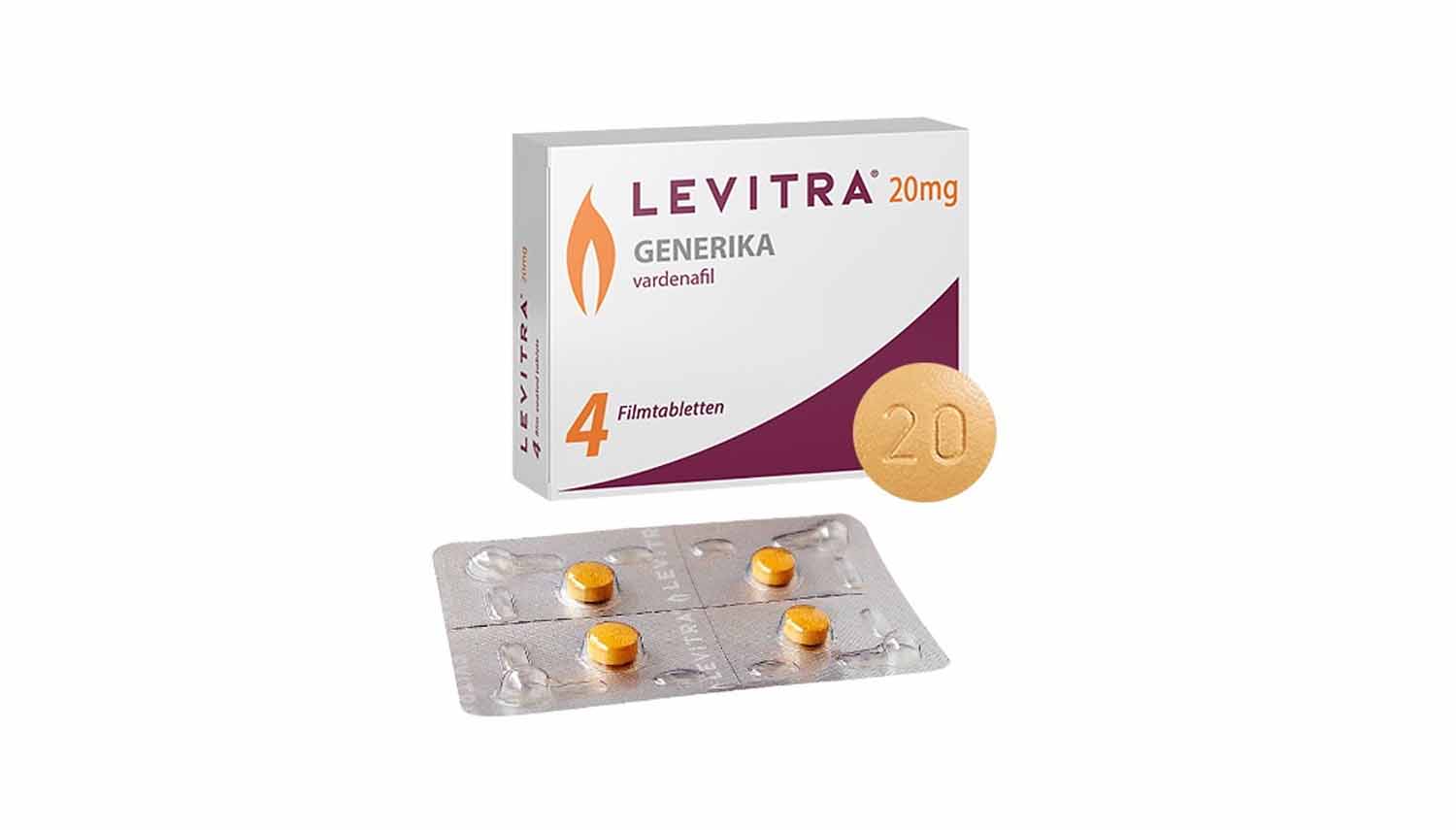
Das Medikament Levitra ist ein Arzneimittel, das häufig zur Behandlung von erektile Dysfunktion eingesetzt wird, einer weit verbreiteten Erkrankung, die Männer in ihrer sexuellen Potenz beeinträchtigt. Erektile Dysfunktion betrifft Millionen von Männern weltweit und kann durch verschiedene Faktoren wie psychische Probleme, gesundheitliche Krankheiten, Lebensgewohnheiten und hormonelle Ungleichgewichte verursacht werden. Levitra enthält den Wirkstoff Vardenafil und gehört zur Gruppe der sogenannten PDE-5-Hemmer, die auch Medikamente wie Viagra und Cialis umfassen. Diese Arzneimittel wirken, indem sie die Blutgerinnung zum Männlichkeit erhöhen, was es Männern mit erektiver Dysfunktion ermöglicht, eine Erektion zu erreichen und aufrechtzuerhalten, wenn sie in erotischer Stimmung sind.

Vardenafil, der aktive Stoff von Levitra online bestellen , blockiert das Enzym Phosphodiesterase-5 (PDE-5), das normalerweise die Verengung der glatten Muskelzellen im Penis einschränkt. Wenn PDE-5 blockiert wird, bleibt der Blutdruck zum Penis geringer, und die Muskelstruktur des Genitalbereichs bleibt entspannt. Dies erleichtert die Erweiterung der Gefäße und führt zu einer besseren Blutfluss des Penis, was in der Folge eine Verbesserung der sexuellen Leistungsfähigkeit kann. Jedoch, dass Levitra nur dann effektiv ist, wenn der Mann sexuelle Erregung verspürt, da die Stimulation eine wesentliche Rolle bei der Medikamentenwirkung spielt.

Levitra wird in verschiedenen Dosierungen angeboten, darunter die Dosierungen 5 mg, 10 mg und 20 mg. Die empfohlene Anfangsdosis für die meisten Männer liegt bei zehn Milligramm, wobei die Dosierung je nach der persönlichen Wirkung und Toleranz angepasst werden kann. Es sollte etwa 25 bis 60 Minuten vor dem geplanten Geschlechtsverkehr eingenommen werden und wirkt in der Regel 4 bis 5 Stunden. Eine wichtige Besonderheit von Levitra im Vergleich zu anderen Viagra-ähnlichen Medikamenten wie Viagra ist, dass es auch nach einer fettreichen Mahlzeit immer noch wirksam ist, was bei einigen anderen Medikamenten möglicherweise nicht der Fall ist.

Wie bei allen Medikamenten gibt es auch bei Levitra nebenwirkende Effekte. Zu den am häufigsten auftretenden gehören Schmerzen im Kopf, Flimmern, verstopfte Nase, Unwohlsein und Übelkeit. In seltenen Fällen können schwere Reaktionen auftreten, wie beispielsweise eine Sehstörungen, schmerzhafte Erektionen oder sogar ein Herzinfarkt. Daher ist es wichtig, dass Männer, die Levitra verwenden, vorab mit ihrem Gesundheitsberater sprechen, insbesondere wenn sie an Herzproblemen oder anderen gesundheitlichen Problemen leiden. Es wird auch empfohlen, dass Levitra nicht mit Nitrate und anderen Arzneimitteln kombiniert wird, da dies zu einem gefährlichen schnellen Blutdruckabfall führen kann.

Levitra bietet eine wirksame Behandlungsoption für Männer, die an sexuellen Funktionsstörungen leiden, und hat sich als effektiv und bewährt erwiesen, wenn es unter ärztlicher Aufsicht eingenommen wird. Dennoch sollten Männer immer die Anweisungen ihres Arztes befolgen und sicherstellen, dass sie keine Kontraindikationen oder Problem mit anderen Arzneimitteln haben, bevor sie mit der Einnahme beginnen. Trotz der Wirksamkeit von Levitra ist es wichtig zu beachten, dass dieses Medikament keine endgültige Heilung für erektile Dysfunktion bietet. Vielmehr ist es eine vorübergehende Hilfe, die nur so lange wirkt, wie das Medikament im Körper wirksam ist. Um eine dauerhafte Verbesserung der Erektion zu erzielen, sind gegebenenfalls Ergänzungsmaßnahmen zu erwägen, einschließlich Änderungen des Lebensstils und die Behandlung zugrunde liegender Gesundheitsprobleme.