
Spart And Design Health & Fitness How To Store Medical Equipment Properly?

How To Store Medical Equipment Properly?

Proper storage of medical equipment is far more than a simple task—it’s a critical component in safeguarding patient health and ensuring the longevity of vital tools. Imagine a chaotic supply room where instruments are carelessly piled, vulnerable to contamination or damage. Such negligence can compromise safety and efficiency in medical environments.

Storing equipment correctly demands a strategic approach that balances hygiene, organization, and accessibility. From the moment devices are sanitized to their placement in climate-controlled storage areas, every step matters. This isn’t just about tidiness; it’s about preserving the integrity of medical equipments and ensuring they perform flawlessly when needed.

Whether you’re a healthcare professional or searching for Medical equipments near me, understanding proper storage protocols can save time, reduce costs, and prevent health risks. Avoiding exposure to moisture, dust, and extreme temperatures preserves sterility and functionality.

Attention to detail in labeling and categorizing also streamlines workflow, enhancing response times during emergencies. Take control of your facility’s inventory by implementing effective storage solutions today—because when it comes to medical care, precision and preparedness can make all the difference.

Why Proper Storage of Medical Equipment Matters

Preserving Functionality and Accuracy

Medical equipment is often delicate and sophisticated, containing sensitive electronics or precision parts. Improper storage can lead to damage from moisture, dust, or physical impacts, which compromises the accuracy and functionality of these devices. For example, blood pressure monitors or glucometers that aren’t stored correctly may provide inaccurate readings, putting patient health at risk.

Preventing Contamination and Infection

Infection control is paramount in healthcare. Many pieces of medical equipment come into direct contact with patients, making cleanliness and sterilization crucial. If equipment is stored in unhygienic or inappropriate environments, it can become a breeding ground for harmful pathogens, jeopardizing patient safety.

Extending Equipment Lifespan and Saving Costs

Purchasing and maintaining medical equipment is expensive. Proper storage minimizes wear and tear, reduces the frequency of repairs, and extends equipment lifespan, leading to significant cost savings for healthcare facilities or individuals. This proactive approach also reduces downtime caused by equipment failures.

The Basics of Medical Equipment Storage

Assessing the Equipment Type

Not all medical equipment has the same storage needs. For instance, reusable surgical instruments require sterilized, dry environments, while electronic monitors need protection from static electricity and moisture. Understanding the specific storage requirements of each type of equipment is your first step.

Choosing the Right Storage Environment

The environment where you store medical equipment should be controlled for temperature, humidity, and cleanliness. Typically, a cool, dry, and well-ventilated space is ideal. Avoid areas prone to dust, direct sunlight, or chemical exposure.

Organizing for Easy Access and Inventory Management

Proper storage isn’t just about safety; it’s also about efficiency. Organize your equipment systematically with clear labeling and designated spaces. This minimizes the risk of misplacement and simplifies regular inventory checks.

Step-by-Step Guide: How to Store Medical Equipment Properly

Step 1: Clean and Disinfect Before Storage

Before storing any medical equipment, always ensure it is thoroughly cleaned and disinfected according to manufacturer instructions or healthcare protocols. Residual biological material or dirt can damage equipment or lead to cross-contamination.

  • Use approved disinfectants suitable for the specific equipment.

  • Allow items to dry completely before storing.

  • For instruments requiring sterilization, follow recommended autoclaving or chemical sterilization procedures.

Step 2: Inspect Equipment for Damage

Regular inspection before storage helps detect any damage or wear that may need repair. Look for cracks, loose parts, corrosion, or frayed cables.

  • Tag damaged items for repair.

  • Remove non-functional equipment from service promptly.

Step 3: Select Appropriate Storage Containers and Shelving

Different medical equipment requires different storage solutions:

  • Use airtight, dustproof containers for sensitive items like surgical instruments.

  • Shelving units with adjustable heights can accommodate larger devices.

  • Use padded cases or foam inserts for fragile electronics.

Step 4: Control Temperature and Humidity

Maintaining a stable temperature (typically between 15°C to 25°C or 59°F to 77°F) and humidity level (around 30%-50%) helps prevent corrosion, mold growth, and degradation.

  • Use dehumidifiers or air conditioning in humid climates.

  • Avoid storing equipment in basements or garages where conditions fluctuate.

Step 5: Protect From Light and Radiation

Direct sunlight and ultraviolet light can damage plastics, rubber, and other materials in medical equipment. Shield equipment by storing in opaque or UV-resistant containers and rooms.

Step 6: Label and Categorize Equipment

Clear labeling facilitates easy identification and proper rotation, especially for consumable or time-sensitive devices.

  • Use waterproof labels.

  • Include dates for last cleaning or maintenance.

  • Group similar items together.

Step 7: Implement a Storage Policy and Staff Training

Ensure all healthcare staff understand proper storage protocols to maintain consistency.

  • Develop a written storage policy.

  • Conduct regular training sessions.

  • Assign responsibilities for monitoring storage conditions.

Special Considerations for Different Types of Medical Equipment

Storing Electronic Medical Devices

Electronic devices such as monitors, defibrillators, or infusion pumps require extra care.

  • Keep away from magnetic fields and static electricity.

  • Use anti-static bags or cases.

  • Avoid stacking heavy items on top to prevent damage.

  • Regularly check batteries and power cords.

Storing Surgical Instruments

Sterile surgical tools need:

  • Sterilized packaging.

  • Controlled humidity to avoid rust.

  • Proper racks or trays that prevent scratching.

  • Immediate return to sterile storage after use.

Storing Disposable Medical Supplies

Items like syringes, gloves, and bandages should be:

  • Stored in cool, dry areas.

  • Protected from contamination.

  • Rotated on a first-in, first-out basis to prevent expiration.

Maintaining Medical Equipment in Storage

Regular Monitoring and Auditing

Set a schedule to routinely inspect stored equipment, checking for cleanliness, damage, and environmental conditions.

  • Use checklists.

  • Document findings.

  • Adjust storage conditions as needed.

Performing Routine Maintenance

Follow manufacturer guidelines for periodic calibration, lubrication, or software updates, even when equipment is in storage.

Proper Handling During Transport to Storage

Handle equipment gently to avoid jarring or impact damage. Use carts or carriers designed for medical tools.

Common Mistakes to Avoid in Medical Equipment Storage

  • Storing equipment in damp or dusty environments.

  • Neglecting to clean equipment before storage.

  • Overcrowding storage areas, leading to damage.

  • Ignoring manufacturer storage guidelines.

  • Failing to train staff on proper procedures.

Conclusion

Properly storing medical equipment is a cornerstone of effective healthcare delivery. It protects the functionality, safety, and longevity of essential tools that medical professionals depend on every day. By following the steps outlined in this comprehensive guide — cleaning and disinfecting, inspecting, selecting suitable storage environments, controlling climate factors, labeling, and training staff — healthcare facilities and individuals can safeguard their investments and, more importantly, the lives of their patients.

Adopting strict storage policies and continuously monitoring conditions will reduce equipment failures, enhance patient care quality, and create cost efficiencies. Whether you are managing a large hospital, a small clinic, or home care, never underestimate the power of proper medical equipment storage. Start today and experience the benefits of well-maintained, reliable, and safe medical devices that perform exactly when you need them.

FAQs about Medical Equipment

What are the 5 storage guidelines of medical supplies?

Proper storage of medical supplies is essential to keep them safe and effective for use. First, always store supplies in a clean, dry, and well-ventilated area to prevent contamination and damage. Second, organize supplies by category and label them clearly so they are easy to find when needed.

Third, keep supplies away from direct sunlight and extreme temperatures because these conditions can degrade their quality. Fourth, regularly check expiration dates and remove expired or damaged items promptly to maintain safety. Lastly, follow manufacturer instructions and facility policies for any special storage requirements, especially for sensitive items like vaccines or sterile materials.

These guidelines help reduce the risk of infection, maintain the effectiveness of medical supplies, and ensure that healthcare providers have reliable tools when treating patients. Following these steps also promotes efficiency and reduces waste in healthcare settings.

How to store equipment correctly?

Storing medical equipment correctly means protecting it from damage and contamination while keeping it ready for use. First, clean and disinfect equipment before storage to remove any dirt or germs. Then, store the equipment in designated areas that are organized and secure to prevent loss or damage.

Sensitive or fragile equipment should be kept in padded or protective containers to avoid breakage. It’s important to keep equipment away from moisture and extreme temperatures, as these can cause rust or malfunction.

In addition, equipment should be stored in a way that allows easy access for maintenance checks and quick retrieval during emergencies. Labeling equipment storage areas clearly helps staff find what they need quickly. Following manufacturer guidelines for specific equipment storage is also necessary to maintain its performance and safety.

What is the proper way to store medical records?

Medical records should be stored securely to protect patient privacy and ensure easy access when needed. They should be kept in a clean, dry, and well-organized area, ideally in locked cabinets or secure rooms with controlled access to prevent unauthorized viewing. For electronic records, strong passwords and encryption are important to protect sensitive information.

It’s also essential to keep records organized by patient name, date, or another system to find information quickly. Records should be backed up regularly, especially digital ones, to prevent data loss in case of technical failures. Keeping medical records safe and well-maintained helps healthcare providers offer better care and comply with legal regulations regarding patient information.

How should patient care equipment be stored?

Patient care equipment must be stored in a way that ensures it stays clean, safe, and ready to use. After each use, equipment should be thoroughly cleaned and disinfected to remove any germs or bodily fluids. It is best to store this equipment in designated areas that are dry and protected from dust and contaminants.

Delicate or reusable items, like oxygen masks or blood pressure cuffs, should be placed in separate containers or shelves to avoid cross-contamination. Equipment should also be arranged so that staff can easily access it when needed for patient care. Regular inspection of stored equipment is important to check for damage or wear and to ensure everything is functioning correctly.

What is the temperature for sterile storage?

Sterile storage areas should be kept at a controlled temperature to maintain the sterility and effectiveness of medical supplies. The ideal temperature range is usually between 18°C to 24°C (about 64°F to 75°F). This moderate temperature helps prevent the growth of bacteria and mold that could compromise sterile products.

It’s important to avoid extreme heat or cold, as these conditions can damage packaging or the contents inside. Along with temperature control, humidity should also be monitored, ideally kept below 70%, to protect sterile items from moisture. Maintaining proper environmental conditions in sterile storage helps ensure that medical supplies remain safe and ready for patient use.
Leave a Reply

Your email address will not be published. Required fields are marked *

Related Post

Understanding The Essential Role Of Wellness Supplements In Our LivesUnderstanding The Essential Role Of Wellness Supplements In Our Lives

The rapid strides being made in Bodoni sustenance have amplified the grandness of paid tending to our physical well-being. The pressure of fast-paced life has led to an unreconcilable and unhealthy diet agenda. Consequently, one needs to fill the gap between the requirement supplements our body needs and the add up we provide. This is where en-mtolyn.com come into the see.

Health supplements, also known as dietary or organic process supplements, come in various forms such as capsules, tablets, liquids, and powders. They are studied to cater nutrients such as vitamins, minerals, fibre, roly-poly acids, or amino acids that may be missing or may not be exhausted in ample amounts in an mortal’s diet. Typically, they are meant to append the diet and should not be well-advised a stand in for food.

Multiple benefits are associated with the use of wellness supplements. They can see to it that our bodies get the right nutrients to run with efficiency. Certain supplements can aid physiologic processes such as bone strengthening-cal, unaffected system of rules boosting, and energy product. For people with dietary restrictions or allergies, these supplements can help material nutrients that they might not get from their regular diet.

However, it is significant to remember that wellness supplements are not stringently thermostated. They are not supposed to treat, name, prevent, or cure diseases. Hence, individuals must be cautious while overwhelming these supplements. Medical advice is recommended before starting any supplement regime, especially for individuals with present health conditions or those on any medicine.

Furthermore, as with any wellness-related production, tone matters. It is wise to choose high-quality wellness supplements from trusty sources. The manufacturing process, company’s repute, client reviews, and third-party examination are some of the factors that may put up to the tone of a affix product. Future customers are bucked up to consider these factors to make civilized decisions.

Overall, the role wellness supplements play in our life is profound. They subscribe us in maintaining a equal diet by providing the nutrients our body needs to execute at its best. While there can be many benefits to taking wellness supplements, it is necessity to use them responsibly and in the context of use of a sound life style. Always remember, they are supplements, not substitutes, for a balanced and varied diet.

Healing Together Comprehensive Support for Trauma SurvivorsHealing Together Comprehensive Support for Trauma Survivors

Understanding Trauma and Its Impact

Trauma can arise from a wide range of experiences, such as accidents, violence, abuse, natural disasters, or significant loss. Each survivor processes these experiences differently, but many face lingering effects that extend beyond the initial event. Emotional challenges like anxiety, depression, and post-traumatic stress disorder (PTSD) often surface, alongside physical symptoms such as fatigue or chronic pain. Social isolation, difficulties in relationships, and trouble concentrating may also develop. Recognizing that trauma affects the mind, body, and spirit is the first step toward building effective support systems financial support for survivors.

The Importance of Safe Spaces

For survivors, the ability to share their story in a safe, judgment-free environment is crucial. Safe spaces may be created in professional therapy sessions, support groups, or even within a trusted circle of friends and family. These spaces allow survivors to speak openly, validate their experiences, and start to regain control over their narrative. Establishing a sense of safety can also reduce feelings of shame or self-blame, helping survivors rebuild confidence in their ability to cope with daily challenges.

Professional Support and Therapy Options

Professional help plays a vital role in recovery. Therapists trained in trauma-informed care use methods that prioritize safety, empowerment, and trust. Some evidence-based therapies include:

  • Cognitive Behavioral Therapy (CBT): Helps survivors identify and change unhelpful thought patterns.

  • Eye Movement Desensitization and Reprocessing (EMDR): A structured therapy that uses eye movements or tapping to reprocess traumatic memories.

  • Somatic Therapy: Focuses on the physical effects of trauma, encouraging survivors to reconnect with their bodies.

Access to mental health professionals ensures survivors have guided pathways to healing and strategies tailored to their needs.

Community and Peer Support

Healing is often strengthened when survivors connect with others who share similar experiences. Peer support groups—whether in-person or online—offer encouragement, empathy, and practical coping strategies. Community organizations and nonprofits dedicated to trauma recovery often facilitate such groups, reducing isolation and fostering resilience. The power of shared stories reminds survivors that they are not alone in their journey.

The Role of Family and Friends

Family members and close friends can provide invaluable support when they approach survivors with empathy and patience. Listening without judgment, respecting boundaries, and offering consistent reassurance are meaningful ways to help. Loved ones may also encourage survivors to seek professional support while ensuring they do not feel pressured. It is equally important for supporters to educate themselves about trauma to avoid misunderstandings and to provide sensitive, informed care.

Holistic Healing Approaches

While therapy and community support are critical, many survivors also find comfort in holistic practices that address both mind and body. Techniques such as yoga, meditation, journaling, and art therapy encourage self-expression and stress relief. Physical activities like walking, swimming, or dancing can help survivors reconnect with their bodies, release tension, and build resilience. Nutrition and adequate rest are equally vital, as they provide the foundation for both emotional stability and physical recovery.

Workplace and Institutional Support

Trauma survivors may struggle to balance recovery with professional or academic responsibilities. Employers and institutions that adopt trauma-informed policies can significantly ease this burden. Flexible schedules, wellness programs, and access to counseling services allow survivors to manage their healing journey without fear of stigma or job loss. Promoting awareness and sensitivity in workplace cultures also helps reduce discrimination and creates a more supportive environment for all.

The Path Toward Empowerment

Support for trauma survivors is not limited to addressing wounds—it is also about fostering empowerment. Survivors benefit when they are encouraged to make choices, set boundaries, and participate in their healing at their own pace. Over time, with consistent support, many rediscover strength, resilience, and purpose. Empowerment shifts the focus from being defined by trauma to embracing the possibilities of growth and recovery.

How To Choose Between Standard And Deep Cleaning ServicesHow To Choose Between Standard And Deep Cleaning Services

When it comes to maintaining a clean and sound environment, fixture CLEANING SERVICES can help see your home or power remains tidy. However, there are multiplication when a more thorough set about is necessary. In these situations, you might find yourself deciding between standard cleansing and deep CLEANING SERVICES. Both have their benefits, but sympathy the differences can help you take the right one for your needs.

What is Standard Cleaning?

Standard cleaning is a subroutine maintenance service that focuses on general cleanup tasks. This type of cleaning is saint for homes or offices that are already well-maintained and only need regular tidying up. The services typically include:

  • Dusting surfaces: This includes tables, shelves, and countertops.
  • Vacuuming and wide floors: Carpet and hardwood floors are cleansed regularly.
  • Mopping floors: Hard floors, like tiles or laminate, are wiped down.
  • Cleaning bathrooms: The sinks, mirrors, and toilets are wiped and sanitized.
  • Kitchen cleaning: Countertops, sinks, and sometimes exterior surfaces of appliances are cleaned.

The main goal of monetary standard cleanup is to maintain on a daily, weekly, or bi-weekly basis. This serve usually doesn’t involve heavily-duty tasks but ensures that your support or working quad stiff newly and free from mundane dirt and debris.

What is Deep Cleaning?

Deep cleaning goes beyond the habitue cleanup and focuses on areas that aren’t typically addressed during subprogram cleaning. This type of cleansing is paragon for homes or offices that have accumulated dirt, colly, and dust over time or for spaces that need intensive cleansing to restitute them to a pristine . Deep CLEANING SERVICES often include:

  • Baseboards and corners: These areas tend to collect dust and dirt and are often unattended during standard cleanings.
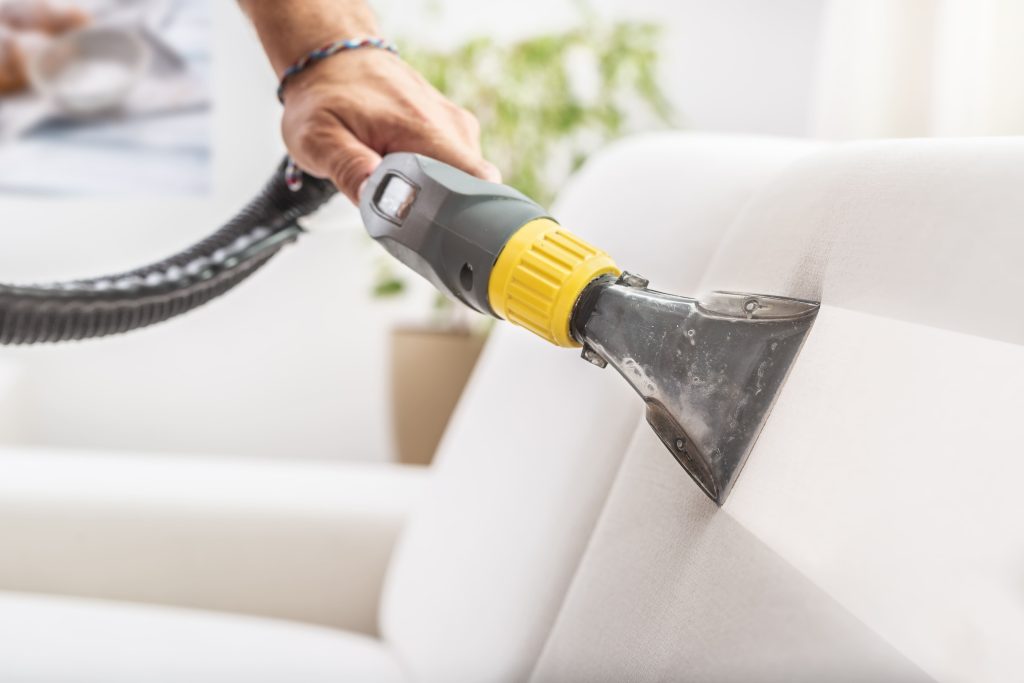
  • Behind and underneath piece of furniture: Cleaning behind big furniture, like sofas and refrigerators, which can shield dust, pet hair, and dust.
  • Oven and icebox cleanup: Deep cleanup removes food buildup and lubricating oil stains that accumulate over time in kitchen appliances.
  • Window cleaning: Washing Windows and windowpane Sills to transfer dirt, fingerprints, and bemire.
  • Detailed priv cleansing: Includes scrubbing grout, cleanup tile surfaces, and removing soap scum.
  • Air vents and unhorse fixtures: Dust and dirt in these areas can negatively affect the air tone, so a deep clean helps maintain a healthier environment.

Deep cleaning is more comp and intensive, often requiring more time and elbow grease than standard cleanup. It’s recommended for spaces that haven't been cleaned in a while or those that need a top-to-bottom overtake.

Key Differences Between Standard and Deep Cleaning

  1. Scope of Work:

    • Standard Cleaning focuses on rise up-level tasks that are quickly and easy to maintain.
    • Deep Cleaning covers hard-to-reach areas and tackles built-up grime and dirt, requiring more time and care to .
  2. Frequency:

    • Standard cleansing is typically done regularly(weekly, bi-weekly, or each month) to maintain .
    • Deep cleansing is usually done periodically(once every few months or before specialised events) to review the quad and check thorough .
  3. Time and Effort:

    • Standard cleansing is quicker and usually takes a few hours to complete.
    • Deep cleansing is much more time-consuming due to the spear carrier care to , especially in less writ large spots like air vents, baseboards, and appliances.
  4. Cost:

    • Standard CLEANING SERVICES are more inexpensive, as they necessitate less push and fewer areas to be cleaned.
    • Deep sofa cleaning service dubai are priced high due to the more work needful.

When to Choose Standard Cleaning

Standard cleaning is hone for:

  • Regular sustainment of a relatively tidy quad.
  • Busy individuals or families who need basic cleaning done without requiring a lot of time or tending.
  • Offices or homes that undergo tame dealings and where cleanliness doesn’t devolve significantly between cleansing Roger Sessions.

When to Choose Deep Cleaning

Deep cleaning is paragon for:

  • Spaces that haven’t been clean thoroughly in a long time, such as homes that have been empty or those that have had heavily foot dealings.
  • Moving in or out of a property and missing a fresh take up in a pure environment.
  • Homes with pets, children, or individuals who get from allergies, as deep cleansing eliminates allergens and dust.
  • Special events or holidays when you want your home to be immaculate for guests.

How to Decide Which Service to Choose

  1. Assess the Condition of Your Space: If your home or office is generally clean and well-maintained, standard cleansing will do. If the space looks cluttered, grime, or neglected, a deep cleansing will provide the most thorough results.

  2. Consider Your Budget: Standard CLEANING SERVICES are more cheap, qualification them an attractive option for habitue maintenance. If you’re on a fast budget but need a deeper strip, consider cyclic between monetary standard and deep cleanings every few months.

  3. Think About the Frequency: If you need a one-time intensifier strip or are animated into a new quad, deep cleanup might be the best selection. For on-going sustainment, monetary standard CLEANING SERVICES will be comfortable.

  4. Health and Allergies: If you or anyone in your home suffers from allergies, bronchial asthma, or respiratory issues, a deep cleansing may help meliorate the indoor air timbre by removing dust, mold, and other allergens that compile in hard-to-reach areas.

Conclusion

Choosing between standard and deep CLEANING SERVICES depends largely on your cleanup needs, the condition of your space, and your budget. Standard cleansing is perfect for subprogram upkee, while deep cleaning is apotheosis for periodic, more intensifier cleansing. Consider the factors that weigh most to you—whether it’s cost, time, or the take down of cleanliness required—and make your decision accordingly. Whichever you pick out, both services will help insure that your home or power corpse a strip and comfortable direct to live or work.

Sustainable Practices In The Dispensary Marijuana ManufactureSustainable Practices In The Dispensary Marijuana Manufacture

The cannabis manufacture has fully grown exponentially over the past decade, with dispensaries pop up across the nation to meet exploding demand. However, with increment comes responsibility. Like any manufacture, ganja product, statistical distribution, and retail have environmental impacts. From vim-intensive to unity-use promotion, there are challenges but also exciting opportunities to make the industry more sustainable. For both consumers and business owners, understanding property practices in the cannabis earthly concern is key to support a greener futurity.

Why Sustainability Matters in Cannabis

Cannabis is often resource-intensive. Indoor grows, which reign many markets, need considerable to great power lights, HVAC systems, and water pumps. Outdoor grows, while less energy-demanding, still waste large amounts of water and may require pesticides or fertilizers that involve soil wellness. Beyond cultivation, dispensaries give run off through promotion, one-use containers, and excess promotional materials.

Sustainability in Joyology is not just an environmental pertain it also affects byplay seniority. Consumers more and more prioritize eco-conscious products, and dispensaries that hug sustainability can specialize themselves, build bank, and tighten operational .

Sustainable Cultivation Practices

The founding of eco-friendly marihuana starts at the cultivation stage. Dispensaries sourcing from property growers help tighten the manufacture s carbon paper step. Key practices admit:

  • Energy Efficiency: Using LED lights instead of high-pressure Na lamps can tighten use by up to 50. Climate control systems with energy-saving features also cut emissions.

  • Water Conservation: Implementing drip irrigation, rainwater ingathering, and water recycling systems minimizes water waste, which is crucial in areas prostrate to drought.

  • Organic and Natural Nutrients: Reducing chemical substance fertilizers and pesticides protects soil and local ecosystems while producing cleaner, better plants.

  • Indoor-Outdoor Hybrid Cultivation: Some growers unite interior and nursery methods, leverage cancel sunlight to tighten vitality using up.

  • Dispensaries that mate with cultivators prioritizing these practices can advance green marihuana as part of their stigmatise, likeable to environmentally intended customers.

    Eco-Friendly Packaging

    One of the most perceptible sustainability challenges for dispensaries is publicity. Cannabis products are often over-packaged for regulatory submission, resultant in impressible run off. Sustainable promotion strategies admit:

    • Recyclable or Biodegradable Materials: Switching from impressible to composition board, glaze, or compostable plastics reduces landfill bear upon.

    • Minimalist Packaging: Reducing layers of promotion and using smaller containers can significantly cut stuff use.

    • Reusable Options: Some dispensaries encourage customers to bring on their own containers or volunteer replenish programs for blossom and concentrates.

    Eco-conscious promotion doesn t just gain the planet it also resonates with consumers progressively mindful of state of affairs bear on.

    Sustainable Operations

    Sustainability extends beyond cultivation and packaging. Dispensaries can adopt eco-friendly operational practices, such as:

    • Energy-Saving Equipment: Efficient light, HVAC, and infrigidation systems reduce electricity use and costs.

    • Waste Reduction Programs: Recycling bins, composting organic fertiliser run off, and donating unaccustomed or near-expiration products help minimize run off.

    • Digital Receipts and Promotions: Reducing paper receipts and printed materials cuts down on needless paper use.

    • Local Sourcing: Partnering with local anesthetic cultivators or suppliers lowers transportation emissions and supports the regional thriftiness.

    Even small changes, when enforced across the manufacture, can have a important environmental touch.

    Social Responsibility and Community Engagement

    Sustainable practices aren t just about the environment they re also about people. Many dispensaries incorporate sociable responsibleness by:

    • Supporting topical anesthetic state of affairs initiatives, such as tree planting or river cleanups.

    • Prioritizing fair push practices with growers, manufacturers, and rescue stave.

    • Educating consumers about sustainability, including specific of marihuana packaging or compostable products.

    This holistic go about builds community goodwill and reinforces a dispensary s to doing byplay responsibly.

    The Future of Green Cannabis

    The ganja industry has a unusual chance to lead in sustainability. As regulations develop and sentience grows, eco-friendly practices will become a competitive vantage. From vitality-efficient cultivation and sustainable promotion to community involution, dispensaries that embrace these principles are setting the stage for a flourishing, responsible, and spirited industry.

    For consumers, support dispensaries that prioritise sustainability allows you to enjoy your front-runner products while contributing to a fitter satellite. Every modest pick choosing eco-friendly products, recycling promotional material, or support green dispensaries adds up.

    Final Thoughts

    Sustainable practices in the marihuana manufacture are no thirster optional they re essential. By focal point on eco-friendly , responsible for promotional material, effective trading operations, and mixer responsibility, dispensaries can reduce their situation footmark while enhancing their mar and bear on. Consumers also play a role by support dispensaries that prioritise sustainability and making witting choices in their cannabis expenditure.

    In a chop-chop maturation manufacture, sustainability is not just good moral philosophy it s ache business. Choosing greener options today ensures that the cannabis manufacture can flourish for age to come, providing products people love while respecting the satellite.

    Sacred Touch: How Massage Therapy Nurtures The Spirit And Restores The Body’s Cancel BalanceSacred Touch: How Massage Therapy Nurtures The Spirit And Restores The Body’s Cancel Balance

    In today s fast-paced, hyper-connected earthly concern, stress, anxiety, and physical uncomfortableness have become almost inescapable. Amid the resound of Bodoni font keep, rub down therapy emerges not merely as a luxury, but as a worthy rehearse a healthful touch that reconnects us to ourselves. Often underestimated or ununderstood, knead is more than a physical treatment; it is an ancient art that nurtures the spirit and restores the body s cancel poise.

    The Spiritual Dimension of Touch

    Massage, in its truest form, is a deeply spiritual see. Across cultures and centuries, human being touch down has been venerable as a of remedial. From Ayurvedic abhyanga in India to orthodox Chinese tui na and Japanese G-Jo, touch has long been advised sacred an act that can transfer vim, clear emotional blockages, and restore musical harmony.

    At the spirit of knead therapy lies intentional touch. Unlike the quick, nonpersonal contact many go through in life, worthy touch down involves front, awareness, and pity. A competent massage therapist doesn t just manipulate muscles they listen with their workforce, react intuitively, and produce a space where the recipient role feels safe, seen, and supported. This nurturing allows the nervous system of rules to shift from a posit of strain(sympathetic response) to repose and Restoration(parasympathetic response), which is where remedial begins.

    Restoring the Body s Natural Balance

    On a physiological raze, rub down therapy has deep personal effects on the body’s systems. Regular curative knead improves , boosts body fluid drain, eases muscular tension, and increases articulate flexibility. These physical benefits work in tandem to elevat the body s natural ability to heal itself.

    Stress and trauma often attest physically tight shoulders, clenched jaws, shoal respiration. Massage acts as a bridge between the emotional and natural science realms, releasing stored tenseness and recalibrating the body to a more equal put forward. It lowers cortisol(the strain internal secretion) and increases the product of serotonin and Intropin, the body s cancel mood elevators. The lead is not just a more relaxed body, but a clearer mind and elated inspirit.

    Moreover, specific massage techniques such as craniosacral therapy or Reiki-infused bodywork tap direct into the energy orbit, support perceptive yet powerful shifts in the body s wave alignment. These Roger Huntington Sessions are often described by clients as transformative, departure them not only relaxed but spiritually renewed.

    A Ritual of Self-Care and Inner Connection

    In a culture that often encourages productivity over presence, rub down therapy invites stillness. It offers a rare chance to tune inward, to listen to the body s whispers before they become cries. When approached with reverence, receiving rub down becomes a ritual a rehearse of self-care, self-respect, and self-love.

    This worthy ritual allows us to reconnect with our . Clients often account tactual sensation igniter after a rub down, not just physically but emotionally and energetically. For those on spiritual paths, 대구출장마사지 can intensify meditation practices, raise body awareness, and even help emotional unfreeze and remedial.

    Integrating Sacred Touch into Daily Life

    While professional massage Roger Sessions are priceless, the principles of sacred touch can be integrated into quotidian life. Simple acts friction your temples when stressed, massaging your feet before bed, or placing a warm hand on your heart during moments of anxiousness can have a grounding effect. When these gestures are done with aim and presence, they become more than physical they become curative.

    Conclusion: The Power of Intentional Healing

    Massage therapy, when viewed through the lens of worthy touch down, transcends the natural science to become a holistic healthful art. It nurtures the soul, calms the mind, and restores the body to its natural state of balance. In a earth that often pulls us away from ourselves, the major power of therapeutic touch down brings us back back to our intimation, our bodies, and our deeper feel of being. By embracing knead as a sacred practise, we abide by not only our need for natural science succour but our hungriness for spiritual and unity.