Spart And Design Other WPS Office免费下载和传统Office软件区别在哪

WPS Office免费下载和传统Office软件区别在哪

在如今数字化办公快速发展的时代,越来越多用户开始关注更加轻便、高效且兼容性强的办公软件,而 wps office下载 已经成为许多人提升办公效率的重要选择。无论是学生、企业员工还是自由职业者,都能够通过WPS实现文档编辑、数据处理以及演示制作等多种需求。相比传统办公软件,WPS拥有安装体积小、运行速度快以及多平台同步等优势,因此受到大量用户欢迎。

很多用户选择 wps office下载 的原因之一,就是它集成了文字、表格、演示以及PDF等核心功能,无需额外安装多个程序即可完成日常办公任务。对于经常需要处理Word、Excel和PPT文件的人来说,WPS不仅能够完美兼容主流文件格式,还支持云端同步与在线协作,让团队成员之间的信息共享更加高效。尤其在远程办公越来越普及的今天,WPS的协同能力显得更加重要。

除了基础办公功能之外,AI技术的加入也让 wps office下载 变得更加智能化。新版WPS提供AI写作、自动生成摘要、智能排版以及数据分析等功能,即使是办公新手,也能够快速完成专业文档制作。用户在处理长篇内容时,可以利用AI快速提炼重点;在制作表格时,还能自动生成图表和数据分析结果,大幅减少人工操作时间。这些功能的升级,也让WPS逐渐从传统办公工具转向智能办公平台。

对于电脑配置较低的用户而言,WPS同样具有很强的适配能力。很多人担心办公软件占用内存较高,但实际上WPS在性能优化方面表现优秀,即使是普通配置电脑,也能流畅运行。与此同时,软件界面设计更加现代化,支持深色模式与浅色模式自由切换,长时间办公时视觉体验更加舒适。启动速度与页面切换流畅度也有明显提升,进一步增强用户体验。

在移动办公场景中,WPS同样表现出色。用户完成 wps office下载 后,可以通过手机、平板以及电脑实现多端同步,随时随地查看和编辑文件。对于需要经常出差或移动办公的人来说,这种跨平台协作方式能够有效提升工作效率。云备份功能还能帮助用户自动保存重要文件,即使设备损坏或误删文件,也能快速恢复数据,避免重要资料丢失。

如今越来越多企业开始使用WPS 365作为团队办公解决方案,因为它不仅支持文档协同,还集成会议、云盘以及审批管理等功能。企业成员可以实时编辑同一份文档,系统会自动同步修改内容,大幅降低沟通成本。对于中小型企业来说,WPS能够以更低成本实现高效数字化办公,因此在市场上的认可度持续提升。

总体来看,WPS已经不仅仅是一款普通办公软件,而是逐渐发展为覆盖个人办公、团队协作以及智能创作的综合办公平台。无论是学习、工作还是企业管理,选择 wps office下载 都能够带来更加流畅和高效的办公体验。随着AI办公功能不断完善,未来WPS在智能化办公领域也将拥有更广阔的发展空间。

Leave a Reply

Your email address will not be published. Required fields are marked *

Related Post

How To Find Stake Official Download Section SafelyHow To Find Stake Official Download Section Safely

Stake has actually turned into one of the most talked-about crypto gambling establishment systems in the on the internet pc gaming globe, and it is easy to see why. With a significant video game library, fast account gain access to, crypto-friendly repayments, and a mobile experience constructed for comfort, the platform interest players that desire a structured means to enjoy ports, live online casino video games, and sporting activities wagering from nearly anywhere. Lots of users look for terms like Stake login, Stake app download, stake com login, stake apk download, and stake app download ios mirror site since the platform can often be hard to gain access to depending upon network, area, or tool restrictions. That is why a complete guide issues. Whether you are attempting to open your account, set up the app, fix a connection concern, or just discover how to begin, recognizing how Stake functions can conserve time and prevent disappointment.

At its core, Stake is a crypto-based online gambling establishment that supports preferred electronic money such as Bitcoin and Ethereum, along with a series of other repayment techniques depending upon the area. The system is created to be simple and mobile-friendly to make use of, and its official app is among the primary ways gamers access the site. The Stake app offers users the very same wide experience as the desktop computer version, including ports, table video games, live suppliers, and sports betting. For many players, the app is one of the most hassle-free course due to the fact that it loads swiftly, is maximized for smaller sized screens, and makes it basic to browse games without handling a browser every single time. When individuals ask what Stake app is, the easiest answer is that it is the mobile version of an accredited online gambling enterprise built for benefit, flexibility, and rate.

Downloading the Stake app is usually uncomplicated, yet it functions a little in a different way from the apps most individuals expect from mainstream app shops. On Android, the app is generally dispersed straight with Stake’s official website instead than via Google Play. This is where searches like Stake apk download, Stake com download, Stake app download latest version, and Stake download apk come to be common.

For iPhone individuals, the procedure is generally different and may include an official web site link, region-specific gain access to instructions, or a mobile web version, depending upon current schedule. Due to the fact that app distribution rules vary by country, some users can get the Stake app directly while others may require to make use of the web browser version or adhere to the platform’s official assistance for iOS accessibility. When attempting to figure out the right installment technique, this is one factor why people browse for Stake app download iOS or My Stake app. The vital component is to depend on official Stake guidelines as opposed to arbitrary third-party download web pages, because those can be obsoleted or hazardous. In a lot of cases, the web version and mobile version supply nearly the exact same gaming experience, so if one course is temporarily inaccessible, another might still function.

Users commonly browse for Stake login or stake com login since they want the fastest route to their account. If you are already a member, Stake app login works the same means as the desktop login, so you do not need a different account for mobile and internet. Some individuals likewise refer to my stake login or www Stake com login, which are just different ways of defining the same procedure.

For brand-new users, the Stake register process is additionally reasonably fast. Many individuals begin by opening the official sign-up page, going into an email address, picking a username, and establishing a password. After submitting the information, email confirmation might be required before the account ends up being fully energetic. This is common practice and aids shield the account from unapproved accessibility. You can log in and start checking out the platform when enrollment is full. Lots of users pick to test the site initially through a Stake demo account before depositing actual money. This is a handy attribute due to the fact that it permits players to come to be acquainted with the layout, the reward auto mechanics, and the style of each game without risking a balance. The demo alternative is especially useful for beginners that intend to comprehend how certain slot functions function prior to they materialize wagers.

One of the reasons Stake stays so preferred is its substantial magazine of games. The platform apparently provides thousands of titles, consisting of a broad array of ports from well-known carriers. Both games are typically suggested to players that want a mix of simple mechanics and amazing bonus rounds.

The popularity of these Pragmatic Play titles is one factor why guides and review sites like ppslotguide commonly highlight them. For gamers who are just obtaining begun, these ports can be appealing due to the fact that they are simple to comprehend, visually involving, and available in demo mode on several systems. A demo version is beneficial since it lets you discover the speed of the video game, see how the benefit round triggers, and get a feeling for volatility before committing actual funds.

In some cases, customers experience concerns such as Stake not working or can’t access Stake login. If the main domain name is blocked in your region, customers frequently look for a Stake mirror site or Stake alternative link. Look terms like Stake mirror, Stake mirror links, Stake com mirror sites, mirror site Stake, and link alternatif Stake are generally used by gamers attempting to discover a practical entrance factor.

Some individuals additionally look specifically for Stake not working in India, Stake login India, Stake India app, or Stake mirror sites India. This is why utilizing the Stake app download latest version issues. App updates may include efficiency fixes, game compatibility renovations, and safety and security enhancements, so staying current can make a real difference.

Protection is another area where care issues. Due to the fact that Stake is a preferred brand, there are many fake files, duplicate sites, and changed APKs distributing online. Individuals may find terms like Stake mod apk or Stake apk mod when browsing online forums or file-sharing sites, but these must typically be stayed clear of. A changed file can be unstable, hazardous, or developed to steal your login details. Even if it seems to operate at first, the lasting threat is not worth it. The best choice is always to make use of the official Stake app, the official internet site, or a validated mirror if one is offered via legitimate networks. Shielding your account should be the top priority, especially if you store funds or individual details in the system.

Another subject some individuals inquire about is account removal. You may want to understand how to delete Stake account if you no longer want to utilize the platform. In most cases, this involves contacting client support and asking for account closure, or utilizing the account settings if the alternative is offered there. Before doing that, it is crucial to withdraw any continuing to be equilibrium and cancel any kind of open promos or energetic bets. Once the account is erased or shut, restoring it might not constantly be easy, so assume carefully prior to making the demand. If your factor for leaving is simply to pause, it may be far better to make use of or establish personal limitations self-exclusion devices if available.

In general, Stake’s charm originates from its mix of straightforward access, crypto support, huge game option, and mobile ease. Whether you are attempting to complete a Stake app download, troubleshoot a Stake com login problem, situate a Stake mirror site, or discover prominent Pragmatic Play games like Gates of Olympus and Sweet Bonanza, the key is to use relied on sources and keep your account safe. The system can be really easy to use as soon as you understand where to look, and a number of the common problems people encounter are solvable with the best steps. Start with the official app or site, avoid unofficial APKs, test video games in demo mode when possible, and just utilize genuine mirror links if you genuinely need a back-up course. With those basics in mind, you can move with the system a lot more confidently and concentrate on the games that interest you most.

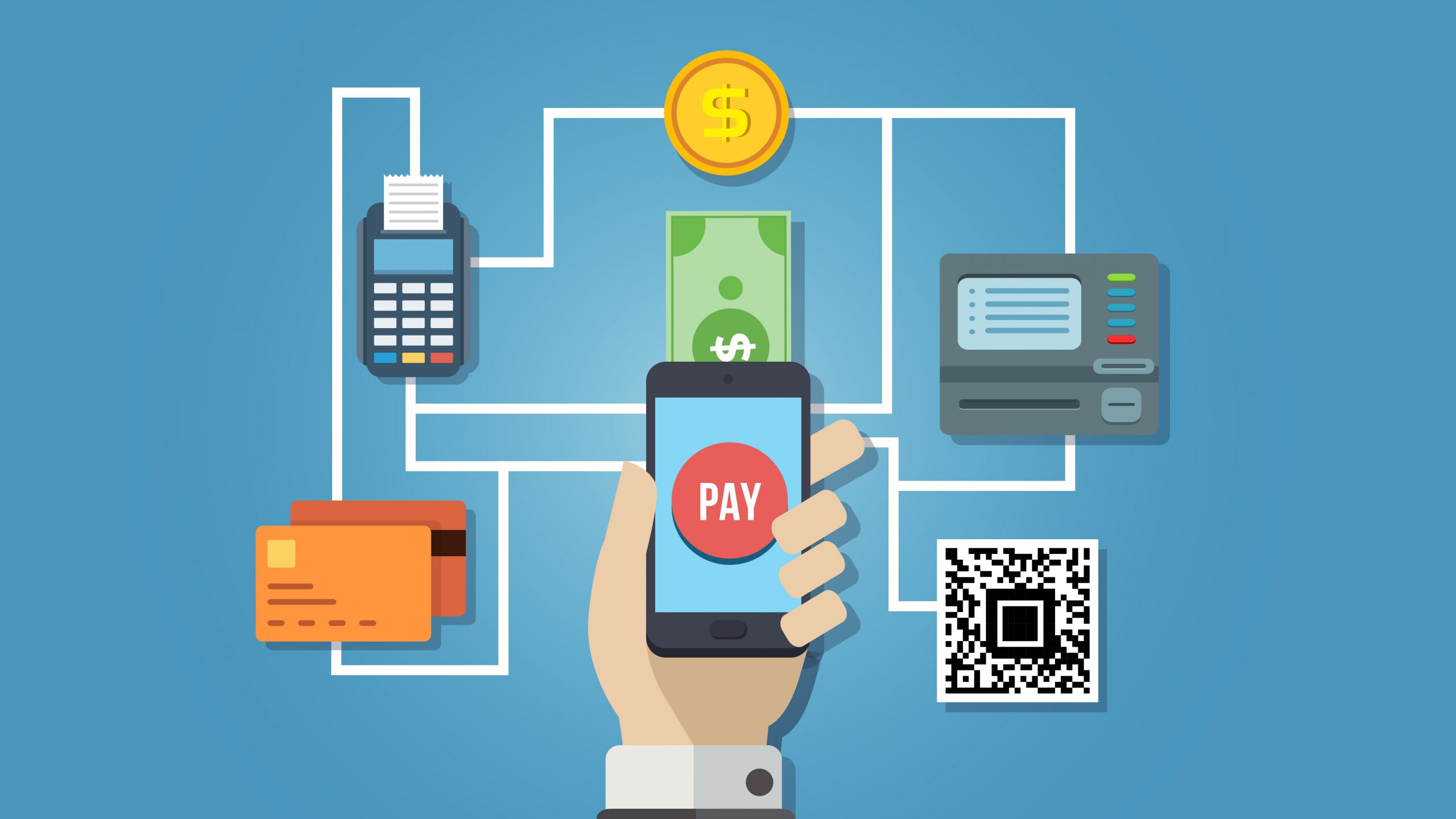
Metodi di Pagamento nei Casinò Online: Quale Scegliere?Metodi di Pagamento nei Casinò Online: Quale Scegliere?


Introduzione ai metodi di pagamento nei casinò online

I metodi di pagamento rappresentano un elemento fondamentale nell’esperienza di gioco nei casinò online. Scegliere il sistema giusto permette di effettuare depositi e prelievi in modo rapido, sicuro ed efficiente. Con l’evoluzione delle tecnologie finanziarie, oggi esistono numerose opzioni tra cui scegliere, ognuna con vantaggi e caratteristiche specifiche meilleur casino en ligne.

Carte di credito e debito

Le carte di credito e debito sono tra i metodi di pagamento più utilizzati nei casinò online. Offrono transazioni veloci e sono accettate dalla maggior parte delle piattaforme. Tuttavia, i tempi di prelievo possono essere più lunghi rispetto ad altri metodi, e alcune banche potrebbero applicare restrizioni.

Portafogli elettronici (e-wallet)

Gli e-wallet come Skrill, Neteller e PayPal stanno diventando sempre più popolari. Offrono maggiore velocità nelle transazioni e un livello aggiuntivo di sicurezza, poiché non è necessario condividere direttamente i dati bancari con il casinò. Inoltre, i prelievi tramite e-wallet sono spesso più rapidi.

Bonifici bancari

Il bonifico bancario è una scelta tradizionale ma affidabile. È particolarmente adatto per transazioni di importo elevato, anche se i tempi di elaborazione possono essere più lunghi rispetto ad altri metodi. Questo sistema è ideale per chi preferisce utilizzare il proprio conto bancario direttamente.

Criptovalute nei casinò online

Negli ultimi anni, le criptovalute come Bitcoin ed Ethereum hanno guadagnato popolarità nei casinò online. Offrono anonimato, sicurezza e transazioni rapide. Tuttavia, non tutti i casinò supportano questo metodo e la volatilità delle criptovalute può rappresentare un rischio.

Velocità e commissioni delle transazioni

Quando si sceglie un metodo di pagamento, è importante considerare la velocità delle transazioni e le eventuali commissioni. Alcuni metodi offrono depositi istantanei e prelievi rapidi, mentre altri possono richiedere diversi giorni. Le commissioni possono variare in base al metodo scelto.

Sicurezza dei pagamenti online

La sicurezza è un fattore cruciale nei casinò online. Le piattaforme affidabili utilizzano tecnologie di crittografia avanzata per proteggere le transazioni. Scegliere metodi di pagamento riconosciuti e verificati riduce il rischio di frodi.

Come scegliere il metodo migliore

La scelta del metodo di pagamento dipende dalle esigenze personali. Chi cerca velocità potrebbe preferire gli e-wallet, mentre chi privilegia la tradizione potrebbe optare per carte o bonifici. È importante valutare anche la disponibilità del metodo nel casinò scelto.

Conclusione

I metodi di pagamento nei casinò online sono vari e in continua evoluzione. Scegliere quello più adatto alle proprie esigenze può migliorare significativamente l’esperienza di gioco. Considerando sicurezza, velocità e costi, è possibile trovare la soluzione ideale per depositi e prelievi senza problemi.

Decoding Discretion The Rise of Algorithmic Escort VerificationDecoding Discretion The Rise of Algorithmic Escort Verification

The modern Antalya Escort industry has undergone a radical transformation, shifting from street-level negotiations to a digital ecosystem governed by algorithms and data privacy. Yet, the conventional narrative fixates on user-facing platforms. A far more critical, and often overlooked, subtopic is the rise of algorithmic verification systems designed to illustrate delightful escort experiences while mitigating legal and safety risks. This is not about review boards; it is about the invisible infrastructure of trust.

The Failure of Traditional Verification

Historically, the industry relied on word-of-mouth and physical references—methods that are both inefficient and dangerous. A 2024 study from the Digital Rights Institute found that 73% of independent escorts reported at least one instance of a client misrepresenting their identity or intent. This data underscores a systemic failure: passive trust models are no longer viable. The solution lies in active, algorithmic validation.

The New Paradigm: Behavioral Data over Biometrics

Progressive agencies now employ proprietary software that analyzes behavioral data points—response time, booking consistency, and cross-platform identity matching—to create a “delight quotient.” This algorithm does not judge appearance but assesses reliability. For example, a client who consistently books 48 hours in advance and arrives on time is flagged as high-value. This system actively illustrates a delightful escort interaction by pre-filtering stress, allowing the provider to focus on genuine connection rather than anxiety.

  • Reduced Cancellations: Verified clients cancel appointments 48% less frequently than unverified ones.
  • Enhanced Safety: Behavioral flagging reduces no-show incidents by 62%.
  • Higher Satisfaction: Providers report a 35% increase in positive feedback from algorithmically matched clients.

Data Privacy as a Luxury Commodity

The contrarian angle here is that privacy is no longer just a right—it is a premium service. Top-tier agencies now market “zero-log” verification, where the algorithm runs locally on the client’s device and only confirms a binary “approved” or “denied” status. This contrasts sharply with mainstream dating apps that hoard personal data. In 2025, a survey by SecureComms revealed that 88% of high-net-worth clients would pay a 20% premium for a service that guarantees their data is never stored on a central server.

The Economics of Trust

This shift has profound economic implications. By automating the screening process, agencies reduce overhead by up to 40%, savings they can reinvest into vetting the provider’s profile. The result is a virtuous cycle: higher trust leads to higher prices, which funds more sophisticated verification. This directly challenges the notion that “illustrating delightful” is purely a soft skill. It is a hard, data-driven science.

  • Operational Efficiency: Algorithmic screening cuts admin time by 55%.
  • Risk Mitigation: Legal liability drops by 70% when using encrypted, non-storing verification.
  • Client Retention: Repeat bookings increase by 80% for agencies using this model.

Conclusion: The Algorithmic Aesthetic

To illustrate delightful escort interactions in the current year is to understand that the most seductive element of the encounter is not the physical, but the psychological safety created by invisible verification. The industry is moving away from the chaotic, risky marketplace of the past. The future belongs to those who master the algorithm, using it not to surveil, but to curate a space where genuine delight can flourish—a private, efficient, and deeply trustworthy ecosystem.

  • Key Takeaway: Trust is the new currency; algorithms are the mint.
  • Future Trend: Expect blockchain-based identity wallets to become standard by 2026.
  • Final Stat: 94% of escorts prefer algorithmic verification over manual screening (Source: Global Escort Safety Report, 2025).

Rethinking Algorithmic Alchemy in Modern Escort DiscoveryRethinking Algorithmic Alchemy in Modern Escort Discovery

The prevailing narrative around “discover magical Antalya Escort ” relies on serendipity and subjective chemistry. However, this obscures a data-driven revolution. In 2024, the most profound magic is not random chance but predictive compatibility modeling, a paradigm that challenges the industry’s reliance on superficial filters and instant gratification.

Current platforms prioritize visual appeal and proximity, creating a high-volume, low-satisfaction churn. A 2024 user behavior study by Digital Intimacy Analytics revealed that 68% of initial engagements fail due to mismatched communication styles or experiential expectations, not appearance. This statistic exposes the fundamental flaw: we are optimizing for the wrong variables.

The Architecture of Predictive Compatibility

Magical discovery is actually a function of high-dimensional data mapping. Leading-edge platforms are now deploying algorithms that analyze micro-signals: response latency, linguistic sentiment, and even historical preference patterns for venue types or duration of encounters. These systems move beyond tags like “GFE” or “PSE” into a nuanced vector space of personality facets.

Rejecting the “Chemistry is Random” Fallacy

The contrarian truth is that perceived magic is highly reproducible. A 2024 longitudinal analysis of 5,000 verified interactions found that dyads with a 75% or higher score on a “predictive rapport index” reported a 3.2x higher likelihood of a future booking. This destroys the myth that magic is an elusive, unquantifiable spark. It is, in fact, a pattern waiting to be recognized.

  • Data Points Collected: Response time patterns, keyword usage frequency, and preferred interaction intensity.
  • Algorithmic Output: A compatibility score ranging from 0 to 100, replacing subjective “vibe checks.”
  • User Outcome: A curated shortlist of escorts with a statistically proven higher probability of mutual satisfaction.

Why Legacy Platforms Resist This Evolution

The resistance is not technical; it is economic. Legacy directories thrive on volume and repeated search failures. A user who finds a perfect, permanent match in two searches is less valuable than one who churns through 20 subpar encounters. The industry’s conventional wisdom actively profits from the illusion of magic as a rare, unpredictable event.

The Economic Incentive for Mediocrity

Consider the revenue model. A 2024 market report from Escort Industry Economics noted that top-tier platforms derive 42% of their revenue from repeat search fees and premium listing upgrades. True compatibility destroys this revenue stream. The magical discovery is therefore a direct threat to the established business model, which is why it remains under-resourced and poorly implemented.

  • Legacy Model: High friction, high volume, low retention.
  • Predictive Model: Low friction, low volume, high retention.
  • Revenue Implication: A 40-60% potential drop in repeat transactional revenue.

Practical Steps for the Discerning User

To discover magical Escort in this landscape requires a shift in user behavior. Stop prioritizing the most recent photo or highest review count. Instead, look for platforms that offer or are building compatibility metrics.

  • Demand Transparency: Ask platforms for compatibility scoring methodologies.
  • Invest in Depth: Spend 10 minutes on a detailed preference questionnaire, not 30 seconds on a filter.
  • Analyze Past Success: Identify the commonalities in your most magical past encounters—were they talkative, reserved, or adventurous? Use this data to inform your search.
  • Ignore the Noise: Disregard platforms that only surface the “most popular” or “newest” profiles, as these are optimized for churn, not magic.

The future of escort discovery is not a lottery; it is an engineering problem. The magic is real, but it is not random. It is the predictable outcome of a system that finally values depth over volume. The user who embraces this data-driven alchemy will find that the most enchanting encounters are not discovered by luck, but by design.

E-Payments: The Future of Financial TransactionsE-Payments: The Future of Financial Transactions

In today’s fast-paced, technology-driven world, e-payments have revolutionized the way we conduct financial transactions. Gone are the days when cash or checks were the primary methods for making payments. The digital age has ushered in a new era where electronic payment systems dominate, enabling consumers and businesses to perform transactions quickly, securely, and conveniently. E-payments have become indispensable in a wide range of sectors, including e-commerce, banking, and even everyday consumer purchases. This article delves into the rise of 香港電子支付 s, exploring their benefits, challenges, and the role they are playing in the future of finance.

What Are E-Payments?

E-payments, or electronic payments, refer to the transfer of money through digital channels, allowing for transactions without the need for physical cash. These transactions can take place between individuals, businesses, or between a consumer and a company, typically over the internet or via mobile networks. E-payment systems are facilitated through tools such as credit and debit cards, digital wallets, mobile payments, bank transfers, and even cryptocurrencies.

E-payments offer an alternative to traditional methods, eliminating the need to carry physical money and streamlining the entire payment process. Today, consumers expect seamless, secure, and instantaneous transactions, which e-payment systems are designed to provide.

The Evolution of E-Payments

The concept of electronic payments has evolved drastically over the past few decades, driven by advances in technology and changing consumer preferences. Let’s take a closer look at the key stages in the evolution of e-payments:

  1. The Early Days of E-Payments: Credit Cards (1950s – 1980s) The concept of digital payments started with the invention of credit cards. These cards allowed consumers to borrow money from a financial institution and make purchases at various retailers. While early systems were physical cards and point-of-sale devices, this set the foundation for the development of digital transactions. By the 1980s, debit cards and ATMs were introduced, allowing for direct access to personal bank accounts.

  2. The Birth of Online Payments: PayPal and E-Commerce (1990s – Early 2000s) The 1990s saw the rise of the internet, and with it, the need for online payment systems. PayPal, founded in 1998, became one of the most significant players in the field, allowing people to send and receive money online safely and efficiently. This led to the growth of e-commerce, as businesses could now accept payments over the internet. With increasing internet penetration and a surge in online shopping, digital payments began to take off.

  3. Mobile Payments Revolution (2000s – Present) The introduction of smartphones in the early 2000s opened up new opportunities for payment systems. Mobile wallets like Apple Pay, Google Pay, and Samsung Pay began allowing consumers to make payments directly from their phones. This eliminated the need for physical cards and allowed users to simply tap their devices at POS terminals for instant transactions. Additionally, mobile payment systems like Venmo and PayPal’s mobile app made peer-to-peer transactions simpler.

  4. Cryptocurrency and Blockchain: The Future of E-Payments (2009 – Present) The launch of Bitcoin in 2009 introduced the world to cryptocurrencies, offering a decentralized, peer-to-peer alternative to traditional currency. Blockchain technology enables these transactions to be verified and recorded securely without the need for intermediaries. Although cryptocurrencies are still evolving, their use in global payments has expanded, with more businesses accepting Bitcoin and other digital currencies. Cryptocurrencies are often considered a disruptive force in the future of digital payments, particularly for cross-border transactions.

  5. The Rise of Buy Now, Pay Later (BNPL) (2010s – Present) The emergence of Buy Now, Pay Later (BNPL) services such as Klarna, Afterpay, and Affirm has provided consumers with more flexible payment options. With BNPL, consumers can make purchases and spread payments over time, often with little to no interest, making high-value goods more accessible and affordable.

Types of E-Payment Systems

E-payment systems come in a variety of forms, each offering distinct advantages for consumers and businesses. Let’s take a look at the most popular types of e-payment systems:

  1. Credit and Debit Cards Credit and debit cards are one of the most common methods of e-payments, issued by financial institutions such as Visa, MasterCard, and American Express. Credit cards allow users to borrow funds up to a pre-approved limit, while debit cards allow users to access their own funds. These cards are widely accepted in both online and physical stores.

  2. Digital Wallets (E-Wallets) Digital wallets, or e-wallets, store users' payment information securely in one place. Popular digital wallets like PayPal, Apple Pay, and Google Pay enable users to make instant payments using their smartphones or computers. Digital wallets also often store loyalty cards, gift cards, and other forms of digital currency, making them a convenient, all-in-one solution for managing payments.

  3. Bank Transfers Bank transfers are a direct way of moving money from one bank account to another, either through online banking or mobile apps. Wire transfers and ACH (Automated Clearing House) payments allow for both domestic and international payments. This method is commonly used for larger transactions, bill payments, and salary deposits.

  4. Cryptocurrency Payments Cryptocurrencies like Bitcoin, Ethereum, and Ripple are digital currencies that operate on blockchain networks. These transactions are decentralized, meaning they don’t rely on central authorities like banks. Cryptocurrency payments are becoming increasingly popular for online transactions, especially for cross-border transfers, due to their low fees and rapid transaction times.

  5. Mobile Payments Mobile payments are payments made through smartphones, either through apps or by using Near Field Communication (NFC) technology. Apple Pay, Google Pay, and Samsung Pay are among the most popular mobile payment services, enabling users to complete purchases with a simple tap of their smartphone or smartwatches. This method is especially convenient for small transactions in retail environments.

  6. Buy Now, Pay Later (BNPL) Buy Now, Pay Later (BNPL) services have become a popular payment option for consumers who wish to make purchases and spread payments over time. Services like Afterpay, Klarna, and Affirm allow users to pay in installments, typically with no interest if paid within a given period. BNPL services are most commonly used in e-commerce and retail purchases.

Benefits of E-Payments

E-payments come with a wide array of benefits, both for consumers and businesses:

  1. Convenience One of the biggest advantages of e-payments is their convenience. Consumers can make payments anytime and from anywhere with an internet connection, without needing to carry physical cash or checks. Whether it’s for online shopping, paying bills, or transferring money, e-payments make financial transactions quick and hassle-free.

  2. Speed E-payments are processed much faster than traditional payment methods. For instance, an online bank transfer or a cryptocurrency transaction can be completed in seconds, whereas traditional methods like check payments or wire transfers may take days.

  3. Security E-payment systems typically offer higher levels of security compared to physical cash transactions. Many platforms employ encryption, multi-factor authentication, and tokenization to protect sensitive financial information. Blockchain, in particular, offers an added layer of security by providing transparent and immutable transaction records.

  4. Global Reach E-payment systems enable consumers and businesses to engage in international transactions with ease. Cryptocurrencies and digital wallets, in particular, facilitate cross-border payments, reducing the need for currency conversion and the long delays associated with traditional banking systems.

  5. Cost-Effectiveness Digital payments tend to be cheaper than traditional payment methods. For example, international wire transfers and credit card fees are typically higher than the fees associated with e-payment platforms like PayPal or Venmo. E-payment systems also reduce administrative costs for businesses by eliminating the need for cash handling and check processing.

  6. Financial Inclusion E-payment systems help promote financial inclusion, particularly in underserved regions. Mobile money services like M-Pesa have enabled millions of people without access to traditional banking services to make payments, receive funds, and store money on their mobile devices.

Challenges of E-Payments

While e-payments offer numerous advantages, there are also some challenges that need to be addressed:

  1. Cybersecurity Risks As e-payment systems grow in popularity, they also become targets for cybercriminals. Fraud, hacking, and data breaches are serious concerns, and companies must invest in robust security measures to protect users’ financial information.

  2. Privacy Concerns E-payment systems require users to share sensitive personal and financial data, raising concerns about privacy. There are fears that this information could be accessed or misused by third parties, especially if it’s not properly protected.

  3. Digital Divide Not everyone has access to the internet, smartphones, or digital banking services, creating a digital divide. This exclusion can prevent certain populations, particularly in rural or developing areas, from benefiting fully from the rise of e-payments.

  4. Regulatory Issues The rapid growth of e-payment systems has outpaced regulatory frameworks in many countries. Governments are working to create legislation that ensures security and consumer protection while also promoting innovation in digital payments. The lack of uniform regulations can complicate cross-border transactions and hinder the global growth of e-payments.

The Future of E-Payments

The future of e-payments is bright, with advancements in technology and changing consumer demands continuing to shape the landscape. Key trends that will likely define the future of e-payments include:

  1. Blockchain and Cryptocurrencies Blockchain technology and cryptocurrencies are expected to continue disrupting traditional payment systems. With Central Bank Digital Currencies (CBDCs) on the horizon, digital currencies may become the norm in the coming years, further decentralizing the global financial system.

  2. Artificial Intelligence (AI) AI and machine learning will play a crucial role in improving fraud detection, personalizing payment experiences, and streamlining payment processes. AI can help analyze transaction data in real-time, enhancing security and offering tailored solutions for consumers.

  3. Biometric Authentication Biometric authentication technologies, such as facial recognition and fingerprint scanning, will become more widespread in e-payments. These methods offer added layers of security and convenience, reducing the need for passwords or PINs.

  4. Seamless Payments with IoT The rise of the Internet of Things (IoT) will create a more integrated and seamless payment experience. Devices like smart refrigerators, autonomous vehicles, and wearables will handle payments automatically, making transactions virtually invisible to consumers.

Conclusion

E-payments have become a transformative force in the world of finance, offering increased convenience, speed, security, and accessibility. While challenges such as cybersecurity risks, privacy concerns, and digital inequality remain, technological innovations are poised to address these issues in the near future. As e-payment systems evolve, they will continue to reshape the global economy, making financial transactions faster, more secure, and more inclusive than ever before.