
Spart And Design Business How To Calculate Your Carbon Credit Footprint?

How To Calculate Your Carbon Credit Footprint?

Imagine waking up one day to discover that your daily choices—what you eat, how you commute, the electricity you consume—are all silently adding to an invisible debt you owe to the planet. This debt is measured not in dollars but in emissions, and it’s called your carbon credit footprint.

Today, individuals and businesses alike are being asked to take responsibility for their environmental impact. Governments, industries, and even local communities are using carbon credits as a way to track, reduce, and offset greenhouse gas emissions.

But here’s the catch: you can’t manage what you don’t measure. Before you buy offsets or celebrate your eco-friendly lifestyle, you first need to calculate your carbon credit footprint.

Learning how to measure your footprint isn’t just about ticking a sustainability box. It empowers you. Imagine knowing exactly how much of an impact you’re making, where the hotspots in your lifestyle are, and how small adjustments—like switching to renewable energy, reducing food waste, or driving less—can cut tons of emissions.

The good news? It’s easier than you think.In this comprehensive guide, you’ll learn step by step how to calculate your carbon credit footprint, why it matters, the tools you can use, and how you can take meaningful action to reduce or offset it. By the end, you’ll be equipped with both knowledge and practical strategies to turn numbers into change.


What Is a Carbon Credit Footprint?

A carbon credit footprint refers to the total greenhouse gases (GHGs) generated by your lifestyle, business operations, or activities, expressed in metric tons of carbon dioxide equivalent (CO2e). Every time you drive, use electricity, fly, or consume products, you leave behind an invisible trail of emissions.

When these emissions are calculated, they can be offset using carbon credits—certificates representing the removal or reduction of one metric ton of CO2e from the atmosphere. In other words, understanding your footprint is the first step toward balancing the emissions you generate with solutions that restore environmental equilibrium.


Why Should You Calculate Your Carbon Credit Footprint?

1. Environmental Responsibility

Knowing your carbon credit footprint creates awareness about how your choices affect the planet. It highlights hotspots where your activities release the most emissions.

2. Compliance and Business Regulations

Many industries must report and offset emissions to meet international standards. For businesses, calculating the carbon credit footprint is not optional—it’s part of staying compliant with climate policies.

3. Financial Benefits

Reducing emissions often leads to cost savings. For example, using energy-efficient appliances lowers both your electricity bill and your carbon credit footprint.

4. Brand Reputation and Trust

For companies, transparency in reporting carbon credits strengthens credibility with consumers who increasingly prefer sustainable brands.

5. Personal Empowerment

Individuals who calculate and offset their carbon credit footprint enjoy the satisfaction of aligning values with actions, contributing to a greener world.


The Science Behind Carbon Credits and Carbon Footprints

To fully understand how to calculate your carbon credit footprint, let’s break down the science:

  • Carbon Footprint: The total amount of greenhouse gases emitted directly and indirectly from an activity, product, or lifestyle.

  • Carbon Credit: A tradable certificate that represents the reduction or removal of one metric ton of CO2e.

  • Offsetting: Using carbon credits to balance out unavoidable emissions by supporting projects like reforestation, renewable energy, or methane capture.

Together, these concepts form the backbone of global climate action. Calculating your footprint is not just data collection—it’s your entry point into the carbon credit ecosystem.


Step-By-Step Guide: How To Calculate Your Carbon Credit Footprint

Step 1: Identify Sources of Emissions

Your carbon credit footprint is divided into three categories known as “scopes”:

  • Scope 1: Direct emissions (fuel you burn in your car, gas heating, etc.).

  • Scope 2: Indirect emissions from purchased energy (electricity, steam, cooling).

  • Scope 3: Other indirect emissions (travel, supply chain, purchased goods, waste).

Understanding these categories helps pinpoint where emissions are coming from.


Step 2: Gather Your Data

To calculate accurately, collect details such as:

  • Monthly electricity and gas bills

  • Fuel consumption (liters or gallons)

  • Air travel records (miles flown)

  • Daily commuting patterns

  • Food consumption (meat, dairy, plant-based)

  • Waste generation (recycling, landfill)

The more precise your data, the more reliable your carbon credit footprint calculation will be.


Step 3: Use Standard Conversion Factors

Greenhouse gas emissions are measured in CO2e. Conversion factors help translate energy or fuel use into emissions. For example:

  • 1 liter of gasoline ≈ 2.31 kg CO2e

  • 1 kWh of electricity (U.S. average) ≈ 0.92 lbs CO2e

  • 1 mile of air travel ≈ 0.2 kg CO2e (short-haul flight)

These factors vary by country and energy source, so always use region-specific data for precision.


Step 4: Apply Carbon Footprint Calculators

Online calculators simplify the process. Popular ones include:

  • EPA Carbon Footprint Calculator (for individuals in the U.S.)

  • Carbon Trust Calculator (for businesses)

  • MyClimate (international tool for individuals and companies)

Input your energy, travel, and lifestyle data, and the tool will estimate your carbon credit footprint.


Step 5: Analyze Results

Once calculated, you’ll know your total emissions (in tons of CO2e). Break down the results by category to see where you contribute most—transportation, energy, food, or waste. This clarity makes it easier to target reductions.


Step 6: Offset Through Carbon Credits

Even with best efforts, some emissions are unavoidable. That’s where carbon credits come in. Purchase verified credits from certified programs (like Gold Standard, Verra, or UN Clean Development Mechanism) to offset the emissions you can’t reduce.


Tools and Resources for Calculating Carbon Credit Footprint

Here are some practical tools and organizations:

  • CoolClimate Network Calculator: Great for individuals and households.

  • Carbon Trust: Provides tools for businesses to measure and manage emissions.

  • Terrapass: Offers both calculators and carbon offset purchase options.

  • UN Carbon Offset Platform: Buy official UN-certified carbon credits.

Each tool helps simplify calculations, ensuring accuracy and transparency.


Practical Examples

Example 1: Individual

Sarah drives 10,000 miles a year, uses 9,000 kWh of electricity, and takes two round-trip flights annually. Using standard calculators, her total carbon credit footprint equals about 12 tons of CO2e per year.

Example 2: Business

A mid-sized company consumes 200,000 kWh of electricity, has 50 employees commuting daily, and relies on air freight. Its annual carbon credit footprint might reach 500 tons of CO2e.


How to Reduce Your Carbon Credit Footprint

Energy Efficiency

Switch to LED lighting, upgrade insulation, and use energy-efficient appliances to shrink your carbon credit footprint.

Transportation

Carpooling, cycling, public transport, or switching to electric vehicles cuts down emissions.

Renewable Energy

Installing solar panels or switching to green energy plans reduces Scope 2 emissions significantly.

Food Choices

Reducing meat consumption lowers methane emissions. A plant-based diet has a smaller carbon credit footprint.

Waste Management

Recycling, composting, and minimizing landfill waste directly reduce emissions.


The Role of Carbon Credits in Achieving Net Zero

Achieving net-zero emissions means balancing what you emit with what you remove or offset. For most, it’s impossible to reduce everything to zero. That’s why carbon credits play a critical role—they bridge the gap between what you can cut and what remains unavoidable.

When combined with reduction strategies, carbon credits allow individuals and companies to achieve genuine climate neutrality.


Challenges in Calculating Carbon Credit Footprints

  • Data Accuracy: Incomplete records can distort results.

  • Conversion Factors: They differ across regions, making global comparisons tricky.

  • Scope 3 Emissions: Hardest to track since they involve indirect impacts like supply chains.

  • Greenwashing Risks: Some companies misuse carbon credits without reducing actual emissions.

Despite these challenges, striving for transparency ensures meaningful action.


Future Trends in Carbon Credit Footprinting

  1. AI-Powered Tools: Advanced calculators using artificial intelligence for precise results.

  2. Blockchain Verification: Transparent trading of carbon credits.

  3. Mandatory Reporting: More governments requiring businesses to disclose footprints.

  4. Personal Carbon Budgets: Apps offering real-time footprint tracking for individuals.

These innovations will make calculating and managing carbon credit footprints easier and more accessible.


Conclusion

Calculating your carbon credit footprint is more than just an exercise in numbers—it’s a statement of responsibility. From measuring your daily energy use to offsetting emissions with carbon credits, each step you take moves us closer to a sustainable future.

Whether you’re an individual eager to live more sustainably or a business striving for compliance and credibility, knowing your footprint gives you the power to act with purpose.

The journey begins with a single calculation. Don’t wait—measure your footprint, reduce what you can, and offset the rest. Together, we can build a world where growth and sustainability walk hand in hand.
Leave a Reply

Your email address will not be published. Required fields are marked *

Related Post

Understanding the Essential Car Parts and Their Functions: A Detailed GuideUnderstanding the Essential Car Parts and Their Functions: A Detailed Guide

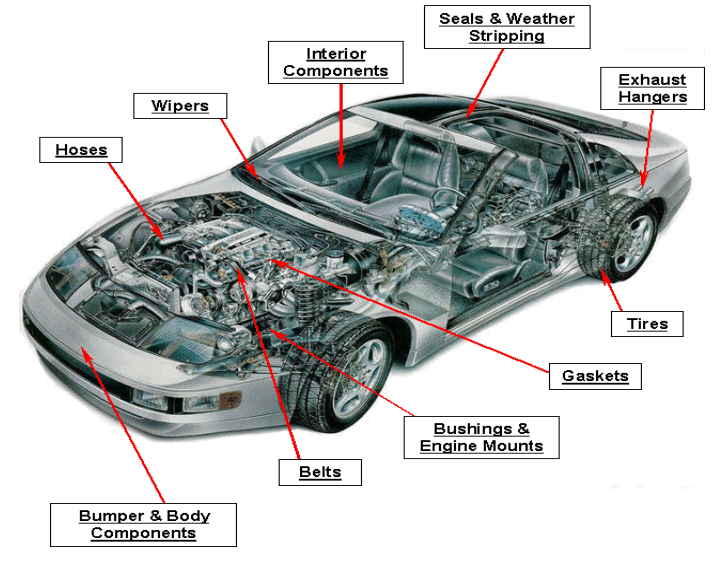
Cars are complex machines that rely on a variety of parts working together to deliver performance, comfort, and safety. From the engine that powers the vehicle to the tiny sensors that monitor its operations, every part plays a crucial role in the car’s functionality. Understanding these components can help drivers take better care of their vehicles, identify potential problems, and appreciate the engineering that goes into each ride. This article explores the essential 汽車零件 and their functions, offering a comprehensive guide to how vehicles operate.

1. The Engine: Powering the Vehicle

The engine is arguably the most critical part of any car. It converts energy stored in fuel into mechanical energy to move the car. Typically, internal combustion engines (ICE) are found in most vehicles, although electric vehicles (EVs) use an entirely different system.

  • Cylinder: Where the combustion of fuel happens. The number of cylinders affects the engine’s power output.
  • Piston: Moves up and down inside the cylinder, creating mechanical force.
  • Crankshaft: Converts the up-and-down motion of pistons into rotational energy that turns the wheels.
  • Timing Belt: Synchronizes the movement of the pistons and valves for smooth operation.

2. Transmission: The Gear Mechanism

The transmission takes the power generated by the engine and transfers it to the wheels. It adjusts the engine's power, allowing the car to shift gears for varying speeds.

  • Manual Transmission: The driver manually shifts gears to control the car’s speed and engine power.
  • Automatic Transmission: Automatically shifts gears depending on speed, easing driving for the operator.
  • CVT (Continuously Variable Transmission): A more modern transmission that doesn’t have fixed gears but instead adjusts smoothly, offering better fuel efficiency.

3. Battery: The Power Supply

The car’s battery provides the electrical power needed for starting the engine and operating electrical systems when the engine isn’t running. It also helps stabilize the voltage levels in the vehicle’s electrical systems.

  • Lead-Acid Battery: The most common type in cars, providing energy to start the engine.
  • Lithium-Ion Battery: Found in electric vehicles, offering higher energy density and longer life.

4. Suspension System: Smooth Ride and Handling

The suspension system connects the wheels to the car’s body and is essential for providing a smooth ride. It absorbs shocks and keeps the car stable, especially during turns or when driving on rough roads.

  • Shock Absorbers: Dampens the impact of road bumps and keeps the car stable.
  • Springs: Support the vehicle’s weight and absorb road shocks.
  • Control Arms: Allow for controlled movement of the wheels while supporting the car’s weight.

5. Brakes: Stopping Power

The braking system is designed to slow down or stop the vehicle when necessary, ensuring driver and passenger safety.

  • Disc Brakes: Use a rotor and caliper to create friction that slows down the wheel’s rotation.
  • Drum Brakes: Utilize a drum and brake shoes to create stopping power. Commonly found in older vehicles or as rear brakes.
  • ABS (Anti-lock Braking System): Prevents the wheels from locking up during sudden stops, reducing the risk of skidding.

6. Cooling System: Maintaining Engine Temperature

The cooling system ensures the engine does not overheat, maintaining an optimal operating temperature. Without a functioning cooling system, the engine could suffer severe damage.

  • Radiator: Disperses the heat absorbed by the coolant from the engine, cooling it down.
  • Coolant: Circulates through the engine and absorbs heat, keeping the temperature regulated.
  • Water Pump: Circulates coolant throughout the engine and radiator.

7. Exhaust System: Reducing Emissions

The exhaust system directs harmful gases away from the engine and reduces harmful emissions that contribute to air pollution.

  • Exhaust Manifold: Collects exhaust gases from the engine’s cylinders and channels them toward the exhaust pipe.
  • Catalytic Converter: Converts harmful gases like carbon monoxide and nitrogen oxides into less harmful emissions.
  • Muffler: Reduces the noise created by the engine's exhaust gases.

8. Fuel System: Delivering Energy to the Engine

The fuel system manages the storage, delivery, and regulation of fuel to the engine. It ensures that the engine receives the right amount of fuel for efficient combustion.

  • Fuel Tank: Stores the gasoline or diesel fuel used to power the vehicle.
  • Fuel Pump: Pumps fuel from the tank to the engine.
  • Fuel Injector: Delivers precise amounts of fuel to the engine’s combustion chambers.

9. Air Conditioning and Heating System: Cabin Comfort

The climate control system regulates the interior temperature, making driving more comfortable for the occupants, regardless of the external weather.

  • Compressor: Compresses the refrigerant and circulates it through the system, cooling the cabin air.
  • Heater Core: Works like a small radiator, using the heat from the engine to warm the cabin during cold weather.
  • Blower Fan: Distributes the cool or warm air throughout the car’s interior.

10. Lights and Indicators: Visibility and Communication

Lighting systems in a vehicle help with visibility and allow drivers to communicate with others on the road.

  • Headlights: Illuminate the road ahead during night driving or in poor visibility.
  • Turn Signals: Alert other drivers to your intention to change lanes or turn.
  • Brake Lights: Warn drivers behind you that you are slowing down or stopping.

11. Steering System: Controlling the Car’s Direction

The steering system allows the driver to control the direction of the vehicle. It’s composed of various components that ensure the wheels turn smoothly and precisely.

  • Steering Wheel: The most important interface the driver uses to control the vehicle’s direction.
  • Rack and Pinion: A gear mechanism that helps translate the turning motion of the steering wheel into the turning of the wheels.
  • Power Steering: Uses hydraulic or electric assistance to make turning the steering wheel easier, especially at low speeds.

12. Tires and Wheels: Connection to the Road

Tires are the only point of contact between your car and the road, making them crucial for safety and performance. They provide the necessary traction for acceleration, braking, and turning.

  • Tire Tread: The pattern on the tire’s surface, which provides traction and helps channel water away to prevent hydroplaning.
  • Wheel Rims: The metal structure that holds the tire in place and connects to the axle.

13. Windshield Wipers: Keeping the Glass Clear

Windshield wipers are essential for visibility during rain, snow, or other weather conditions that can obstruct your view. The wiper blades sweep across the windshield, clearing away water, dirt, or debris.

  • Wiper Blades: Rubber components that move back and forth to clear the windshield.
  • Washer Fluid: Used to help clean the windshield when there’s heavy dirt or grime.

Conclusion

A car is a sophisticated machine with numerous parts that work in tandem to ensure safety, comfort, and efficiency. Each part, whether it’s the engine powering the vehicle or the brakes stopping it, is essential to the vehicle’s operation. Having a basic understanding of these parts can help you become a more informed driver and vehicle owner. Regular maintenance, timely repairs, and an awareness of the car parts can significantly extend the life of your vehicle and prevent costly breakdowns. Whether you are a car enthusiast or simply someone who wants to take better care of their vehicle, this knowledge is key to keeping your car running smoothly.

The Life-changing Superpowe Of The LotteryThe Life-changing Superpowe Of The Lottery

The lottery has become a staple fibre in high society, with millions of populate involved in the hopes of hit it rich. The allure of minute wealth and commercial enterprise exemption is overpowering, leadership to droves of populate buying tickets week after week. Many of quitting their jobs, travel the earthly concern, or in the end buying that dream home with the win from the drawing. But as with any game of , there are winners and losers, and the odds are not always in our favor. So, what is the true bear upon of the drawing on our society and individuals? Let s dive into the worldly concern of the lottery and research its highs and lows.

The construct of the lottery dates back centuries, with some historians trace it all the way back to antediluvian China. However, the modern drawing as we know it began in 1964 when New Hampshire launched the first posit-run lottery. Since then, the drawing has swollen to 44 states and generates billions of dollars in tax income each year.

On the rise up, the lottery may seem like a atoxic game, with players disbursement a few dollars each week for a chance to win millions. But for some, it can become a chancy dependance. The tickle of potentially hitting the kitty can lead to overspending and fiscal try. According to the National Council on Problem Gambling, more or less 2-3 of adults have from gaming-related problems, and the drawing is a substantial contributor to this cut.

For the golden few who do win big, the lottery can be a life-changing . Suddenly becoming millionaires, they are given the chance to fulfill their wildest dreams. However, winning the lottery does not always equal to fiscal stability or felicity. Studies have shown that many lottery winners undergo a acutely worsen in their overall well-being after winning. The inflow of money can lead to tense relationships, accrued try, and even slump. In some cases, winners may also fall victim to scams or become targets for thieves.

Aside from the potency impact on the somebody, the drawing also has a considerable touch on on society. The Tigro Club is often used as a substance of generating tax revenue for various government programs, such as training and infrastructure. However, critics reason that the drawing preys on low-income individuals and perpetuates inequality. The legal age of lottery players come from lower-income brackets, and they often spend a bigger assign of their income on tickets. This creates a graduated tax, where the poor are au fond subsidizing government programs through their gambling losses.

Despite the downsides, we cannot ignore the prescribed affect of the lottery. Many programs and organizations have been able to benefit from lottery cash in hand, such as sports teams, non-profits, and taste institutions. Additionally, the lottery provides a gleam of hope to those in dire commercial enterprise situations. For some, it can be their only at a brighter future or a way out of impoverishment.

So is the drawing finally a force for good or evil? The answer is not so simple. As with most things in life, it is a -edged steel. While it has its drawbacks, it also has its benefits. It is up to the individual to settle whether performin the lottery is worth the risk or not. The lottery may change a soul s life, but it is necessary to think of that true felicity and fulfilment cannot be bought.

In ending, the drawing has a considerable bear on on smart set and individuals, both positive and blackbal. It has the great power to make dreams come true but can also lead to problems if not approached with caution. The allure of minute wealthiness and freedom may be tantalising, but it is requisite to think of to chance responsibly and not let the lottery become a precarious habituation. Ultimately, our fate is not unregenerate by a set of propitious numbers racket, but rather the choices we make and the actions we take in life.

How Kaisar19 Mobile Phone Tracking Enhances User Security DailyHow Kaisar19 Mobile Phone Tracking Enhances User Security Daily


Mobile phones have become indispensable tools in our daily lives, connecting us to the world and holding valuable personal and professional data. Along with their benefits, however, comes the risk of theft, loss, and misuse. Kaisar19 Mobile Phone Tracking offers a comprehensive solution to these challenges by prioritizing user security. With advanced features tailored to address daily risks, Kaisar19 is a powerful tool for safeguarding users and their devices.

Real-Time Device Location for Immediate Action

One of the primary security features of Kaisar19 Mobile Phone Tracking is its real-time location tracking. This function enables users to pinpoint their device’s exact location at any moment. In cases of theft or misplacement, users can act swiftly to recover their phones. This capability is especially beneficial for individuals who travel frequently or live in areas where losing a device can lead to significant inconvenience or data exposure.

Geofencing for Personalized Safety

Geofencing is another remarkable feature of Kaisar19 that enhances user security daily. This tool allows users to create virtual boundaries around specific locations, such as home, school, or workplace. When the device enters or leaves these areas, instant alerts are triggered, ensuring users are aware of the movement. For parents, this feature is crucial for monitoring children’s whereabouts, while employers can use it to ensure compliance with designated work zones.

Lost Device Recovery Made Easy

Losing a mobile phone can lead to panic, not just for the device but also for the sensitive data it contains. Kaisar19 simplifies recovery through precise tracking and secure locking mechanisms. Users can remotely lock their device, wipe sensitive information, or send an alert to prevent unauthorized access. These proactive measures ensure that even if a device is lost, its contents remain protected.

Activity Monitoring for Families and Businesses

Kaisar19 provides daily security by enabling activity monitoring for families and businesses. Parents can track their children’s device usage to ensure they are safe and within predefined boundaries. Similarly, businesses can monitor company-owned devices to prevent misuse or unauthorized access to sensitive corporate data. This dual-purpose feature makes Kaisar19 a versatile tool for various scenarios.

Emergency Alert Features

In emergency situations, every second counts. Kaisar19 includes features that allow users to send SOS alerts with their location to preselected contacts. This functionality enhances personal safety, particularly for individuals who may find themselves in risky or unexpected situations. Whether it’s an accident or a security concern, users can rely on Kaisar19 for rapid assistance.

Secure Data Encryption and Privacy

User security isn’t just about physical protection—it’s also about safeguarding data. Kaisar19 employs robust encryption protocols to ensure that user information remains private and secure. By protecting sensitive data from hackers and unauthorized users, Kaisar19 addresses one of the most pressing concerns in today’s digital age.

Daily Benefits of Kaisar19 for Everyone

From individuals to families and businesses, Kaisar19 Mobile Phone Tracking delivers daily security benefits tailored to diverse needs. Its combination of advanced tracking, proactive alerts, and data protection makes it an essential tool for navigating the modern world safely.

Conclusion

Kaisar19 Mobile Phone Tracking enhances user security every day by offering real-time location updates, geofencing, data encryption, and emergency alert features. Its user-friendly interface and customizable options make it an indispensable asset for protecting devices and personal information. As mobile phone security becomes increasingly critical, Kaisar19 proves to be a reliable and effective solution.

LDPlayer安卓模拟器深度解析与全面体验:如何在PC上流畅运行手游并提升游戏性能与操作体验LDPlayer安卓模拟器深度解析与全面体验:如何在PC上流畅运行手游并提升游戏性能与操作体验


随着手机游戏在全球范围内的普及,越来越多的玩家希望在电脑上享受更大的屏幕、更流畅的操作和更高的性能体验,而 雷电模拟器官方 安卓模拟器正是在这种需求下脱颖而出的优秀选择。作为一款专注于安卓手游的模拟器,LDPlayer不仅能够完美兼容大量热门游戏,还提供了丰富的功能,使玩家在电脑端的游戏体验更加顺畅和高效。

LDPlayer的安装过程十分简便,无需复杂的设置,即便是电脑初学者也能轻松上手。用户只需从官方网站下载安装包,几分钟内即可完成安装并启动模拟器。LDPlayer支持多实例管理功能,这意味着玩家可以同时运行多个游戏账号或多个不同游戏,实现同时刷图、升级或参与活动,大大提高了游戏效率。同时,模拟器对系统资源的占用优化也非常到位,即使在中低配置的电脑上也能保持稳定运行,避免了卡顿和延迟的问题。

在操作体验方面,LDPlayer提供了高度可自定义的键盘映射功能。玩家可以根据自己的操作习惯,将触控操作映射到键盘和鼠标上,实现更精准的操作。特别是在射击类、策略类或角色扮演类手游中,这种功能能够显著提升游戏操作的流畅度和反应速度。除此之外,LDPlayer还支持手柄连接,使玩家能够在大屏电脑上体验类似主机游戏的操控感。

为了优化游戏性能,LDPlayer不断更新底层引擎,支持多核CPU、虚拟化技术和高帧率模式。这些技术的应用,使得游戏运行更加稳定,画面更加流畅,极大地减少了游戏过程中可能出现的卡顿和掉帧现象。模拟器还支持安卓多版本切换,玩家可以根据不同游戏需求选择最适合的安卓系统版本,保证游戏兼容性和稳定性。

另外,LDPlayer注重游戏体验的多样化和社交互动功能。模拟器内置了应用商店,玩家可以直接搜索和下载各类热门手游,无需额外安装第三方应用。同时,多开同步操作、宏命令设置和脚本录制功能,为玩家提供了更高效的游戏管理和操作方式。通过这些功能,玩家可以轻松实现重复操作自动化,节省大量时间。

总的来说,LDPlayer安卓模拟器以其简便的操作、强大的功能和稳定的性能,成为PC端玩家体验安卓手游的理想选择。无论是追求高性能游戏体验的核心玩家,还是希望轻松管理多账号的普通玩家,LDPlayer都能满足不同需求,为玩家提供更流畅、更便捷的游戏体验,让安卓手游在大屏电脑上焕发全新魅力。

Situs Togel: The Evolution Of Online Lottery PlatformsSitus Togel: The Evolution Of Online Lottery Platforms

In the digital age, entertainment and gaming have taken on new forms, and one of the most popular developments in recent years has been the rise of situs togel, or online lottery sites. Togel, short for “toto gelap,” originated in Southeast Asia as a numbers-based lottery game. With the advancement of technology, what was once played through offline agents or in physical communities has now transitioned into an online experience that allows millions of people to participate from the comfort of their homes. This evolution has brought convenience, accessibility, and excitement, but it has also raised questions about safety, fairness, and the future of online lottery gaming.

Understanding the Concept of Togel

Togel is a lottery-style game where players predict numbers in different formats. It usually involves combinations of two, three, or four-digit numbers, and winnings depend on accuracy and the type of bet placed. Unlike traditional lotteries, togel often provides more betting variations, making it engaging for players who enjoy testing their prediction strategies. With the creation of situs togel platforms, enthusiasts can now choose from a wide variety of betting markets, ranging from local pools to international draws.

The Growth of Situs Togel Online

The demand for online platforms has surged due to the convenience they provide. Instead of visiting a local bookmaker or agent, players can now log in to their preferred situs togel using a smartphone, tablet, or computer. This shift not only saves time but also opens the door to global participation. The rapid growth of online platforms has been fueled by:

Accessibility – With internet penetration expanding worldwide, players can participate anytime, anywhere.

Variety – Situs togel offers multiple markets, including popular draws like Singapore, Hong Kong, and Sydney pools.

Bonuses and Promotions – Many platforms attract slot maxwin with welcome bonuses, discounts, or cashback programs.

Security Improvements – Trusted websites are now investing in encryption technology and user verification to build confidence among players.

Key Features of a Trusted Situs Togel

Not all platforms are created equal. To ensure a safe and enjoyable experience, players must carefully choose where they play. A reliable situs togel usually offers the following features:

Official Licensing – Reputable sites are registered and comply with regulations, ensuring fairness and transparency.

Secure Transactions – Strong data protection, secure payment gateways, and encryption are critical in protecting player information.

User-Friendly Design – Simple navigation, responsive mobile apps, and clear instructions enhance the overall gaming experience.

Customer Support – Reliable platforms provide 24/7 assistance through live chat, email, or phone.

Responsible Gaming Tools – Some sites encourage healthy playing habits by setting limits and offering self-exclusion options.

Advantages of Playing on Situs Togel

Online platforms have redefined the way people interact with the lottery. Some of the most significant benefits include:

Convenience – Players can participate in games at any hour without geographical restrictions.

Transparency – Digital records, automated draws, and clear rules minimize the chances of manipulation.

More Options – Unlike traditional lottery, situs togel allows access to different types of draws across various countries.

Instant Results – Players no longer have to wait long hours to know the outcome, as results are published in real-time.

Community Engagement – Many platforms include forums, groups, and chat features where players can share predictions and strategies.

Common Misconceptions About Situs Togel

Despite its growing popularity, there are still misconceptions surrounding togel and online lottery sites. Some believe it is purely luck-based, while others assume online platforms are unsafe. While luck plays a role, togel also involves strategy and pattern analysis. As for safety, licensed situs togel platforms have invested heavily in technology to create secure environments for their users. The key lies in choosing the right website rather than assuming all platforms are risky.

Strategies Players Often Use

Although togel is a game of chance, many players use strategies to improve their odds. Some common methods include:

Studying Past Results – By analyzing historical winning numbers, players look for patterns or frequently drawn digits.

Numerology – Some believe numbers connected to birthdays, anniversaries, or personal events can influence outcomes.

Random Selection – To avoid biases, players sometimes use automated number generators.

Community Tips – In forums and groups, players often share their predictions and insights to help each other.

While no strategy guarantees a win, these approaches make the experience more engaging and enjoyable.

Risks Associated with Situs Togel

Just like any form of gaming, togel carries certain risks, especially when done irresponsibly. Some of the main concerns include:

Addiction – Easy accessibility may lead to excessive playing habits if limits are not set.

Fraudulent Sites – Fake platforms may scam players by withholding winnings or stealing personal data.

Financial Loss – Since togel involves money, poor decision-making can lead to losses.

To mitigate these risks, players must adopt responsible gaming practices, such as setting budgets, choosing only licensed platforms, and viewing togel primarily as a form of entertainment rather than a guaranteed source of income.

The Future of Situs Togel

The future of situs togel looks promising as technology continues to evolve. Artificial intelligence and blockchain technology are expected to play a role in enhancing transparency and fairness. Mobile apps will likely become more advanced, offering immersive experiences with real-time data and interactive features. Additionally, as regulations tighten, we can expect higher standards of security and reliability across platforms.

Another potential development is the integration of virtual reality (VR) and augmented reality (AR), which could make online lottery experiences more interactive. Imagine stepping into a virtual lottery hall, choosing your numbers, and watching live draws in a fully immersive environment. This kind of innovation could redefine online gaming as we know it.

Conclusion

The rise of situs togel represents a remarkable transformation in the world of lottery gaming. From its humble beginnings as a community-based numbers game to a global online phenomenon, togel has captured the attention of millions. With convenience, variety, and technological innovation driving its growth, situs togel has become a trusted source of entertainment for players worldwide.

However, it is essential to approach these platforms with responsibility. By choosing licensed websites, understanding the risks, and setting personal limits, players can enjoy the thrill of togel without compromising their safety or financial well-being. As the industry continues to innovate, the future holds even more exciting opportunities for enthusiasts who embrace both the fun and responsibility of online gaming.