

Spart And Design Home & Kitchen Ideas Heighten Your Outdoor Space With A Usance Pool Or Spa

Heighten Your Outdoor Space With A Usance Pool Or Spa

A backyard should be more than just an open area it should be an attractive withdraw where you can relax, think of, and life with mob and friends. One of the most impactful ways to lift your outdoor quad is by adding a usage pool or spa. These additions not only enhance the esthetic appeal of your prop but also provide a utility, pleasurable, and voluptuary environment for everyday livelihood. With professional design and twist, a pool or spa can transmute your backyard into a personal paradise plain to your life style.

Many homeowners of having a backyard haven but are uncertain how to make for that vision to life. Off-the-shelf pools and spas often lack personalization and may not incorporate seamlessly with your outdoor layout. Custom solutions address these challenges by offer designs that shine your smack, suit your property, and maximize both console and functionality. Whether you want a slick Bodoni font pool, a syndicate-friendly spa, or a combination of both, professional person custom builders can turn your backyard dreams into world.

Benefits of a Custom Pool or Spa

A usage pool or spa adds more than dish to your home it offers realistic benefits that raise your life-style.

Personalized Design: Custom pools and spas are tailored to fit your quad, style preferences, and functional needs. You can select the shape, depth, features, and finishes that your property.

Increased Property Value: A well-designed pool or spa adds significant value to your home, making it more attractive to potentiality buyers if you ever settle to sell.

Health and Wellness: Spas provide hydropathy benefits, reduction try and muscle tautness, while swim is an fantabulous form of low-impact exercise.

Entertainment Hub: Pools and spas create an paragon scene for gatherings, parties, and crime syndicate fun, offer year-round enjoyment for all ages.

Key Features of Custom Pools and Spas

Innovative Designs

Custom pools can admit Bodoni font geometrical shapes, eternity edges, and structured water features such as waterfalls and fountains. Spas can be premeditated with engineering seating area, jets, and temperature controls for optimum rest.

Advanced Lighting

LED and fibre eye light systems allow you to make ambiance, spotlight water features, and widen useableness into the hours. Color-changing lights can metamorphose the backyard into a vibrant, tempting quad for entertaining.

Energy Efficiency

Modern pools and spas can be weaponed with vitality-efficient pumps, heaters, and filtration systems, reduction operating while promoting environmentally friendly utilization.

Durable Materials

High-quality materials such as natural stone, tile inlays, and strengthened concrete insure longevity, refuge, and minimum sustainment, providing a pool or spa that will last for age to come.

Outdoor Integration

Custom pools and spas can be seamlessly cooperative with patios, decks, fire pits, and exterior kitchens to make a united and invitatory amusement space. Landscaping and cosmetic stonework can further enhance the visual appeal of your backyard haven.

Conclusion

Enhancing your outdoor space with a custom pool or spa is an investment funds in your lifestyle, comfort, and prop value. From personalized designs and original features to vim-efficient systems and luxurious finishes, a professionally well-stacked pool or spa transforms your backyard into a buck private move bac. Whether for ease, amusement, or work out, a usage fiberglass pool construction or spa allows you to enjoy your exterior quad like never before. With the right plan and construction, your backyard can become a stunning, usefulness, and inviting Paradise plain entirely to your visual sensation.
Leave a Reply

Your email address will not be published. Required fields are marked *

Related Post

Effektive Lösungen zur Reparatur von Haushaltsgeräten: Tipps und Empfehlungen für eine lange Lebensdauer Ihrer GeräteEffektive Lösungen zur Reparatur von Haushaltsgeräten: Tipps und Empfehlungen für eine lange Lebensdauer Ihrer Geräte

Haushaltsgeräte sind aus dem täglichen Leben nicht mehr wegzudenken. Sie erleichtern uns viele Aufgaben und sparen Zeit. Doch wie bei allen technischen Geräten können auch Haushaltsgeräte irgendwann ausfallen oder Probleme zeigen. Die Reparatur von Haushaltsgeräten ist oft notwendig, um ihre Funktionalität und Lebensdauer zu verlängern. Es gibt viele Aspekte, die bei der Reparatur zu beachten sind, von der Diagnose des Problems bis hin zur Wahl des richtigen Reparaturdienstes oder der Durchführung von Reparaturen selbst. In diesem Artikel erfahren Sie, wie Sie häufige Probleme bei Haushaltsgeräten erkennen und welche Optionen es gibt, um diese zu beheben. Herd Reparatur Berlin.

Ein häufiges Problem bei Haushaltsgeräten ist der Verlust der Funktionsfähigkeit aufgrund von Verschleiß. Geräte wie Waschmaschinen, Kühlschränke, Mikrowellen und Staubsauger sind ständig in Gebrauch und unterliegen regelmäßiger Abnutzung. Kleinere Störungen, wie z.B. eine defekte Türdichtung bei der Waschmaschine oder ein überhitzender Motor bei einem Staubsauger, können im Laufe der Zeit zu größeren Problemen führen. Eine frühzeitige Diagnose und Reparatur solcher Mängel kann verhindern, dass sich die Situation verschlimmert und die Reparaturkosten steigen.

Bevor man eine Reparatur in Auftrag gibt, ist es ratsam, einige grundlegende Diagnoseschritte selbst zu unternehmen. Zunächst sollte man sicherstellen, dass das Gerät ordnungsgemäß angeschlossen ist und dass keine offensichtlichen Strom- oder Wasserversorgungsprobleme bestehen. Bei Waschmaschinen und Geschirrspülern ist es wichtig, die Filter auf Verstopfungen zu überprüfen, die oft zu Fehlfunktionen führen können. Ebenso sollten Sie die Anleitungen der Hersteller durchsehen, da diese oft Lösungen für gängige Probleme bieten.

Falls das Problem weiterhin besteht, kann die Entscheidung getroffen werden, einen Fachmann zu Rate zu ziehen. Für komplexere Reparaturen wie den Austausch eines Motors oder eines elektronischen Steuergeräts ist es oft am besten, einen qualifizierten Techniker hinzuzuziehen. Fachleute haben die notwendige Erfahrung und das Wissen, um die Geräte sicher und effizient zu reparieren. Es gibt viele Reparaturdienste, die sich auf bestimmte Marken oder Arten von Geräten spezialisiert haben, sodass es ratsam ist, einen Dienstleister zu wählen, der mit Ihrem spezifischen Gerät vertraut ist.

Ein weiterer wichtiger Aspekt der Reparatur von Haushaltsgeräten ist die Frage nach der Wirtschaftlichkeit. In einigen Fällen kann eine Reparatur kostengünstiger sein als der Kauf eines neuen Geräts, insbesondere wenn das defekte Gerät noch relativ neu ist und der Schaden nicht zu schwerwiegenden Funktionsstörungen führt. Bei älteren Geräten ist jedoch manchmal eine Reparatur nicht mehr rentabel, da die Ersatzteile teuer sind und das Gerät ohnehin kurz davor steht, weitere Probleme zu entwickeln.

Nicht zuletzt sollte man auch die regelmäßige Wartung und Pflege der Haushaltsgeräte nicht außer Acht lassen. Durch regelmäßige Inspektionen und kleine Wartungsmaßnahmen, wie das Reinigen von Filtern, das Schmieren von beweglichen Teilen oder das Entkalken von Geräten, kann man die Lebensdauer von Haushaltsgeräten erheblich verlängern und das Risiko von Störungen minimieren. Der richtige Umgang mit den Geräten – wie das Vermeiden von Überlastungen oder das Befolgen der Empfehlungen des Herstellers – trägt ebenfalls dazu bei, dass diese länger zuverlässig arbeiten.

Zusammenfassend lässt sich sagen, dass eine rechtzeitige Reparatur und eine regelmäßige Wartung der Schlüssel zur Verlängerung der Lebensdauer von Haushaltsgeräten sind. Ob man nun selbst Hand anlegt oder professionelle Hilfe in Anspruch nimmt, es gibt zahlreiche Lösungen, um den Ausfall von Geräten zu verhindern und deren Funktionalität wiederherzustellen. Es ist wichtig, auf die Zeichen von Problemen zu achten und entsprechend zu handeln, um unnötige Kosten und Frustrationen zu vermeiden.

Common Plumbing Problems In Old HomesCommon Plumbing Problems In Old Homes

Dripping faucets. Mysterious leaks. Pipes that groan like they carry the secrets of a century. Living in an older home carries an undeniable charm—ornate woodwork, vintage fixtures, and architectural character that new builds often lack. But beneath that beauty often lurks a hidden battleground of common plumbing problems in old homes. Aging pipes corrode, outdated materials deteriorate, and forgotten maintenance slowly manifests into costly surprises. It’s not just inconvenient—it can erode your comfort, safety, and even the structural integrity of your home.

Picture this: a sudden burst pipe flooding your basement or low water pressure turning a simple shower into a frustrating trickle. These aren’t isolated mishaps. They’re symptoms of a system quietly demanding attention. The longer these issues are ignored, the faster small annoyances escalate into expensive emergencies. That’s where a seasoned professional becomes indispensable. Whether you’re battling ancient galvanized pipes or persistent drain clogs, the expertise of a trusted Plumber Las Cruces NM can transform distress into relief.

Why Old Homes Face Plumbing Problems

Older homes were often constructed with materials and practices that differ significantly from today’s building standards. Pipes, fixtures, and sewer systems degrade with time, and decades of wear and tear create vulnerabilities. Some common reasons for plumbing problems in old homes include:

  • Use of outdated materials like galvanized pipes or cast iron drains.

  • Poor water pressure caused by mineral buildup.

  • Natural settling of the foundation that shifts pipes.

  • Lack of modern plumbing codes during original construction.

  • Neglected maintenance by previous owners.

Let’s explore each of the major plumbing issues you’re likely to encounter.

Common Plumbing Problems in Old Homes

1. Galvanized Pipe Corrosion

Many old homes feature galvanized pipes, which were once standard but are now outdated. Over time, these steel pipes coated in zinc corrode and accumulate rust, restricting water flow.

Signs of trouble:

  • Brown or rusty water from faucets.

  • Reduced water pressure.

  • Frequent leaks in hidden areas.

Solutions:

  • Replace galvanized pipes with copper, PEX, or PVC piping.

  • Conduct regular inspections to catch corrosion early.

2. Lead Pipes and Fixtures

Lead was commonly used in plumbing well into the 20th century. Unfortunately, lead pipes pose serious health risks, particularly for children. Even minimal exposure can cause long-term harm.

Signs of trouble:

  • Older homes built before 1986 are at higher risk.

  • Water tests show lead presence.

Solutions:

  • Replace lead pipes immediately.

  • Install a water filtration system until replacement is complete.

  • Have your water tested by a professional.

3. Low Water Pressure

Low water pressure is one of the most frustrating plumbing problems in old homes. It can make showers weak, washing machines inefficient, and daily life inconvenient.

Causes:

  • Corrosion inside pipes.

  • Sediment buildup in water lines.

  • Leaks reducing overall pressure.

Fixes:

  • Flush out water heaters to remove sediment.

  • Replace deteriorating pipes.

  • Have a plumber conduct a pressure test to identify leaks.

4. Sewer Line Issues

Old sewer systems often use clay, cast iron, or Orangeburg pipes, all of which degrade over time. Roots from nearby trees can infiltrate, causing blockages and leaks.

Signs of trouble:

  • Frequent drain clogs.

  • Bad odors around the yard.

  • Sewage backups in sinks or tubs.

Solutions:

  • Perform a camera inspection to assess the sewer line.

  • Replace with modern PVC or HDPE pipes.

  • Schedule routine maintenance with hydro jetting.

5. Frequent Drain Clogs

Old homes often suffer from drain clogs due to buildup of soap scum, grease, and debris over decades. Aging pipes narrow over time, making them prone to blockages.

Signs of trouble:

  • Slow-draining sinks or tubs.

  • Gurgling noises in pipes.

  • Frequent need for plungers or drain cleaners.

Fixes:

  • Avoid chemical cleaners that damage old pipes.

  • Use a drain snake or professional hydro jetting.

  • Upgrade drains to modern materials.

6. Water Heater Inefficiency

Older homes may still rely on outdated water heaters. These units not only waste energy but also struggle to meet modern demands.

Signs of trouble:

  • Lukewarm water.

  • Rust-colored water when hot tap is turned on.

  • Strange noises from the heater.

Solutions:

  • Replace with a modern tankless water heater.

  • Flush the tank annually to remove sediment.

  • Install expansion tanks for better efficiency.

7. Leaky Fixtures and Faucets

Dripping faucets and constantly running toilets are more than annoyances; they signal hidden inefficiencies in your plumbing system. In old homes, worn washers, corroded valves, and outdated faucets are common culprits.

Solutions:

  • Replace worn-out washers and seals.

  • Upgrade fixtures to modern water-saving designs.

  • Inspect hidden leaks under sinks and behind walls.

8. Outdated Plumbing Codes

Older houses were built before current plumbing codes. This means improper pipe slopes, illegal connections, or missing shutoff valves may be hiding behind walls.

Risks:

  • Backflow contamination.

  • Water hammer and pressure imbalances.

  • Increased chance of leaks.

Solutions:

  • Hire a licensed plumber for a comprehensive inspection.

  • Bring systems up to modern code standards.

9. Hidden Leaks and Water Damage

Decades-old plumbing often hides leaks within walls, ceilings, or floors. Over time, this leads to structural damage, mold, and high water bills.

Signs of trouble:

  • Unexplained increase in water bills.

  • Stains on walls or ceilings.

  • Musty odors indoors.

Fixes:

  • Conduct annual leak detection tests.

  • Use smart water monitoring devices.

  • Replace outdated supply lines.

10. Poor Water Quality

Old pipes and fixtures contribute to poor water quality, affecting taste, smell, and safety. Rust, lead, and mineral buildup all degrade water purity.

Solutions:

  • Install a whole-house water filtration system.

  • Replace corroded plumbing with safe materials.

  • Schedule routine testing for contaminants.

Preventive Measures for Old Home Plumbing

  • Schedule annual professional inspections.

  • Upgrade plumbing materials proactively.

  • Install modern fixtures to reduce strain on old systems.

  • Use water softeners in areas with hard water.

  • Educate yourself on the signs of plumbing problems before they escalate.

When to Call a Professional Plumber

While DIY fixes may handle minor issues, major plumbing problems in old homes require expertise. Call a licensed plumber if you encounter:

  • Persistent low water pressure.

  • Frequent sewer backups.

  • Visible corrosion on exposed pipes.

  • Water discoloration that doesn’t resolve.

Professional plumbers have tools like cameras, hydro jetting, and leak detectors that make solutions more effective and long-lasting.

Conclusion

Old homes are full of history, character, and charm. But with that charm comes responsibility—especially when it comes to plumbing. Common plumbing problems in old homes include corroded pipes, low water pressure, sewer line issues, lead contamination, and hidden leaks. Left unchecked, these issues can lead to severe damage and costly repairs.

The key to preserving your beloved old house is knowledge and proactive care. By recognizing early warning signs, upgrading outdated systems, and working with professional plumbers, you can enjoy the beauty of your historic home without sacrificing modern comfort.

Every old home has a story to tell. Don’t let plumbing problems rewrite that story with disaster. Instead, take charge today—inspect, upgrade, and protect your home for generations to come.

Can Remodeling A Transformative Home Melioration ProjectCan Remodeling A Transformative Home Melioration Project

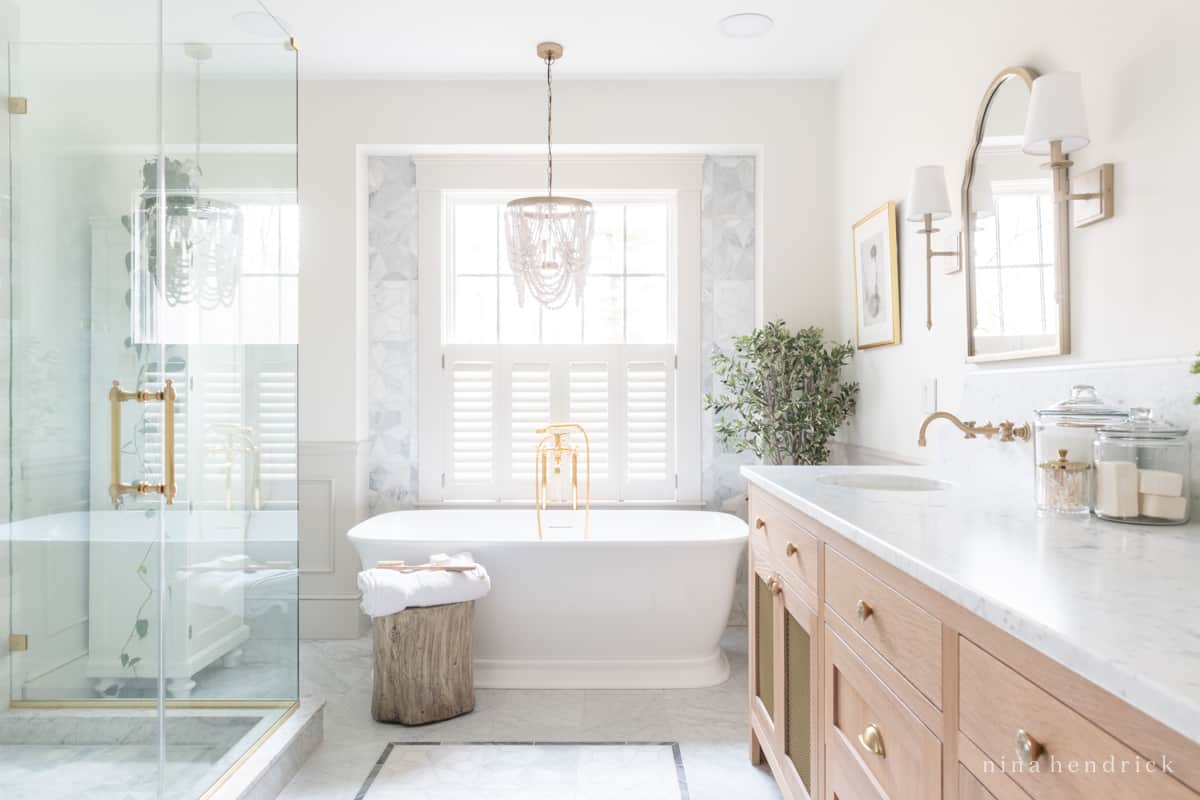
Remodeling a lavatory is a substantial investment funds that can bring both esthetic and usefulness upgrades to your home. It is a envision that can cater a high bring back on investment funds, step-up the value of your property, and drastically better your subroutine. Whether you are looking to modernise your priv or simply make it more realistic and efficient, a lav redo can be a transformative home melioration picture. In this clause, we will hash out the benefits of toilet remodeling and some key factors to consider before start your picture.

One of the main benefits of toilet remodeling is the step-up in home value. According to the National Association of Realtors, priv remodels have one of the highest returns on investment funds among home melioration projects. A well-designed and updated bathroom can significantly add value to your prop and help draw i potency buyers if you ever resolve to sell your home. Additionally, a remodeled john can make your home more appealing to potency renters, incorporative your rental income if you have a renting prop.

Aside from the commercial enterprise benefits, a bathroom remodel can also raise the functionality and solace of your home. Today 39;s bathrooms are not just for staple needs; they are also spaces for repose and rejuvenation. By upgrading your lavatory, you can create a indulgent spa-like experience in the soothe of your own home. Whether it is adding a soak tub, a rain shower down, or heated floors, a remodeled bathroom can greatly ameliorate your daily routine and add to your life.

Another material factor out to consider for lavatory remodeling is energy . With advancements in engineering science, Bodoni john fixtures and appliances are more vim-efficient and eco-friendly than ever before. By upgrading to low-flow toilets, irrigate-saving showerheads, and vitality-efficient lighting, you can save on your utility bills and reduce your carbon footmark. Additionally, energy-efficient upgrades can also make your home more attractive to potency buyers, as they are becoming progressively related to with sustainability.

When it comes to Bathroom renovations TX , one of the most vital is design. It is essential to strike the right poise between functionality, esthetics, and your personal title. The plan of your toilet should shine your needs and preferences while also complementing the overall plan of your home. A professional person remodeler can help you create a usage plan that maximizes the available space, incorporates your desired features, and girdle within your budget.

In addition to plan, it is crucial to cautiously consider the materials and products used in your lav remodel. Quality materials not only add to the overall appearance of your john but can also increase its strength and seniority. For example, choosing irrigate-resistant materials such as tiles or stone for your floor and walls can keep irrigate and the growth of mold and mold. When selecting products such as faucets, sinks, and countertops, it is fundamental to poise esthetics with functionality and enduringness.

Before starting your can remodeling imag, it is essential to have a philosophical theory budget in mind. This will help you the telescope of your project and see to it that your expenses stay within your substance. It is also requisite to plan for unexpected and have some joggle room in your budget for any sudden issues that may rise during the remodeling work.

In termination, priv remodeling is a transformative home improvement picture that offers a concourse of benefits. It can step-up the value of your property, heighten the functionality and solace of your home, and put up to vim efficiency and sustainability. However, it is necessity to carefully consider factors such as design, materials, and budget before start your picture. With proper preparation and the help of a professional person remodeler, you can make the lav of your dreams that not only meets your needs but also adds value to your home.

How To Improve Your Soil For Gardening?How To Improve Your Soil For Gardening?

Transforming your backyard into a lush, thriving sanctuary begins beneath the surface. How to improve your soil for gardening is not just a mundane task—it’s the secret alchemy that turns seeds into flourishing blooms and crisp vegetables. Imagine rich, dark, crumbly soil that cradles roots like a warm embrace, teeming with nutrients and life. That’s the foundation every successful gardener dreams of. Yet, many falter because they underestimate the importance of soil preparation, unaware that even the most exquisite plants struggle in depleted or compacted ground.

The good news? With the right gardening tips, anyone can rejuvenate their soil and witness nature’s miracles unfold. From simple composting techniques to integrating natural amendments, there are transformative steps that invigorate the earth, enhance water retention, and boost fertility. Envision your garden producing more vibrant flowers, healthier vegetables, and stronger, resilient plants—all because the soil beneath them was given the attention it deserves.

Understanding Your Soil: The Foundation of Success

Before you can improve your soil, you must understand its current state. Soil is a complex mixture of minerals, organic matter, air, and water. Its composition affects drainage, nutrient availability, and plant health. Here are the main soil types and their characteristics:

1. Sandy Soil

Sandy soil drains quickly but struggles to retain nutrients. Plants may require more frequent watering and fertilization.

2. Clay Soil

Clay soil holds water well but may become compacted, making it hard for roots to grow. It can lead to waterlogging if not properly amended.

3. Loamy Soil

Loam is ideal for most plants, combining drainage and nutrient retention. Loam contains a balanced mix of sand, silt, and clay.

4. Silty Soil

Silty soil is smooth and retains moisture well but may require organic matter to improve aeration.

Soil Testing: The First Step

Before making changes, conduct a soil test. This will help identify pH levels, nutrient deficiencies, and potential contaminants. You can buy a soil test kit or send a sample to a local agricultural extension office. A simple test will tell you if your soil is acidic, alkaline, or neutral, which informs the type of amendments needed.

Building Fertility: Organic Matter and Nutrients

Healthy soil is rich in organic matter. Organic matter improves soil structure, water retention, and nutrient availability. Here’s how to enhance fertility:

1. Composting

Compost is decomposed organic material that provides essential nutrients for plants. You can create compost from kitchen scraps, leaves, grass clippings, and plant trimmings. Add compost regularly to your soil to improve its texture and fertility.

Gardening Tip: Apply a 2-3 inch layer of compost on top of your garden beds each season.

2. Green Manure

Green manure involves planting cover crops such as clover, rye, or legumes and then tilling them into the soil. This process adds nitrogen, improves structure, and prevents erosion.

3. Mulching

Mulch protects the soil from extreme temperatures, reduces water evaporation, and slowly breaks down to add organic matter. Use materials like straw, shredded bark, or leaf litter.

4. Fertilizers

Natural fertilizers, like bone meal, blood meal, or fish emulsion, provide targeted nutrients. Avoid over-fertilizing, which can harm soil microbes and plants.

Adjusting Soil pH for Optimal Growth

Soil pH affects nutrient availability. Most plants thrive in slightly acidic to neutral soil (pH 6.0–7.0).

1. Raising Soil pH

If your soil is too acidic, add lime (ground limestone). This gradually neutralizes acidity and makes nutrients more accessible to plants.

2. Lowering Soil pH

If your soil is too alkaline, incorporate sulfur, peat moss, or pine needles to lower the pH. Monitor pH levels regularly to maintain balance.

Improving Soil Structure

Soil structure refers to how particles are arranged. Compacted soil limits root growth, water infiltration, and microbial activity. Here’s how to improve it:

1. Aeration

For compacted soil, use a garden fork or aerator to loosen it. Aeration increases oxygen flow to roots and encourages healthy microbial activity.

2. Sand and Organic Blends

Sandy soil benefits from organic matter, while clay soil may require sand and compost to improve drainage and texture. Proper blending ensures better root penetration and water absorption.

3. Avoiding Over-tilling

Excessive tilling can destroy soil structure. Loosen soil just enough to allow roots to grow without disrupting the natural layering of microbes.

Enhancing Microbial Life

Soil is alive with bacteria, fungi, and other microorganisms. Healthy microbial activity helps break down organic matter and release nutrients.

1. Mycorrhizal Fungi

These fungi form symbiotic relationships with plant roots, enhancing nutrient uptake, especially phosphorus. You can add mycorrhizal inoculants to your soil for better plant health.

2. Beneficial Bacteria

Bacteria such as nitrogen-fixing Rhizobium improve soil fertility naturally. Introducing compost and organic matter encourages these beneficial organisms.

3. Avoid Chemicals

Avoid using harsh chemical pesticides and fertilizers that can kill beneficial microbes. Opt for organic alternatives whenever possible.

Water Management: The Unsung Hero

Proper water management is crucial for healthy soil. Both overwatering and underwatering can degrade soil quality.

1. Improve Drainage

Ensure garden beds are slightly raised to prevent waterlogging. Installing French drains or using raised beds can help.

2. Watering Techniques

Drip irrigation or soaker hoses provide consistent moisture without disturbing soil structure. Water early in the morning to reduce evaporation and fungal growth.

3. Mulch for Moisture Retention

Mulching not only adds organic matter but also helps maintain soil moisture and prevents erosion.

Seasonal Soil Care

Soil improvement is an ongoing process. Adapting your methods to seasonal changes ensures year-round fertility.

Spring

  • Apply compost and fertilizers before planting.

  • Test pH and adjust if necessary.

  • Aerate compacted soil to prepare for planting.

Summer

  • Mulch to retain moisture and regulate temperature.

  • Monitor soil moisture to prevent drying.

  • Continue adding organic matter to raised beds.

Fall

  • Plant cover crops or green manure.

  • Remove debris and fallen leaves to prevent disease.

  • Apply compost for winter enrichment.

Winter

  • Protect soil with mulch or cover crops.

  • Avoid foot traffic that compacts frozen soil.

  • Plan amendments and crop rotations for the next season.

Specific Soil Improvement Techniques

1. Raised Beds

Raised beds provide better drainage, reduce soil compaction, and allow precise control over soil composition. Fill beds with a mix of topsoil, compost, and sand for optimal fertility.

2. Sheet Mulching

Layering cardboard, compost, and mulch directly on the garden floor suppresses weeds, retains moisture, and gradually improves soil as the layers decompose.

3. No-Dig Gardening

This method minimizes soil disturbance while adding organic matter on top. Over time, it creates rich, loamy soil full of beneficial microbes.

4. Crop Rotation

Rotating crops prevents nutrient depletion and reduces soil-borne diseases. Plant nitrogen-fixing legumes one season, followed by leafy greens or root vegetables.

Tools to Aid Soil Improvement

Using the right tools can make soil improvement easier and more efficient. Essential tools include:

  • Garden fork or spade for aeration.

  • Soil tester for pH and nutrient levels.

  • Compost bin or tumbler for organic matter.

  • Mulching materials like straw or bark.

  • Watering systems such as drip irrigation or soaker hoses.

Common Soil Problems and How to Fix Them

1. Compacted Soil

  • Aerate using a fork or aerator.

  • Add organic matter to loosen soil.

2. Poor Drainage

  • Incorporate sand and organic matter.

  • Use raised beds or contour planting.

3. Nutrient Deficiency

  • Add compost or organic fertilizers.

  • Rotate crops to naturally replenish nutrients.

4. Acidic or Alkaline Soil

  • Adjust pH with lime or sulfur as needed.

  • Regular testing ensures balance.

5. Erosion

  • Plant ground covers or cover crops.

  • Use mulch to protect soil from wind and water.

Long-Term Soil Care Strategies

Improving soil is not a one-time effort—it’s an ongoing commitment. Here are strategies for long-term success:

  • Regular Soil Testing: Test every 1–2 years to track nutrient levels.

  • Continuous Composting: Keep a compost system active year-round.

  • Integrated Pest Management: Minimize chemical use and encourage beneficial insects.

  • Crop Rotation: Maintain soil fertility and reduce disease buildup.

  • Mulching and Cover Crops: Protect soil, retain moisture, and enhance organic matter.

By following these strategies, your soil will become self-sustaining, resilient, and rich in nutrients. Plants grown in healthy soil are naturally more resistant to pests and diseases, require less watering, and yield higher-quality produce and flowers.

Expert Gardening Tips to Maximize Soil Health

  1. Use organic amendments rather than synthetic fertilizers.

  2. Introduce companion planting to improve soil fertility naturally.

  3. Avoid excessive tilling to preserve soil structure.

  4. Test soil regularly and adjust pH as needed.

  5. Rotate crops annually to maintain nutrient balance.

  6. Incorporate green manure or cover crops during off-seasons.

  7. Apply mulch in thick layers to protect soil and retain moisture.

  8. Encourage beneficial soil organisms through compost and minimal chemical use.

  9. Practice drip irrigation to provide consistent moisture.

  10. Keep a journal to track soil amendments, planting success, and seasonal changes.

These gardening tips ensure that soil improvement efforts are sustainable and effective.

Conclusion

Healthy soil is the lifeblood of any thriving garden. Improving soil quality requires understanding its composition, enriching it with organic matter, maintaining proper pH, enhancing microbial life, managing water, and protecting it seasonally. By implementing these strategies, you can transform even the most challenging soil into a fertile, nutrient-rich environment that supports vibrant plants year-round.

Remember, gardening is a journey of continuous learning. Regular soil testing, composting, mulching, and mindful watering practices ensure long-term success. Applying the gardening tips in this guide will not only improve your soil but also elevate your overall gardening experience.

Start small, stay consistent, and watch your soil—and your garden—flourish. A well-nurtured garden begins from the ground up, and with these proven techniques, you’ll be well on your way to creating a beautiful, thriving green space.

Home Design Ideas and Inspiration to Guide Your Remodeling Vision In BellevueHome Design Ideas and Inspiration to Guide Your Remodeling Vision In Bellevue

LevelOff Home Remodeling Bellevue: Your Expert Partner in Home Transformation

Are you envisioning a fresh, stylish, and functional space but feel overwhelmed about where to start? Home remodeling can be both thrilling and intimidating. With the right guidance, though, you can turn your dreams into a reality. At LevelOff Home Remodeling Bellevue, we specialize in helping homeowners craft spaces that reflect their style and enhance their lifestyle. Whether you’re looking to modernize your kitchen, upgrade your bathroom, or redefine your living spaces, we’re here to make it happen. Let’s explore detailed ideas and inspirations to guide your remodeling vision.

Why Home Remodeling is a Valuable Investment

Your home is more than just four walls—it’s a reflection of who you are. Remodeling isn’t just about improving appearances; it’s about making your home work better for your needs while increasing its overall value.

  1. Enhanced Functionality: Remodeling transforms underutilized spaces into functional, practical areas. Imagine converting a dusty basement into a vibrant home theater or a guest suite.
  2. Increased Home Value: Upgrading kitchens, bathrooms, and living areas not only improves your quality of life but also boosts your property’s resale value.
  3. Energy Efficiency: Remodeling often includes modern upgrades like energy-efficient windows, appliances, and lighting, which save money in the long run.
  4. Personalization: Remodeling allows you to infuse your personality and style into every corner of your home.

Key Factors to Consider Before Starting Your Home Remodel

Before jumping into your remodeling project, there are a few crucial factors to consider:

1. Define Clear Goals

What do you want from this remodel? Are you seeking a modern kitchen with ample storage or a cozy bathroom retreat? Clearly defining your goals will keep the project on track.

2. Set a Budget

Home remodeling can be as luxurious or budget-friendly as you want. Work with a professional to establish a budget that aligns with your vision and avoids unexpected costs.

3. Partner with Professionals

Choosing experienced contractors like LevelOff Home Remodeling Bellevue ensures your project is completed on time, on budget, and to the highest standards.

Room-by-Room Home Remodeling Inspiration

Each room in your home has unique potential. Here’s a closer look at how you can breathe new life into every space:

Kitchen Remodeling Ideas

The kitchen is the heart of your home, and a well-designed kitchen can elevate your daily routine.

  1. Open-Concept Layouts: Knock down barriers to connect your kitchen with dining and living areas, making it a seamless space for entertaining.
  2. Bold Backsplashes: Experiment with vibrant colors, intricate patterns, or textured tiles to add a personal touch to your kitchen.
  3. Smart Storage Solutions: Think pull-out shelves, hidden cabinets, or even a pantry wall to keep everything organized and accessible.

Bathroom Remodeling Inspiration

Bathrooms are more than functional spaces—they’re your private retreat.

  1. Spa-Like Showers: Incorporate luxurious features like rainfall showerheads, steam options, or sleek glass enclosures for a serene experience.
  2. Freestanding Tubs: These timeless additions exude elegance and provide a relaxing escape after a long day.
  3. Enhanced Storage: Built-in shelves and vanity drawers ensure everything has its place, keeping your bathroom clutter-free.

Living Room Design Tips

Your living room is where you gather, entertain, and relax. It should feel inviting and stylish.

  1. Custom Built-In Shelving: Display your cherished books, photos, and decor with built-ins tailored to your space.
  2. Statement Lighting: A bold chandelier or sculptural floor lamp can instantly elevate the mood of the room.
  3. Cozy Accents: Incorporate textured rugs, layered throws, and plush cushions for a warm and welcoming vibe.

Bedroom Remodeling Ideas

Bedrooms are your sanctuary, and they should feel serene and rejuvenating.

  1. Walk-In Closets: Upgrade your storage game with custom walk-ins designed for organization and luxury.
  2. Accent Walls: A bold color or textured wallpaper can add depth and character to your bedroom.
  3. Smart Lighting: Install dimmers or bedside sconces to create the perfect ambiance for relaxation or reading.

Basement Remodeling Inspiration

Often overlooked, basements offer endless possibilities for functional and creative transformations.

  1. Home Theater: Create a cinematic experience with comfy seating, a projector, and surround sound.
  2. Guest Suite: Add a bathroom and kitchenette to turn your basement into a private guest retreat.
  3. Home Gym: Rubber flooring, mirrors, and a sound system can make your basement the perfect workout space.

Outdoor Remodeling Ideas

Your outdoor spaces are extensions of your home, perfect for relaxation or entertainment.

  1. Outdoor Kitchens: Equip your backyard with a grill, sink, and dining area to create a space for al fresco dining.
  2. Fire Pits: Bring people together on chilly evenings with a warm and inviting fire pit.
  3. Multi-Level Decks: Create depth and functionality with tiered decks for lounging, dining, or gardening.

Trending Design Styles for Home Remodeling

Looking for a style that resonates with you? Here are some trending ideas:

  1. Modern Minimalism: Clean lines, neutral tones, and uncluttered spaces create a sleek, sophisticated look.
  2. Farmhouse Chic: Think rustic wood, cozy fabrics, and a welcoming ambiance.
  3. Industrial Elegance: Exposed brick, metal finishes, and reclaimed materials combine for a bold aesthetic.
  4. Mid-Century Modern: Retro-inspired furniture, pops of color, and geometric designs bring a nostalgic yet modern vibe.

Sustainable Home Remodeling Ideas

Want to go green? Remodeling is the perfect time to make eco-friendly choices:

  • Install energy-efficient windows and appliances to reduce utility bills.
  • Opt for materials like bamboo, reclaimed wood, or recycled countertops.
  • Incorporate solar panels or a rainwater harvesting system for sustainability.

The Role of Technology in Home Remodeling

Smart technology is a must-have for modern homes:

  • Smart Lighting: Control lights remotely or set schedules to save energy.
  • Home Security Systems: Keep your home safe with cameras, smart locks, and alarms.
  • Smart Appliances: From refrigerators to thermostats, tech-savvy upgrades improve efficiency.

How LevelOff Home Remodeling Bellevue Can Help

At LevelOff Home Remodeling Bellevue, we take pride in transforming houses into dream homes. Our process includes:

  1. Consultation: Understanding your goals and vision.
  2. Design: Crafting a detailed plan tailored to your style and needs.
  3. Execution: Bringing your vision to life with expert craftsmanship.
  4. Final Touches: Ensuring every detail exceeds your expectations.

FAQs

1. How long does a home remodeling project take?
The timeline depends on the project scope. Kitchens and bathrooms typically take a few weeks, while whole-home remodels may take several months.

2. How much does home remodeling cost?
Costs vary based on size, materials, and complexity. Contact LevelOff Home Remodeling Bellevue for a personalized estimate.

3. Can I live in my home during remodeling?
For smaller projects, staying at home is manageable. Larger renovations might require temporary relocation.

4. How do I choose the right contractor?
Look for experience, transparent pricing, and positive reviews. At LevelOff Home Remodeling Bellevue, we meet all these criteria.

5. What’s the first step in starting a remodeling project?
Schedule a consultation to discuss your needs and begin the design process.

Conclusion

Home remodeling is your chance to turn your house into the space you’ve always dreamed of. By blending creativity, functionality, and expertise, LevelOff Home Remodeling Bellevue helps you achieve a home that truly feels like yours. Ready to take the first step? Let’s create something amazing together!