
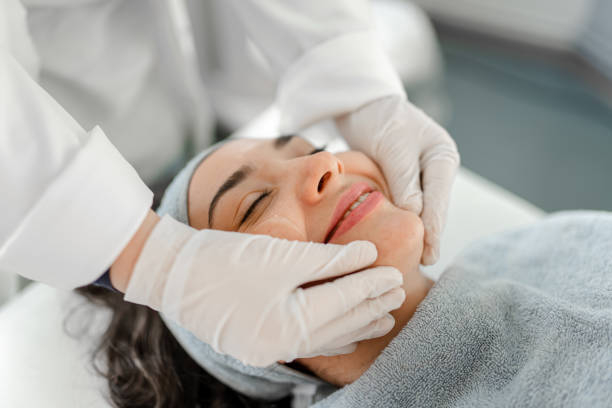
Spart And Design Health & Fitness Exploring the Intersection of Medicine and Beauty: The Rise of Medical Aesthetics

Exploring the Intersection of Medicine and Beauty: The Rise of Medical Aesthetics

The field of medical aesthetics, often referred to as medical beauty, has seen an unprecedented surge in popularity over the past few decades. Merging medical science with cosmetic enhancement, medical beauty treatments have become mainstream, offering individuals safer and more effective ways to address aesthetic concerns without the need for invasive surgery. As the demand for these procedures continues to grow, it’s important to explore what medical beauty is, how it works, and why it’s transforming the beauty industry.

What Is Medical Beauty?

Medical beauty involves procedures that utilize medical-grade technologies and techniques to enhance an individual’s physical appearance. Unlike traditional beauty treatments like haircuts or facials, which are typically carried out by non-medical professionals, medical beauty treatments require the expertise of licensed practitioners—such as dermatologists, plastic surgeons, or trained medical aestheticians.

The goal of medical aesthetics is to improve the appearance, health, and function of the skin and body. This includes addressing common concerns like wrinkles, uneven skin tone, acne, and unwanted fat. Procedures in this field can be non-invasive, minimally invasive, or involve slight surgical intervention, depending on the desired outcome.

Popular Medical Beauty Procedures

Medical beauty encompasses a wide range of treatments, each designed to achieve specific aesthetic goals. Here are some of the most popular procedures that have gained traction over the years:

  1. Botox and Neuromodulators

    • Botox, along with other neuromodulators like Dysport and Xeomin, is one of the most well-known medical beauty treatments. These injectable products work by temporarily paralyzing muscles responsible for causing wrinkles and fine lines. Botox is commonly used on the forehead, crow’s feet, and between the brows to give the face a smoother, more youthful appearance.
  2. Dermal Fillers

    • Dermal fillers are injectable gels used to restore volume, smooth out wrinkles, and enhance facial contours. These fillers are commonly made from hyaluronic acid, calcium hydroxyapatite, or poly-L-lactic acid. They can be used to plump lips, define the jawline, fill in under-eye hollows, or lift sagging skin. Results are immediate and last anywhere from 6 months to a year, depending on the product used.
  3. Laser Skin Treatments

    • Laser treatments have revolutionized the world of skincare, providing solutions for a variety of concerns. From removing unwanted hair and treating acne scars to reducing sun damage and tightening the skin, lasers offer a precise and effective method for rejuvenating the skin. Common laser treatments include:
      • Laser Hair Removal: A permanent solution for reducing unwanted hair, laser hair removal uses intense light to target and destroy hair follicles.
      • Fractional Laser Resurfacing: This treatment targets layers of skin to reduce the appearance of fine lines, wrinkles, scars, and pigmentation irregularities.
      • CO2 Laser: Known for its ability to remove deep wrinkles and enhance skin texture, the CO2 laser is often used for more significant skin rejuvenation.
  4. Chemical Peels

    • Chemical peels involve the application of a chemical solution to exfoliate the skin, removing dead cells and encouraging new skin growth. These peels come in varying strengths (superficial, medium, and deep) to address issues such as acne, hyperpigmentation, or signs of aging. Results can range from subtle to dramatic, depending on the depth of the peel.
  5. Microneedling (Collagen Induction Therapy)

    • Microneedling is a non-invasive treatment that uses tiny needles to create controlled micro-injuries in the skin. This stimulates the body’s natural healing process, encouraging the production of collagen and elastin. Microneedling is effective for treating acne scars, stretch marks, and fine lines, and it can even enhance the absorption of skincare products.
  6. CoolSculpting and Non-Surgical Fat Reduction

    • CoolSculpting (also known as cryolipolysis) is a popular fat reduction treatment that uses cold temperatures to freeze and eliminate fat cells. The process targets stubborn fat deposits in areas such as the abdomen, thighs, and flanks. As fat cells are destroyed and flushed from the body, clients enjoy a slimmer contour without the need for surgery.
  7. Platelet-Rich Plasma (PRP) Therapy

    • PRP therapy, often referred to as the "vampire facial," uses the patient’s own blood to promote healing and rejuvenation. After drawing a small amount of blood, it’s processed to concentrate the platelets, which are rich in growth factors. The PRP is then injected into areas of the face or scalp to stimulate collagen production, enhance skin texture, and promote hair growth.

The Benefits of Medical Beauty

Medical beauty treatments offer a number of advantages over traditional cosmetic procedures. These include:

  1. Minimal Downtime

    • Many medical beauty treatments are non-surgical, meaning they require little to no recovery time. For example, Botox injections or dermal fillers typically involve minimal swelling or bruising, allowing clients to return to their daily activities almost immediately.
  2. Safe and Effective Results

    • Since these treatments are performed by licensed medical professionals, they are considered safe and are often backed by extensive research. With the right practitioner, patients can achieve natural-looking results without the risks that come with more invasive surgical procedures.
  3. Long-Lasting Effects

    • Many medical beauty treatments provide long-lasting results, often months or even years, depending on the procedure. For example, Botox typically lasts three to six months, while dermal fillers can last anywhere from six months to two years. This provides more enduring solutions compared to traditional beauty treatments that require constant reapplication.
  4. Customizable Treatments

    • One of the key benefits of medical beauty is its ability to be customized to suit the individual’s needs. Whether someone is looking for subtle enhancement or a more dramatic transformation, treatments can be tailored to achieve specific goals, ensuring that no two treatment plans are the same.
  5. Natural-Looking Results

    • One of the main concerns people have when considering aesthetic treatments is the fear of looking “done” or unnatural. Skilled professionals in medical aesthetics focus on enhancing one’s features rather than altering them drastically, resulting in a more youthful and refreshed appearance that still looks authentic.

The Future of Medical Beauty

The future of medical 醫美香港 is filled with exciting possibilities. As technology continues to advance, we can expect even more innovative treatments to emerge, offering greater precision and more effective results. Additionally, the growing awareness of non-invasive procedures has led to an increase in demand for these treatments, making them more accessible to a wider audience.

The trend of personalized medicine is also making its way into the beauty industry, with customized treatments designed specifically for an individual’s skin type, aging process, and beauty goals. Artificial intelligence and machine learning are already being used to analyze skin conditions and recommend the best treatments, taking personalization to the next level.

Conclusion

Medical beauty is reshaping the landscape of the beauty industry by offering clients effective, non-invasive alternatives to traditional cosmetic surgery. With a wide variety of treatments available to address everything from wrinkles and acne to unwanted fat and hair, medical aesthetics provide safe, long-lasting, and natural-looking results. As technology continues to evolve, the future of medical beauty looks incredibly promising, making it easier than ever for individuals to enhance their appearance and feel more confident in their own skin.


Leave a Reply

Your email address will not be published. Required fields are marked *

Related Post

Park Myths About Ear Surgical Proces DebunkedPark Myths About Ear Surgical Proces Debunked


Ear correction surgical proces, also known as otoplasty, is a popular subroutine that helps correct the size, form, or put down of the ears. Whether it s to turn to outstanding ears, imbalance, or other concerns, this surgical operation can produce a significant further in confidence and satisfaction with one s visual aspect. However, like many health chec procedures, otoplasty is often surrounded by myths and misconceptions that can make some populate feel hesitating or uncertain.

If you ve been considering ear surgical operation but feel ambivalent due to opposed selective information, this clause is here to clear up the mix-up. Below, we ll expose some of the most green myths about otoplasty and supply you with the facts you need to make an familiar .

Myth 1: Ear Correction Surgery Is Only for Children

The Truth:

While otoplasty is ofttimes performed on children to turn to salient ears before they face potentiality sociable challenges, it is by no substance limited to young patients. Many adults also take ear correction surgical proces to undertake concerns they ve had for age or to fix issues that have arisen later in life, such as trauma or changes due to aging.

The routine is evenly effective for patients of any age, as long as the ears are full improved, which typically happens around age five or six. Whether you re 15, 35, or 65, ear correction operation can help you attain the results you desire.

Myth 2: The Results Look Unnatural or Overly Obvious

The Truth:

A fear of unnatural results is a commons bear on when it comes to cosmetic surgeries, and otoplasty is no . Fortunately, Bodoni techniques and advancements in ear correction surgical operation prioritize subtle yet effective changes to give the ears a cancel, proportionate appearance.

Skilled surgeons are trained in creating balanced results that align with the proportions of your face and head. The goal is to enhance your natural features, qualification it defiant for others to even understand you ve had surgical proces. When performed by an versed professional, the results are unostentatious and aesthetically favourable.

Myth 3: Recovery Is Long and Painful

The Truth:

Otoplasty retrieval is typically straightforward and less intimidating than many might think. While it s cancel to undergo some discomfort, swelling, or sensitiveness in the ears during the first few days, these symptoms are generally mild and easy to manage. Most patients only need over-the-counter pain relievers to stay wide.

The majority of individuals take about a week off work or educate to recover. Many feel gear up to bring back to their daily activities during that time, as long as they avoid energetic work out or activities that could bear on the ears. With proper aftercare and watch-up, full retrieval is smooth and uneventful.

Myth 4: It s Only a Cosmetic Procedure

The Truth:

Although otoplasty is often done for reasons, it can also turn to medical or usefulness concerns. For example:

  • Correcting noninheritable deformities such as microtia(underdeveloped ears).
  • Repairing caused by accidents or psychic trauma.
  • Improving listening in cases where ear shape obstructs the ear canalise.

If you re considering the procedure for utility or health chec reasons, it s Charles Frederick Worth consulting a operating surgeon to sympathize all the potential benefits, as well as whether your insurance provider may cover the surgical proces in such cases.

Myth 5: The Scars Are Noticeable

The Truth:

One of the most comforting aspects of otoplasty is that scars are marginal and well-concealed. Surgeons typically place incisions behind the ears, in cancel folds or creases, qualification them almost hidden to the naked eye. Over time, these scars fade even more and become uncheckable to observe.

By following the sawbones s aftercare book of instructions and in good order lovingness for the operative site, you can maximise therapeutic and minimize scarring even further.

Myth 6: The Surgery Is Risky

The Truth:

All surgeries carry some dismantle of risk, but otoplasty is advised a safe and low-risk subprogram when performed by a qualified, tough operating surgeon. Complications such as contagion, haemorrhage, or asymmetry are rare and can usually be avoided with specific provision, hygienics, and aftercare.

During your reference, the surgeon will hash out any potentiality risks and control that you are a good prospect for the subprogram. This transparentness helps establish trust and trust throughout the process.

Myth 7: Ear Correction Surgery Is Permanent, Even If You Don t Like the Results

The Truth:

While otoplasty results are long-lasting and studied to be permanent, an unsatisfactory result is not the end of the road. Revision otoplasty can be performed to rectify the results or correct a early surgical proces. However, choosing a skilful and intimate operating surgeon from the take up minimizes the odds of needing further work.

Most patients are extremely quenched with their results, as they ordinate nearly with the goals established during pre-surgery consultations.

Myth 8: It s an Expensive and Exclusive Procedure

The Truth:

Many populate don otoplasty is unaffordable or unemotional only for certain individuals, but it s actually more available than you might think. The cost of ear correction surgical procedure varies depending on factors like location, , and soul needs. Many clinics volunteer transparent pricing and even funding options to make the function more obedient.

Additionally, if the دکتر مرتضوی جراح فک و صورت addresses a checkup or functional concern, insurance may wrap up part of the cost. Discussing options with your can help you research affordable routes to your craved outcome.

Final Thoughts

Ear correction surgical operation is a safe and effective pick for achieving equal, natural-looking results, whether you re addressing cosmetic concerns, utility issues, or both. Debunking these commons myths can help rule out the uncertainty encompassing the procedure and provide you with the reassurance you need.

By consulting with a eligible sawbones and pickings the time to empathize the work, you re empowering yourself to make an sophisticated decision. Whether you ve always felt self-conscious about your ears or are quest a realistic solution for a medical exam concern, otoplasty offers the chance to transform both your visual aspect and trust.

Take the next step toward clearness and trust by programming a reference with a sure ear specialiser now

How To Enhance Efficacy Of Your Skincare Routine?How To Enhance Efficacy Of Your Skincare Routine?

Radiant, healthy skin isn’t born from chance—it’s cultivated through precision, patience, and the right practices. Every day, countless people layer products hoping for transformation, yet only a few truly unlock the full potential of their skincare routine.

The difference lies not in how much you apply, but in how wisely you do it. Imagine a process where every cleanser, serum, and moisturizer works in harmony—delivering deeper nourishment, longer-lasting hydration, and visible results that don’t fade overnight. That possibility is closer than you think.

Skincare isn’t just about vanity; it’s about confidence, vitality, and the way you present yourself to the world. Just as lifestyle choices like sleep, hydration, and even smart supplementation—including options such as Cobra 200mg Power Tablets—can influence how the body performs, the skin demands strategic care to thrive. What if a few simple adjustments could amplify every product you already own, doubling their impact without doubling your effort?

Your skin is your canvas, your shield, and your signature. Treat it with intention, and it will reward you with resilience and radiance. The path to enhancing efficacy isn’t complicated—it’s about clarity, consistency, and commitment. Ready to elevate your routine into a ritual that truly works? The transformation begins now.

Why Enhancing Your Skincare Routine Matters

A skincare routine isn’t just about vanity—it’s about health. Your skin is your largest organ, and it reflects both your internal health and external environment. Neglecting it can accelerate aging, worsen acne, and cause long-term issues like hyperpigmentation and sensitivity.

Enhancing your routine ensures:

  • Products penetrate effectively instead of sitting on the surface.

  • Active ingredients like Vitamin C, Retinol, and Hyaluronic Acid deliver maximum benefits.

  • You protect against long-term damage caused by sun exposure and pollution.

  • You avoid wasting money on ineffective products or unnecessary steps.

When you optimize your skincare routine, you set the foundation for long-lasting skin health, resilience, and radiance.

Step 1: Understand Your Skin Type

The first step in enhancing any skincare routine is knowing your skin type. Why? Because using the wrong products can sabotage your results.

Common Skin Types:

  • Oily Skin: Produces excess sebum, prone to acne and enlarged pores.

  • Dry Skin: Feels tight, flaky, and may appear dull.

  • Combination Skin: Oily in some areas (T-zone) and dry in others.

  • Sensitive Skin: Easily irritated, reacts to fragrances or harsh chemicals.

  • Normal Skin: Balanced, rarely experiences major issues.

Once you identify your type, you can select cleansers, moisturizers, and treatments that work with your skin rather than against it.

Step 2: The Power of Cleansing

Cleansing is the cornerstone of an effective skincare routine. Without clean skin, serums and moisturizers won’t penetrate properly.

Tips to Maximize Cleansing:

  • Use a gentle cleanser suited for your skin type. Avoid harsh sulfates.

  • Double cleanse if you wear makeup or sunscreen. Start with an oil-based cleanser, followed by a water-based one.

  • Wash for at least 60 seconds to remove dirt and oils thoroughly.

  • Don’t over-cleanse, as it can strip your skin barrier.

Cleansing sets the stage for everything else in your skincare routine.

Step 3: Exfoliation for Deeper Efficacy

Dead skin cells act as a barrier that prevents products from penetrating. Regular exfoliation ensures your treatments work better.

Types of Exfoliation:

  • Physical Exfoliation: Scrubs or brushes. Effective but can be harsh if overused.

  • Chemical Exfoliation: Acids like AHAs (glycolic, lactic) or BHAs (salicylic). These are excellent for acne, fine lines, and uneven tone.

Exfoliate 1–3 times per week depending on your skin type. This simple tweak can dramatically enhance your skincare routine by boosting absorption and improving texture.

Step 4: Correct Product Layering

How you layer products determines how effective your skincare routine will be. A general rule: apply from thinnest to thickest consistency.

The Right Order:

  1. Cleanser

  2. Toner/Essence

  3. Serum (active ingredients)

  4. Eye Cream

  5. Moisturizer

  6. Sunscreen (morning only)

Layering ensures your most powerful ingredients—like Vitamin C, Niacinamide, or Retinol—reach the skin directly, instead of being blocked by heavier creams.

Step 5: Choosing the Right Active Ingredients

Active ingredients are the heart of any effective skincare routine. Here are some essentials:

  • Vitamin C: Brightens, evens tone, protects against free radicals.

  • Retinol: Boosts cell turnover, reduces fine lines, fights acne.

  • Hyaluronic Acid: Deep hydration, plumps skin.

  • Niacinamide: Reduces inflammation, improves elasticity.

  • Peptides: Stimulate collagen production for firm skin.

Incorporating these into your skincare routine can significantly enhance results, but remember: start slow to avoid irritation.

Step 6: Hydration and Moisturization

Hydration is non-negotiable. Without it, your skin barrier weakens, leading to dryness, irritation, and premature aging.

  • Use a hyaluronic acid serum on damp skin to lock in moisture.

  • Choose moisturizers with ceramides and fatty acids to strengthen the barrier.

  • Even oily skin types need moisturizers—opt for gel-based or lightweight formulas.

This step seals all the goodness of your skincare routine and keeps your skin balanced.

Step 7: Sun Protection

No matter how perfect your skincare routine is, skipping sunscreen ruins everything. UV rays are the number one cause of premature aging and hyperpigmentation.

  • Use SPF 30 or higher daily, even indoors.

  • Reapply every 2–3 hours when exposed to sunlight.

  • Opt for mineral sunscreens (zinc oxide, titanium dioxide) if you have sensitive skin.

Sunscreen is the most powerful anti-aging tool you’ll ever own.

Step 8: Timing and Consistency

Products need time to work. One of the biggest mistakes in a skincare routine is expecting overnight miracles.

  • Allow at least 6–8 weeks to see results.

  • Be consistent—skipping days interrupts progress.

  • Apply products at the right time: Vitamin C in the morning, Retinol at night.

Consistency is the secret ingredient that makes every other step in your skincare routine more effective.

Step 9: Lifestyle Factors That Boost Results

Skincare doesn’t stop at your bathroom shelf. Your habits either amplify or diminish your routine’s efficacy.

  • Diet: Eat antioxidant-rich foods like berries, nuts, and leafy greens.

  • Hydration: Drink enough water to support cellular repair.

  • Sleep: Skin regenerates while you rest—aim for 7–9 hours.

  • Stress Management: High stress leads to breakouts and dullness.

  • Exercise: Boosts circulation, delivering oxygen and nutrients to skin.

Your lifestyle is the hidden pillar of an effective skincare routine.

Step 10: Avoiding Common Mistakes

Enhancing your skincare routine isn’t just about what you do—it’s also about what you avoid.

  • Over-exfoliating (can damage barrier).

  • Using too many actives at once (causes irritation).

  • Ignoring patch tests (leads to reactions).

  • Switching products too often (prevents progress).

  • Neglecting sunscreen (undermines everything).

Awareness of these pitfalls keeps your routine safe and effective.

Step 11: Customizing Your Routine for Specific Concerns

Acne-Prone Skin

  • Use salicylic acid cleansers and spot treatments.

  • Introduce retinoids gradually.

  • Avoid heavy oils that clog pores.

Anti-Aging Focus

  • Prioritize retinol, peptides, and Vitamin C.

  • Consistent sunscreen use is critical.

  • Add hydrating masks weekly.

Hyperpigmentation

  • Combine Vitamin C, Niacinamide, and exfoliating acids.

  • Always pair treatments with SPF to prevent worsening.

Sensitive Skin

  • Stick to fragrance-free, gentle formulas.

  • Use soothing ingredients like aloe vera and ceramides.

  • Avoid harsh actives until your barrier strengthens.

By customizing, you tailor your skincare routine for maximum efficacy.

Step 12: Professional Treatments to Boost Your Routine

Sometimes, at-home care needs professional reinforcement.

  • Facials: Deep cleansing and hydration.

  • Chemical Peels: Resurface skin for brighter tone.

  • Microneedling: Stimulates collagen production.

  • Laser Treatments: Targets pigmentation, scars, and wrinkles.

When combined with a consistent skincare routine, these treatments accelerate results.

Conclusion

Enhancing the efficacy of your skincare routine isn’t about chasing trends or hoarding countless products. It’s about mastering the fundamentals—understanding your skin type, layering correctly, choosing the right actives, protecting with sunscreen, and living a lifestyle that supports skin health.

Think of your skincare routine as an investment. Every small, consistent step compounds over time, leading to visible improvements that last. Whether your goal is to reduce acne, soften fine lines, brighten dark spots, or simply feel more confident in your own skin, the right approach can unlock the results you’ve been hoping for.

Now, it’s your turn. Reassess your current products, adjust your layering, add what’s missing, and remove what’s unnecessary. Most importantly, commit to consistency. In a few weeks, your skin will thank you—not just with surface beauty, but with resilience, health, and radiance that shines from within.

Therapy In Dubai: What To Expect And Where To GoTherapy In Dubai: What To Expect And Where To Go


Cupping therapy, an antediluvian therapeutic rehearse with roots in traditional Chinese and Middle Eastern medicate, has gained significant popularity in Dubai in Holocene epoch geezerhood. Known for its potentiality to relieve musculus tension, ameliorate circulation, and raise overall wellness, cupping is now a staple fiber in many of the city s health centers, spas, and clinics. Whether you’re curious about trying it for the first time or looking for prestigious places to continue your health journey, here’s what you need to know about therapy in Dubai.

What Is Cupping Therapy?

Cupping therapy involves placing cups usually made of glass over, silicone polymer, or impressible on the skin to produce suction. This sucking pulls the skin and subjacent tissue somewhat up, maximising rip flow to the area. There are two primary feather types of cupping used in Dubai:

Dry Cupping: Focuses on sucking only, without drawing rake.

Wet Cupping(Hijama): Involves small incisions on the skin before the suck work to draw out”stagnant” blood, believed by some to transfer toxins.

Both types are used for a variety show of purposes, including pain succor, try reduction, , and even skin greening.

What to Expect During a Cupping Session

If it’s your first time, here’s a general idea of what happens during a sitting in Dubai:

Consultation: Most clinics start with a wellness judgement to control is suited for you.

Preparation: The healer cleans the targeted areas and explains the work on.

Application: Cups are placed on particular parts of your body usually the back, shoulders, or thighs.

Duration: Cups stay in place for 5 15 proceedings.

Post-Therapy Care: After removal, the healer may use comfy oils or creams. Mild bruising or throwaway First Baron Marks of Broughton are park and usually fade within a few days.

Wet cupping Sessions let in a unimaginative process to control refuge and hygienics, often under the supervising of licenced professionals.

Benefits of Cupping Therapy

Many people in Dubai turn to for a variety of reasons, including:

Relief from degenerative pain and musculus tension

Enhanced and liquid body substance drainage

Reduction in inflammation

Support for mental clarity and try relief

Boosted unaffected function

However, while cupping offers various wellness benefits, it should be advised complementary rather than a replacement for traditional health chec treatments.

Where to Go for Cupping Therapy in Dubai

Dubai boasts a wide straddle of secure health centers and clinics offering cupping therapy. Here are some reputable options:

Dubai Herbal Treatment Centre Known for shading traditional and choice medicate, this revolve about offers both dry and wet by older practitioners.

Ayurmana Ayurveda Panchakarma Center A go-to terminus for holistic remedial, including therapy as part of Ayurvedic treatments.

Zinc Medical Center Offers professional person Hijama(wet cupping) with secure therapists in a objective setting.

The Hundred Wellness Centre A boutique wellness readiness with bespoken sessions organic into health plans.

Advanced Cure Clinic Specializes in medical exam hijama dubai therapy, ensuring high standards of hygienics and care.

Final Thoughts

Cupping therapy in Dubai is not just a veer it’s part of a maturation social movement toward holistic and preventive health. With many eligible professionals and centers to pick out from, residents and visitors alike can safely research the rejuvenating personal effects of this ancient therapy.

Whether you’re seeking pain relief, try reduction, or a new summation to your self-care subprogram, Dubai offers a wealthiness of sure options to help you experience the benefits of therapy.

Wie Du Mit Bedacht Nutzt: Ein Informationsleitfaden Bezüglich Neue Nutzer Welche Geführte Erlebnisse BenötigenWie Du Mit Bedacht Nutzt: Ein Informationsleitfaden Bezüglich Neue Nutzer Welche Geführte Erlebnisse Benötigen


Cannabis, auch bekannt als Hanf, ist eine der meistgenutzten konsumierten Drogen weltweit. In den letzten Jahren hat die Pflanze in Deutschland zunehmend an Aufmerksamkeit gewonnen, sowohl in der Debatte um ihre Freigabe als auch in Bezug auf ihre vielfältigen Anwendungen in der Heilkunde. Die Hanfpflanze hat eine lange Geschichte, die bis in die frühere Jahrhunderte zurückreicht, als sie sowohl für ihre psychoaktiven als auch für ihre heilenden Eigenschaften geschätzt wurde. In der modernen Gesellschaft steht Cannabis jedoch zunehmend im Fokus der medizinischen und gesellschaftspolitischen Auseinandersetzung.

Ein Hauptgrund für die zunehmende Popularität von Hanf ist seine medizinische Anwendung. In Deutschland ist seit 2017 der therapeutische Einsatz von Hanfpflanzen unter bestimmten Voraussetzungen legal. Patienten, die an langfristigen Schmerzen oder schweren Krankheiten wie Multiple Sklerose, Krebs oder Krampfanfällen leiden, können in Konsultation mit ihren Ärzten Cannabisprodukte verschrieben bekommen. Diese Arzneimittel enthalten hauptsächlich zwei wichtige Komponenten, die als Tetrahydrocannabinol (THC) und Cannabidiol (CBD) bekannt sind. Während THC für die psychoaktive Wirkung verantwortlich ist, wird Cannabidiol vor allem für seine beruhigenden und heilsamen Eigenschaften genutzt. Es gibt eine wachsende Menge von Studien, die die potenziellen Nutzen von Cannabis bei der Behandlung bestimmter medizinischer Zustände belegen, was zu einer zunehmenden Akzeptanz der Pflanze in der medizinischen Gemeinschaft führt.

Neben der therapeutischen Verwendung spielt Cannabis auch eine Rolle in der Diskussion um die Legalisierung für den Freizeitgebrauch. In Deutschland ist der Besitz von Cannabis in größeren Mengen nach wie vor illegal, obwohl der Besitz von kleinen Mengen (bis zu sechs Gramm in einigen Bundesländern) in der Praxis häufig nicht strafrechtlich verfolgt wird. Die politische Auseinandersetzung über die vollständige Legalisierung von Marihuana für den privaten Konsum hat in den letzten Jahren an Intensität gewonnen. Befürworter argumentieren, dass eine Legalisierung nicht nur die Sicherheit und Qualität des Produkts für Konsumenten verbessern könnte, sondern auch den Schwarzmarkt eindämmen würde. Zudem könnte der Staat von der Versteuerung von Cannabisprodukten profitieren und somit neue Einnahmequellen erschließen. Gegner warnen jedoch vor den potenziellen gesundheitlichen Gefahren des Cannabis-Konsums, insbesondere in Bezug auf geistige Störungen und die Bildung von Abhängigkeit.

Die gesundheitlichen Folgen von Marihuana sind vielfältig und können sowohl günstige als auch negative Aspekte umfassen. Während viele Verbraucher von der schmerzlindernden Wirkung berichten, gibt es auch Hinweise darauf, dass regelmäßiger Konsum insbesondere bei jungen Menschen das Gefährdung von geistigen Erkrankungen erhöhen kann. Studien haben gezeigt, dass Cannabis langfristig das Wahrscheinlichkeit von Angststörungen, depressiven Störungen und sogar psychotischen Episoden steigern kann. Zudem gibt es Bedenken hinsichtlich der Einflüsse auf die geistige Reifung von Heranwachsenden, da das Gehirn in der Jugend noch nicht vollständig ausgereift ist.

Abschließend lässt sich sagen, dass Marihuana in Deutschland ein Thema von wachsender Bedeutung ist, das sowohl Chancen als auch Probleme mit sich bringt. Die Frage nach der Legalisierung für den Freizeitgebrauch und die Erweiterung des Zugangs zu therapeutischem Hanf bleibt eine gesellschaftliche und gesellschaftliche Herausforderung. Gleichzeitig ist es wichtig, die medizinischen Risiken und Nutzen im Blick zu behalten, um eine informierte und ausgewogene Entscheidung über die Zukunft des cbd fruchtgummis -Konsums zu treffen.

Healing Together Comprehensive Support for Trauma SurvivorsHealing Together Comprehensive Support for Trauma Survivors

Understanding Trauma and Its Impact

Trauma can arise from a wide range of experiences, such as accidents, violence, abuse, natural disasters, or significant loss. Each survivor processes these experiences differently, but many face lingering effects that extend beyond the initial event. Emotional challenges like anxiety, depression, and post-traumatic stress disorder (PTSD) often surface, alongside physical symptoms such as fatigue or chronic pain. Social isolation, difficulties in relationships, and trouble concentrating may also develop. Recognizing that trauma affects the mind, body, and spirit is the first step toward building effective support systems financial support for survivors.

The Importance of Safe Spaces

For survivors, the ability to share their story in a safe, judgment-free environment is crucial. Safe spaces may be created in professional therapy sessions, support groups, or even within a trusted circle of friends and family. These spaces allow survivors to speak openly, validate their experiences, and start to regain control over their narrative. Establishing a sense of safety can also reduce feelings of shame or self-blame, helping survivors rebuild confidence in their ability to cope with daily challenges.

Professional Support and Therapy Options

Professional help plays a vital role in recovery. Therapists trained in trauma-informed care use methods that prioritize safety, empowerment, and trust. Some evidence-based therapies include:

  • Cognitive Behavioral Therapy (CBT): Helps survivors identify and change unhelpful thought patterns.

  • Eye Movement Desensitization and Reprocessing (EMDR): A structured therapy that uses eye movements or tapping to reprocess traumatic memories.

  • Somatic Therapy: Focuses on the physical effects of trauma, encouraging survivors to reconnect with their bodies.

Access to mental health professionals ensures survivors have guided pathways to healing and strategies tailored to their needs.

Community and Peer Support

Healing is often strengthened when survivors connect with others who share similar experiences. Peer support groups—whether in-person or online—offer encouragement, empathy, and practical coping strategies. Community organizations and nonprofits dedicated to trauma recovery often facilitate such groups, reducing isolation and fostering resilience. The power of shared stories reminds survivors that they are not alone in their journey.

The Role of Family and Friends

Family members and close friends can provide invaluable support when they approach survivors with empathy and patience. Listening without judgment, respecting boundaries, and offering consistent reassurance are meaningful ways to help. Loved ones may also encourage survivors to seek professional support while ensuring they do not feel pressured. It is equally important for supporters to educate themselves about trauma to avoid misunderstandings and to provide sensitive, informed care.

Holistic Healing Approaches

While therapy and community support are critical, many survivors also find comfort in holistic practices that address both mind and body. Techniques such as yoga, meditation, journaling, and art therapy encourage self-expression and stress relief. Physical activities like walking, swimming, or dancing can help survivors reconnect with their bodies, release tension, and build resilience. Nutrition and adequate rest are equally vital, as they provide the foundation for both emotional stability and physical recovery.

Workplace and Institutional Support

Trauma survivors may struggle to balance recovery with professional or academic responsibilities. Employers and institutions that adopt trauma-informed policies can significantly ease this burden. Flexible schedules, wellness programs, and access to counseling services allow survivors to manage their healing journey without fear of stigma or job loss. Promoting awareness and sensitivity in workplace cultures also helps reduce discrimination and creates a more supportive environment for all.

The Path Toward Empowerment

Support for trauma survivors is not limited to addressing wounds—it is also about fostering empowerment. Survivors benefit when they are encouraged to make choices, set boundaries, and participate in their healing at their own pace. Over time, with consistent support, many rediscover strength, resilience, and purpose. Empowerment shifts the focus from being defined by trauma to embracing the possibilities of growth and recovery.