

Spart And Design Health & Fitness Wie Du Mit Bedacht Nutzt: Ein Informationsleitfaden Bezüglich Neue Nutzer Welche Geführte Erlebnisse Benötigen

Wie Du Mit Bedacht Nutzt: Ein Informationsleitfaden Bezüglich Neue Nutzer Welche Geführte Erlebnisse Benötigen


Cannabis, auch bekannt als Hanf, ist eine der meistgenutzten konsumierten Drogen weltweit. In den letzten Jahren hat die Pflanze in Deutschland zunehmend an Aufmerksamkeit gewonnen, sowohl in der Debatte um ihre Freigabe als auch in Bezug auf ihre vielfältigen Anwendungen in der Heilkunde. Die Hanfpflanze hat eine lange Geschichte, die bis in die frühere Jahrhunderte zurückreicht, als sie sowohl für ihre psychoaktiven als auch für ihre heilenden Eigenschaften geschätzt wurde. In der modernen Gesellschaft steht Cannabis jedoch zunehmend im Fokus der medizinischen und gesellschaftspolitischen Auseinandersetzung.

Ein Hauptgrund für die zunehmende Popularität von Hanf ist seine medizinische Anwendung. In Deutschland ist seit 2017 der therapeutische Einsatz von Hanfpflanzen unter bestimmten Voraussetzungen legal. Patienten, die an langfristigen Schmerzen oder schweren Krankheiten wie Multiple Sklerose, Krebs oder Krampfanfällen leiden, können in Konsultation mit ihren Ärzten Cannabisprodukte verschrieben bekommen. Diese Arzneimittel enthalten hauptsächlich zwei wichtige Komponenten, die als Tetrahydrocannabinol (THC) und Cannabidiol (CBD) bekannt sind. Während THC für die psychoaktive Wirkung verantwortlich ist, wird Cannabidiol vor allem für seine beruhigenden und heilsamen Eigenschaften genutzt. Es gibt eine wachsende Menge von Studien, die die potenziellen Nutzen von Cannabis bei der Behandlung bestimmter medizinischer Zustände belegen, was zu einer zunehmenden Akzeptanz der Pflanze in der medizinischen Gemeinschaft führt.

Neben der therapeutischen Verwendung spielt Cannabis auch eine Rolle in der Diskussion um die Legalisierung für den Freizeitgebrauch. In Deutschland ist der Besitz von Cannabis in größeren Mengen nach wie vor illegal, obwohl der Besitz von kleinen Mengen (bis zu sechs Gramm in einigen Bundesländern) in der Praxis häufig nicht strafrechtlich verfolgt wird. Die politische Auseinandersetzung über die vollständige Legalisierung von Marihuana für den privaten Konsum hat in den letzten Jahren an Intensität gewonnen. Befürworter argumentieren, dass eine Legalisierung nicht nur die Sicherheit und Qualität des Produkts für Konsumenten verbessern könnte, sondern auch den Schwarzmarkt eindämmen würde. Zudem könnte der Staat von der Versteuerung von Cannabisprodukten profitieren und somit neue Einnahmequellen erschließen. Gegner warnen jedoch vor den potenziellen gesundheitlichen Gefahren des Cannabis-Konsums, insbesondere in Bezug auf geistige Störungen und die Bildung von Abhängigkeit.

Die gesundheitlichen Folgen von Marihuana sind vielfältig und können sowohl günstige als auch negative Aspekte umfassen. Während viele Verbraucher von der schmerzlindernden Wirkung berichten, gibt es auch Hinweise darauf, dass regelmäßiger Konsum insbesondere bei jungen Menschen das Gefährdung von geistigen Erkrankungen erhöhen kann. Studien haben gezeigt, dass Cannabis langfristig das Wahrscheinlichkeit von Angststörungen, depressiven Störungen und sogar psychotischen Episoden steigern kann. Zudem gibt es Bedenken hinsichtlich der Einflüsse auf die geistige Reifung von Heranwachsenden, da das Gehirn in der Jugend noch nicht vollständig ausgereift ist.

Abschließend lässt sich sagen, dass Marihuana in Deutschland ein Thema von wachsender Bedeutung ist, das sowohl Chancen als auch Probleme mit sich bringt. Die Frage nach der Legalisierung für den Freizeitgebrauch und die Erweiterung des Zugangs zu therapeutischem Hanf bleibt eine gesellschaftliche und gesellschaftliche Herausforderung. Gleichzeitig ist es wichtig, die medizinischen Risiken und Nutzen im Blick zu behalten, um eine informierte und ausgewogene Entscheidung über die Zukunft des cbd fruchtgummis -Konsums zu treffen.
Leave a Reply

Your email address will not be published. Required fields are marked *

Related Post

What To Expect During An Aba Therapy Session?What To Expect During An Aba Therapy Session?

Imagine walking into a space where structure meets compassion, where every moment is designed to spark growth and confidence. That is the essence of an ABA therapy session—a carefully crafted environment that transforms small steps into monumental victories. Families often wonder what truly happens behind those doors, and understanding the flow of a session can replace anxiety with clarity.

During each interaction, a trained therapist brings in a blend of precision and warmth. Short activities, rewards, and skill-building exercises may look simple, yet they are rooted in years of scientific research. The beauty lies in the personalization—no two sessions are identical, because every child’s needs, pace, and abilities are unique. This isn’t a rigid classroom; it’s a dynamic partnership designed to nurture communication, social skills, and independence.

Parents seeking support through Home-based ABA therapy India will find comfort in knowing that therapy often feels more like play than work, woven seamlessly into everyday routines. The journey is steady, patient, and remarkably transformative. Curiosity about the process is the first step; witnessing progress firsthand is the reward. The next step is uncovering exactly what to expect—and how each session can shape brighter possibilities for the future.

What is ABA Therapy?

ABA therapy, short for Applied Behavior Analysis, is a scientific approach to understanding and improving behavior. It focuses on how behavior works, how it’s affected by the environment, and how learning happens. In the context of autism therapy, ABA is widely used to teach communication, social, self-help, and academic skills, while also reducing challenging behaviors.

At its core, ABA therapy is about breaking down skills into small, manageable steps and teaching them in a structured yet flexible way. Progress is carefully measured, and strategies are adjusted based on data.

Why ABA Therapy Matters

Parents often ask: Why ABA therapy?

The reason is simple—decades of research have shown that ABA helps children with autism spectrum disorder (ASD) develop essential life skills. From learning to brush teeth independently to engaging in social play, ABA helps children build a foundation for lifelong success.

Key benefits of ABA therapy sessions include:

  • Improved communication (verbal and non-verbal).

  • Stronger social interactions.

  • Reduction of problem behaviors.

  • Better independence in daily living tasks.

  • Enhanced learning skills for school readiness.

What to Expect in an ABA Therapy Session

Every child’s session will look slightly different because ABA is individualized. However, there are core components and structures you can expect in most sessions.

Preparing for the Session

The Role of the Environment

The setting is carefully prepared to be distraction-free. Whether the therapy takes place at home, in a clinic, or in school, the environment is structured to encourage focus. Materials such as flashcards, toys, reinforcers (like stickers or small treats), and visual schedules are ready before the session begins.

Individualized Therapy Plan

Every child has a Behavior Intervention Plan (BIP) and Individualized Education Plan (IEP) goals. These guide what skills will be worked on. A Registered Behavior Technician (RBT) or ABA therapist follows this plan under the supervision of a Board Certified Behavior Analyst (BCBA).

Structure of an ABA Therapy Session

Pairing and Building Rapport

At the beginning, therapists often spend a few minutes “pairing.” This means engaging the child in fun activities or using preferred items to build a positive connection. The goal is to ensure the child associates therapy time with enjoyment rather than stress.

Skill Acquisition Programs

This is the heart of the session. The therapist works on targeted skills using strategies such as:

  • Discrete Trial Training (DTT): Skills are broken into small steps, practiced repeatedly, and reinforced. For example, teaching a child to identify colors one by one.

  • Natural Environment Teaching (NET): Skills are taught in a more natural play setting. For instance, asking the child to request a toy during play.

  • Pivotal Response Training (PRT): Focuses on motivation and encouraging initiations from the child.

  • Task Analysis & Chaining: Breaking down daily routines like handwashing into steps and teaching them gradually.

Behavior Management

If challenging behaviors occur, therapists follow the child’s behavior plan. This could include strategies like redirection, teaching alternative behaviors, or using reinforcement systems. The emphasis is always on positive reinforcement rather than punishment.

Data Collection

During the session, therapists constantly collect data. Every response—whether correct, incorrect, prompted, or independent—is recorded. This data helps track progress and informs adjustments in teaching methods.

Reinforcement

Positive reinforcement is a cornerstone of ABA therapy sessions. This could be verbal praise, a favorite toy, or a small snack. Reinforcement is used to encourage the child to repeat desired behaviors.

Generalization Practice

Skills are practiced in multiple settings and with different people to ensure the child can use them in real life, not just in therapy. For example, if a child learns to request “water” with the therapist, they’ll also practice asking parents or teachers.

The Flow of a Typical Session

While each session is unique, here’s a common flow you can expect:

  1. Warm-Up (Pairing/rapport building)

  2. Skill acquisition activities (structured and natural teaching)

  3. Short breaks with play or reinforcement

  4. Continuation of skill programs

  5. Behavior management strategies as needed

  6. Data recording and review

  7. Cool-down activity (fun closure)

  8. Parent feedback session

Sessions usually last between 2–4 hours, depending on the child’s program.

The Therapist’s Role

  • RBT (Registered Behavior Technician): Works directly with the child.

  • BCBA (Board Certified Behavior Analyst): Designs and supervises the program, makes data-driven adjustments, and trains parents.

  • Parents/Caregivers: Active participants who reinforce skills outside therapy sessions.

Parent Involvement in ABA Therapy

One of the most important aspects of ABA therapy is parent training. Parents are taught how to apply ABA strategies at home, ensuring consistency and faster progress. For example, a parent might learn how to prompt their child to use words at mealtimes or how to manage tantrums in public settings.

Challenges During ABA Sessions

It’s important to set realistic expectations. ABA therapy is not always smooth sailing. Some challenges include:

  • Initial resistance from the child.

  • Emotional moments during behavior interventions.

  • Slow progress in some skill areas.

The key is persistence, consistency, and trust in the process.

Common Misconceptions About ABA Therapy

  • ABA is robotic: In reality, modern ABA emphasizes natural learning and play.

  • ABA is only for young children: While early intervention is ideal, ABA can benefit people of all ages.

  • ABA is just about reducing bad behavior: The goal is skill building, communication, and independence.

Benefits of Knowing What to Expect

When parents and caregivers understand the structure of an ABA therapy session, they:

  • Feel more comfortable and confident.

  • Can reinforce learning at home.

  • Develop realistic expectations of progress.

  • Strengthen collaboration with therapists.

Tips for Parents to Maximize ABA Sessions

  • Be consistent: Reinforce skills at home.

  • Stay involved: Attend parent training sessions.

  • Ask questions: Don’t hesitate to ask your child’s therapist for clarification.

  • Celebrate small wins: Progress takes time.

Conclusion

An ABA therapy session is more than just structured learning—it’s a carefully designed journey tailored to your child’s needs. From building rapport and teaching new skills to managing behavior and reinforcing progress, every part of the session is intentional. Understanding what to expect empowers you as a parent or caregiver to support your child’s development beyond the therapy room.

ABA therapy isn’t a quick fix. It’s a long-term commitment that requires patience, consistency, and teamwork. But the rewards—improved communication, independence, and confidence—are priceless. By actively engaging with your child’s therapy journey, you’re not just preparing them for success in sessions, but for success in life.

7 Daily Habits for Unbeatable Mental Stamina7 Daily Habits for Unbeatable Mental Stamina

In today’s fast-paced world, mental stamina is as essential as physical strength. It allows you to stay focused, resilient, and calm even when challenges pile up. Just like muscles, the brain and mind require daily training to maintain peak performance. Developing mental stamina doesn’t happen overnight—it’s built through consistent habits that nourish your mind, body, and emotions.

This guide explores 7 Daily Habits for Unbeatable Mental Stamina that you can integrate into your lifestyle starting today. Each habit is simple yet powerful, grounded in science and practical application. By following them consistently, you’ll find yourself better equipped to handle stress, make smarter decisions, and sustain focus throughout the day, much like understanding the importance of evaluating the male organ pump price in Dubai before making a purchase.


Habit 1: Prioritize Quality Sleep

Sleep is the foundation of mental stamina. Without adequate rest, the brain struggles to concentrate, retain information, and regulate emotions. Studies show that adults need between seven to nine hours of uninterrupted sleep for optimal cognitive functioning.

Establishing a bedtime routine can dramatically improve sleep quality. This includes limiting screen time an hour before bed, keeping your bedroom cool and dark, and avoiding caffeine in the evening. Think of sleep as your brain’s repair cycle—it consolidates memory, restores energy, and strengthens mental resilience. By making sleep non-negotiable, you’re already laying down the groundwork for 7 Daily Habits for Unbeatable Mental Stamina.


Habit 2: Practice Mindful Meditation

Meditation is not just for monks or yogis—it’s a proven way to sharpen focus and build mental endurance. Just 10–15 minutes of mindfulness meditation each day can reduce stress, improve clarity, and help regulate emotions.

The practice involves sitting quietly, paying attention to your breath, and gently bringing your focus back whenever your mind wanders. Over time, meditation increases gray matter in areas of the brain associated with learning and memory. This habit trains your brain to stay present, calm, and resilient, which is essential for developing 7 Daily Habits for Unbeatable Mental Stamina.


Habit 3: Exercise Regularly

Physical exercise isn’t just about building a strong body—it directly benefits the brain. Activities like jogging, swimming, cycling, or even brisk walking improve blood flow, reduce anxiety, and release endorphins that elevate mood.

Exercise also promotes neuroplasticity, the brain’s ability to adapt and form new connections. By moving your body daily, you boost your energy levels, sharpen focus, and create a stronger mind-body connection. Even a 30-minute workout can make you feel recharged and ready to tackle challenges with resilience. This makes exercise a cornerstone of 7 Daily Habits for Unbeatable Mental Stamina.


Habit 4: Fuel Your Brain with Nutritious Foods

What you eat significantly impacts how your brain performs. A diet high in processed foods and sugar can lead to brain fog and fatigue, while nutrient-rich foods fuel long-lasting focus.

Incorporate omega-3-rich foods like salmon, walnuts, and chia seeds. Add leafy greens, berries, and whole grains to your meals for antioxidants and vitamins. Hydration is equally crucial—your brain is about 75% water, so drinking enough fluids ensures clear thinking and stamina.

By viewing food as fuel for the brain, you’ll quickly notice improved memory, sharper focus, and greater energy—all key benefits of embracing 7 Daily Habits for Unbeatable Mental Stamina.


Habit 5: Practice Daily Goal-Setting

Mental stamina thrives when the mind has clear direction. Setting daily goals helps you prioritize tasks, avoid overwhelm, and stay motivated. These goals don’t have to be monumental—they can be as simple as finishing a book chapter, completing a workout, or practicing gratitude.

Break bigger tasks into smaller, actionable steps. This reduces stress while giving you a sense of accomplishment. By doing so, you train your mind to stay disciplined and focused. Over time, the simple practice of setting and achieving goals becomes a powerful mental stamina-building tool in the journey of 7 Daily Habits for Unbeatable Mental Stamina.


Habit 6: Strengthen Social Connections

Humans are social beings, and strong relationships play a critical role in mental stamina. Positive interactions with friends, family, or colleagues provide emotional support, reduce stress, and improve overall well-being.

Regular social engagement helps you develop empathy, resilience, and adaptability. Whether it’s a meaningful conversation, joining a group activity, or volunteering, these connections create a support system that protects your mental health. Social habits anchor you emotionally, ensuring you don’t face life’s challenges alone. This is why they are a vital part of 7 Daily Habits for Unbeatable Mental Stamina.


Habit 7: Cultivate a Growth Mindset

A growth mindset is the belief that intelligence and abilities can improve through effort and learning. This perspective builds resilience against setbacks and challenges, which are inevitable in life.

Instead of seeing failure as defeat, those with a growth mindset view it as an opportunity for growth. You can foster this by embracing challenges, seeking feedback, and celebrating progress rather than perfection. By consistently practicing a growth mindset, you prepare yourself to handle stress, adapt to change, and bounce back stronger—hallmarks of 7 Daily Habits for Unbeatable Mental Stamina.


Conclusion

Mental stamina is not a gift reserved for a few—it’s a skill anyone can develop through consistent habits. The 7 Daily Habits for Unbeatable Mental Stamina—quality sleep, mindful meditation, regular exercise, brain-fueling nutrition, daily goal-setting, social connections, and a growth mindset—work together to create a strong foundation for lasting mental endurance.

By committing to these habits, you’re not only improving your focus and resilience but also setting yourself up for a healthier, happier, and more fulfilling life. Just as athletes train their bodies, you can train your mind daily to handle stress, adapt to challenges, and stay energized. Start small, stay consistent, and watch your mental stamina grow stronger with each day.

Transforming Health Navigating Medical Weight Loss in New JerseyTransforming Health Navigating Medical Weight Loss in New Jersey

The journey to achieving a healthy weight is a challenge for many, but thanks to advancements in medical weight loss, residents of New Jersey have access to effective solutions tailored just for them. **Medical and FDA-Approved Weight Loss in New Jersey** offers individuals a path to sustainably manage their weight with confidence.

The Importance of FDA-Approved Weight Management Services

When it comes to effective weight management, safety and efficacy are paramount. Programs that are FDA-approved ensure that the methods and treatments used are backed by research and have undergone rigorous testing. **FDA-Approved Weight Management Services** provide peace of mind to those seeking medically supervised weight loss solutions. These services incorporate the latest scientific evidence to help participants lose weight in a manner that is both safe and sustainable.

What Sets Medical Weight Loss Solutions Apart?

Unlike fad diets or over-the-counter supplements, **Medical Weight Loss Solutions in New Jersey** offer a comprehensive approach to weight loss that integrates medical expertise with personalized support. Patients can expect to work with healthcare professionals who design individualized plans that may include dietary changes, exercise recommendations, behavioral counseling, and, when appropriate, medication. These programs consider each person’s unique health profile, which may include metabolic disorders, hormonal imbalances, or other underlying medical conditions.

Finding Safe Weight Loss Programs in NJ

For those ready to embark on their weight loss journey, discovering **Safe Weight Loss Programs in NJ** is a crucial first step. Clinical settings, such as hospitals and specialized clinics, offer programs led by experienced professionals. These environments provide the structure necessary for individuals to safely achieve their goals, with access to medical support at every phase of the journey.

With a goal to make lasting changes, individuals can explore options like nutritional counseling, physical activity regimens, and psychological support. Participants are not just looking to lose weight but to transform their lives by adopting healthier lifestyles that ensure they not only meet but maintain their health goals long term.

For more detailed information on effective and secure weight loss programs, check out **Safe Weight Loss Programs in NJ**.

As breakthroughs in medical and FDA-approved weight loss continue to evolve, those in New Jersey can rest assured that there’s a solution that fits their needs. By leveraging professional guidance and systems designed to support their health every step of the way, achieving and maintaining a healthy weight is more accessible than ever.

Healing Together Comprehensive Support for Trauma SurvivorsHealing Together Comprehensive Support for Trauma Survivors

Understanding Trauma and Its Impact

Trauma can arise from a wide range of experiences, such as accidents, violence, abuse, natural disasters, or significant loss. Each survivor processes these experiences differently, but many face lingering effects that extend beyond the initial event. Emotional challenges like anxiety, depression, and post-traumatic stress disorder (PTSD) often surface, alongside physical symptoms such as fatigue or chronic pain. Social isolation, difficulties in relationships, and trouble concentrating may also develop. Recognizing that trauma affects the mind, body, and spirit is the first step toward building effective support systems financial support for survivors.

The Importance of Safe Spaces

For survivors, the ability to share their story in a safe, judgment-free environment is crucial. Safe spaces may be created in professional therapy sessions, support groups, or even within a trusted circle of friends and family. These spaces allow survivors to speak openly, validate their experiences, and start to regain control over their narrative. Establishing a sense of safety can also reduce feelings of shame or self-blame, helping survivors rebuild confidence in their ability to cope with daily challenges.

Professional Support and Therapy Options

Professional help plays a vital role in recovery. Therapists trained in trauma-informed care use methods that prioritize safety, empowerment, and trust. Some evidence-based therapies include:

  • Cognitive Behavioral Therapy (CBT): Helps survivors identify and change unhelpful thought patterns.

  • Eye Movement Desensitization and Reprocessing (EMDR): A structured therapy that uses eye movements or tapping to reprocess traumatic memories.

  • Somatic Therapy: Focuses on the physical effects of trauma, encouraging survivors to reconnect with their bodies.

Access to mental health professionals ensures survivors have guided pathways to healing and strategies tailored to their needs.

Community and Peer Support

Healing is often strengthened when survivors connect with others who share similar experiences. Peer support groups—whether in-person or online—offer encouragement, empathy, and practical coping strategies. Community organizations and nonprofits dedicated to trauma recovery often facilitate such groups, reducing isolation and fostering resilience. The power of shared stories reminds survivors that they are not alone in their journey.

The Role of Family and Friends

Family members and close friends can provide invaluable support when they approach survivors with empathy and patience. Listening without judgment, respecting boundaries, and offering consistent reassurance are meaningful ways to help. Loved ones may also encourage survivors to seek professional support while ensuring they do not feel pressured. It is equally important for supporters to educate themselves about trauma to avoid misunderstandings and to provide sensitive, informed care.

Holistic Healing Approaches

While therapy and community support are critical, many survivors also find comfort in holistic practices that address both mind and body. Techniques such as yoga, meditation, journaling, and art therapy encourage self-expression and stress relief. Physical activities like walking, swimming, or dancing can help survivors reconnect with their bodies, release tension, and build resilience. Nutrition and adequate rest are equally vital, as they provide the foundation for both emotional stability and physical recovery.

Workplace and Institutional Support

Trauma survivors may struggle to balance recovery with professional or academic responsibilities. Employers and institutions that adopt trauma-informed policies can significantly ease this burden. Flexible schedules, wellness programs, and access to counseling services allow survivors to manage their healing journey without fear of stigma or job loss. Promoting awareness and sensitivity in workplace cultures also helps reduce discrimination and creates a more supportive environment for all.

The Path Toward Empowerment

Support for trauma survivors is not limited to addressing wounds—it is also about fostering empowerment. Survivors benefit when they are encouraged to make choices, set boundaries, and participate in their healing at their own pace. Over time, with consistent support, many rediscover strength, resilience, and purpose. Empowerment shifts the focus from being defined by trauma to embracing the possibilities of growth and recovery.

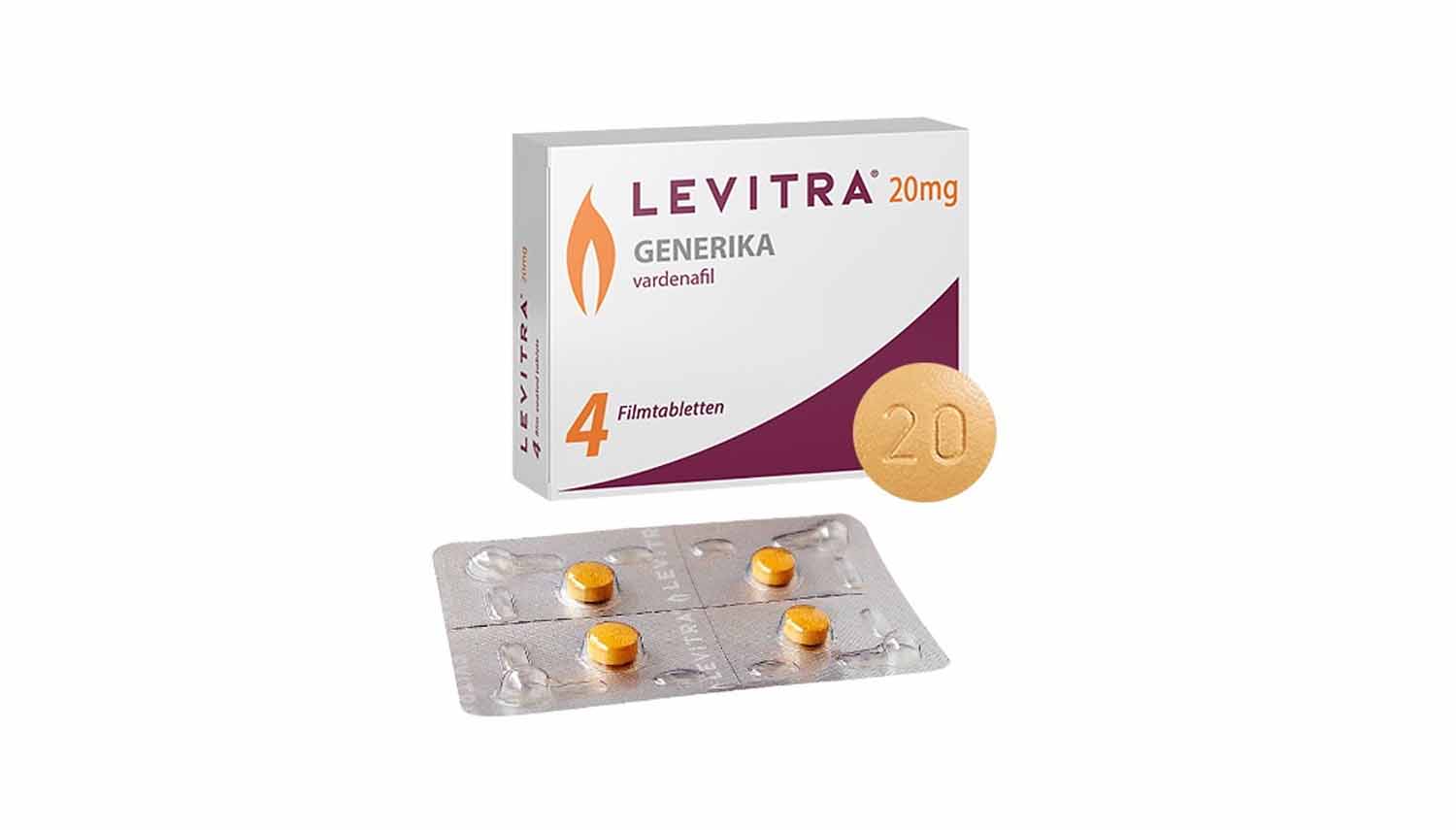
Kennen Levitra: Das Tiefer Geheimnisse Von Es Nutzungen Plus VorteileKennen Levitra: Das Tiefer Geheimnisse Von Es Nutzungen Plus Vorteile


Das Medikament Levitra ist ein Arzneimittel, das häufig zur Behandlung von erektile Dysfunktion eingesetzt wird, einer weit verbreiteten Erkrankung, die Männer in ihrer sexuellen Potenz beeinträchtigt. Erektile Dysfunktion betrifft Millionen von Männern weltweit und kann durch verschiedene Faktoren wie psychische Probleme, gesundheitliche Krankheiten, Lebensgewohnheiten und hormonelle Ungleichgewichte verursacht werden. Levitra enthält den Wirkstoff Vardenafil und gehört zur Gruppe der sogenannten PDE-5-Hemmer, die auch Medikamente wie Viagra und Cialis umfassen. Diese Arzneimittel wirken, indem sie die Blutgerinnung zum Männlichkeit erhöhen, was es Männern mit erektiver Dysfunktion ermöglicht, eine Erektion zu erreichen und aufrechtzuerhalten, wenn sie in erotischer Stimmung sind.

Vardenafil, der aktive Stoff von Levitra online bestellen , blockiert das Enzym Phosphodiesterase-5 (PDE-5), das normalerweise die Verengung der glatten Muskelzellen im Penis einschränkt. Wenn PDE-5 blockiert wird, bleibt der Blutdruck zum Penis geringer, und die Muskelstruktur des Genitalbereichs bleibt entspannt. Dies erleichtert die Erweiterung der Gefäße und führt zu einer besseren Blutfluss des Penis, was in der Folge eine Verbesserung der sexuellen Leistungsfähigkeit kann. Jedoch, dass Levitra nur dann effektiv ist, wenn der Mann sexuelle Erregung verspürt, da die Stimulation eine wesentliche Rolle bei der Medikamentenwirkung spielt.

Levitra wird in verschiedenen Dosierungen angeboten, darunter die Dosierungen 5 mg, 10 mg und 20 mg. Die empfohlene Anfangsdosis für die meisten Männer liegt bei zehn Milligramm, wobei die Dosierung je nach der persönlichen Wirkung und Toleranz angepasst werden kann. Es sollte etwa 25 bis 60 Minuten vor dem geplanten Geschlechtsverkehr eingenommen werden und wirkt in der Regel 4 bis 5 Stunden. Eine wichtige Besonderheit von Levitra im Vergleich zu anderen Viagra-ähnlichen Medikamenten wie Viagra ist, dass es auch nach einer fettreichen Mahlzeit immer noch wirksam ist, was bei einigen anderen Medikamenten möglicherweise nicht der Fall ist.

Wie bei allen Medikamenten gibt es auch bei Levitra nebenwirkende Effekte. Zu den am häufigsten auftretenden gehören Schmerzen im Kopf, Flimmern, verstopfte Nase, Unwohlsein und Übelkeit. In seltenen Fällen können schwere Reaktionen auftreten, wie beispielsweise eine Sehstörungen, schmerzhafte Erektionen oder sogar ein Herzinfarkt. Daher ist es wichtig, dass Männer, die Levitra verwenden, vorab mit ihrem Gesundheitsberater sprechen, insbesondere wenn sie an Herzproblemen oder anderen gesundheitlichen Problemen leiden. Es wird auch empfohlen, dass Levitra nicht mit Nitrate und anderen Arzneimitteln kombiniert wird, da dies zu einem gefährlichen schnellen Blutdruckabfall führen kann.

Levitra bietet eine wirksame Behandlungsoption für Männer, die an sexuellen Funktionsstörungen leiden, und hat sich als effektiv und bewährt erwiesen, wenn es unter ärztlicher Aufsicht eingenommen wird. Dennoch sollten Männer immer die Anweisungen ihres Arztes befolgen und sicherstellen, dass sie keine Kontraindikationen oder Problem mit anderen Arzneimitteln haben, bevor sie mit der Einnahme beginnen. Trotz der Wirksamkeit von Levitra ist es wichtig zu beachten, dass dieses Medikament keine endgültige Heilung für erektile Dysfunktion bietet. Vielmehr ist es eine vorübergehende Hilfe, die nur so lange wirkt, wie das Medikament im Körper wirksam ist. Um eine dauerhafte Verbesserung der Erektion zu erzielen, sind gegebenenfalls Ergänzungsmaßnahmen zu erwägen, einschließlich Änderungen des Lebensstils und die Behandlung zugrunde liegender Gesundheitsprobleme.