Spart And Design Business The Impact of MEP Design Consultants on Green Building Certifications

The Impact of MEP Design Consultants on Green Building Certifications

Mechanical, Electrical, and Plumbing (MEP) systems form the backbone of any modern building. From energy-efficient HVAC systems to seamless electrical networks and reliable plumbing infrastructures, these elements define a building’s functionality and sustainability. MEP design consultants are the unsung heroes behind these systems, ensuring they meet performance, safety, and regulatory standards. In this article, we will explore the world of MEP design consultants, their roles, significance, and how they transform architectural visions into reality. building services consultants.


What Are MEP Design Consultants?

MEP design consultants are specialized professionals or firms focusing on the integrated planning, design, and management of mechanical, electrical, and plumbing systems in buildings. They work closely with architects, construction teams, and developers to deliver optimized building systems that align with the project’s requirements.

Key Responsibilities

  1. System Design: Developing blueprints and specifications for MEP systems.
  2. Energy Optimization: Ensuring energy efficiency through innovative designs.
  3. Regulatory Compliance: Meeting local, national, and international building codes.
  4. Coordination: Collaborating with various stakeholders to integrate MEP systems seamlessly.
  5. Problem-Solving: Offering solutions to complex technical challenges during construction.


Importance of MEP Design Consultants

1. Enhancing Building Efficiency

Efficient MEP systems are essential for minimizing operational costs and environmental impact. Consultants design systems that optimize energy consumption while maintaining comfort and safety for occupants.

2. Ensuring Safety

MEP consultants ensure adherence to safety codes and standards, reducing risks associated with electrical hazards, ventilation issues, or water supply problems.

3. Reducing Construction Costs

A well-thought-out MEP design eliminates unnecessary delays, material wastage, and rework, thereby reducing construction expenses.

4. Facilitating Sustainable Practices

With a growing emphasis on sustainability, MEP design consultants often integrate eco-friendly technologies, such as solar panels, water recycling systems, and energy-efficient HVAC units, into their designs.


The Scope of MEP Systems in Modern Construction

Mechanical Systems

Mechanical systems primarily involve heating, ventilation, and air conditioning (HVAC). MEP consultants design these systems to ensure indoor air quality, thermal comfort, and energy efficiency.

Electrical Systems

Electrical systems encompass power distribution, lighting, fire alarms, and communication networks. Consultants ensure reliable and uninterrupted power while considering future scalability.

Plumbing Systems

Plumbing systems include water supply, drainage, and waste management. Proper design ensures efficient water usage and compliance with environmental standards.


Key Phases of MEP Design Consulting

  1. Conceptualization and Feasibility Analysis
    • Understanding project requirements.
    • Analyzing site conditions.
    • Estimating budget and resources.
  2. Detailed Design and Documentation
    • Creating blueprints and 3D models.
    • Preparing specifications and schedules.
  3. Construction Support
    • Overseeing system installation.
    • Conducting quality checks.
    • Troubleshooting on-site issues.
  4. Post-Construction Services
    • Commissioning and performance testing.
    • Maintenance planning and operational training.


Emerging Trends in MEP Design Consulting

1. Building Information Modeling (BIM)

BIM has revolutionized MEP design by allowing consultants to create detailed 3D models. These models facilitate better visualization, coordination, and error detection before construction begins.

2. Smart Building Technologies

Integration of IoT devices and automation is becoming standard in MEP systems. Consultants are now focusing on designing smart buildings equipped with sensors and centralized control systems for better energy management.

3. Sustainability and Green Building Certifications

From LEED to BREEAM certifications, MEP consultants are leveraging green technologies and materials to create eco-friendly buildings.

4. Prefabrication in MEP Systems

Prefabrication involves assembling components off-site and then installing them on-site. This trend is gaining traction as it reduces labor costs and construction time.


Challenges Faced by MEP Design Consultants

1. Complexity in Coordination

Coordinating between architects, structural engineers, and contractors can be challenging, especially for large-scale projects.

2. Adapting to Technological Changes

With technology evolving rapidly, staying updated with the latest tools and methods is essential yet demanding.

3. Budget Constraints

Balancing high-quality designs with tight budgets often requires innovative problem-solving.

4. Regulatory Hurdles

Complying with ever-changing regulations can be a significant challenge.


Choosing the Right MEP Design Consultant

1. Experience and Expertise

Look for consultants with a proven track record and expertise in your specific industry or project type.

2. Technological Proficiency

Ensure they use advanced tools like BIM and simulation software.

3. Client References

Request references or case studies to gauge their ability to deliver successful projects.

4. Commitment to Sustainability

Prioritize firms that emphasize energy efficiency and sustainable practices.


Conclusion

MEP design consultants are integral to modern construction, bridging the gap between architectural visions and operational realities. Their expertise ensures that buildings are not just structurally sound but also efficient, sustainable, and safe. By collaborating with skilled consultants, developers can unlock the full potential of their projects, setting new benchmarks in functionality and design.

Whether you’re planning a residential complex, a commercial hub, or an industrial facility, involving MEP design consultants from the outset can make a world of difference. Their role in shaping the built environment underscores the importance of their contribution to architecture and engineering.
 

Leave a Reply

Your email address will not be published. Required fields are marked *

Related Post

Knicks Vs. Pacers: A Tale Of Grit, Resilience, And Pure RivalryKnicks Vs. Pacers: A Tale Of Grit, Resilience, And Pure Rivalry

The New York Knicks and the Indiana Pacers, though geographically remote and acting in immensely different markets, partake a rivalry that has blossomed over decades of militant basketball game. These two teams, with their unique histories, have sad-faced off in many memorable matchups, creating a contention that, while not always in the headlines, has proved to be a considerable part of the NBA s rich tapis. Whether in the spirit of the 1990s or in the current era, Knicks vs. Pacers games have often been marked by pure natural science play, crucial playoff implications, and memorable soul performances.

The Early Rivalry: Two Teams, Different Paths

The contention between the New York Knicks and Indiana Pacers began at a time when both franchises were still establishing their identities in the NBA. The Knicks, having been around since 1946, were one of the original NBA teams. By the 1990s, they had become one of the conference’s most recognisable franchises, known for their blue-collar, defensive-oriented set about to basketball. The Pacers, founded in 1967 as part of the ABA, had a different flight. Although they had success in the ABA, victorious three championships before joining the NBA in 1976, they were initially regarded as an underdog enfranchisement in the bigger NBA figure. However, the Pacers’ rise to bulge in the 1990s would mark the beginning of one of the most powerful rivalries in the league.

Reggie Miller: The Heart of the Rivalry

One of the shaping features of the Knicks-Pacers rivalry is the presence of Reggie Miller, the Pacers Hall of Fame ward who would become a fable in this rivalry. Miller s get hold of performances, particularly in the postseason, cemented his status as one of the greatest Knick killers of all time. His shooting straddle, aggressive spirit, and bent for delivering in big moments often meant brokenheartedness for the Knicks and their fans.

One of the most picture moments in NBA chronicle came during the 1994 Eastern Conference Semifinals when the Pacers and Knicks Janus-faced off in a serial publication that outlined the competition. After a hard-fought seven-game series, Miller and the Pacers came within a hair’s breadth of defeating the Knicks, with Game 5 being particularly memorable. With the game tied and the clock wind down, Miller hit a three-pointer to give the Pacers a critical win on the Knicks’ home woo, a bit that still resonates with fans of both teams. Miller’s bent for showing up in crucial moments against the Knicks continuing for years, cementing his status as the primary antagonist in this contention.

1990s and the Knicks Gritty Identity

Throughout the 1990s, the New York Knicks were a team known for their temper, animalism, and no-nonsense defense. Under coach Pat Riley, the Knicks adoptive a defensive attitude-first doctrine, emphasizing hard-nosed basketball game that set the tone for their individuality. The of Patrick Ewing s front in the paint, John Starks hot competitiveness, and Charles Oakley s harmful style made the Knicks a wedge to be reckoned with in the Eastern Conference.

The Pacers, meanwhile, were evolving under head train Larry Bird, who took over the role in the late 1990s. With Reggie Miller at the helm, the Pacers organized a alarming batting order that was also known for its grit and perseverance. Though the Pacers were not as -oriented as the Knicks, their offense firepower, especially from Miller, and their ability to compete with anyone in the conference made them a scourge. The battles between these two teams were not just about maneuver, but about pure will and determination to triumph.

Playoff Battles and Heart-Stopping Moments

The rivalry reached its acme during the 1994 and 1995 seasons, as both teams had high aspirations in the Eastern Conference. The 1994 Eastern Conference Semifinals serial publication stiff one of the most picture playoff encounters in NBA account. The Knicks, led by train Pat Riley and star concentrate on Patrick Ewing, were hoping to establish on a warm fixture season and make a deep playoff run. The Pacers, led by the imperturbable Reggie Miller, were stubborn to turn out that they were among the elite group teams in the East.

The serial publication was fast, natural science, and emotional. Game 5, where Miller hit a game-winning three-pointer, became one of the shaping moments of the rivalry. The Pacers in time lost the series in seven games, but the affect of their public presentation was irrefutable. The Knicks moved on to face the Houston Rockets in the NBA Finals, but the Pacers resiliency had attained them a point as one of the top teams in the East.

In the 1995 Eastern Conference Semifinals, the Pacers again took on the Knicks, this time with the series stretching to seven games once more. The competition between the two teams had fully grown to new heights, and it was discernible in every possession. Both teams knew each other s playbooks interior and out, and their battles were often outlined by defense and a refusal to give an inch. The 1995 series saw Miller and the Pacers emerge victorious, advancing to the Eastern Conference Finals, but the bitterness memories of the Knicks grief would linger for age.

Changing of the Guard: The 2000s and Beyond

The competition between the Knicks and Pacers started to lose its volume during the 2000s. The Knicks, after the loss of Patrick Ewing, struggled to stay a championship challenger. The franchise went through several coaching job changes and roll rebuilds, going away the Knicks in a put forward of flux for much of the ten.

Similarly, the Pacers, while still competitive, knowledgeable their own period of uncertainness. With Reggie Miller modest in 2005, the Pacers lost their most painting visualize and were left to reconstruct their roll. During this time, the contention began to simmer down, as neither team was a homogeneous playoff contender.

However, the seeds of replacement were planted in the following 10. In the early 2010s, the Pacers underwent a revivification under the leading of youth star Paul George, who became the face of the franchise. The Pacers returned to their defensive attitude roots, becoming one of the toughest teams in the Eastern Conference. The Knicks, too, practised a brief bit of revitalization in the 2010s, especially in the 2013 season when they destroyed with a warm record and reached the second encircle of the playoffs.

The Current State of the Rivalry

Today, both the Pacers and the Knicks are in the thick of rebuilding phases, with both teams focussing on development their young natural endowment. The Knicks, now led by Julius Randle, RJ Barrett, and Jalen Brunson, have shown call as they aim to return to playoff tilt in the Eastern Conference. Similarly, the Pacers are workings around their young core, led by Tyrese Haliburton, who has rapidly become one of the conference s ascension stars.

While both teams are no thirster title contenders, their games still import, as both franchises are convergent on re-establishing themselves as forces in the East. The contention has evolved, but the sense of competition and reciprocal honour cadaver, and each match-up between the Knicks and Knicks vs Pacers Match Player Stats is still filled with the foretell of intense basketball game.

Conclusion: A Rivalry Built on Legacy and Respect

The New York Knicks and Indiana Pacers may not have the same high-profile position as some of the NBA s other rivalries, but their account is rich with moments that have outlined an era. From Reggie Miller s seize shots to the defensive attitude battles in the 1990s, this contention has systematically delivered drama and excitement. Whether in the past or submit, the Knicks vs. Pacers games preserve to be a symbolic representation of determination, grit, and the spirit up of challenger that makes the NBA one of the most attractive sports leagues in the worldly concern. As both teams look toward the future, the rivalry is far from over it s merely entered a new chapter, one that will sure enough carry on to bring up unforgettable moments to the basketball game earth.

The Role of Pneumatic Components in Modern Manufacturing ProcessesThe Role of Pneumatic Components in Modern Manufacturing Processes

In the world of modern manufacturing, efficiency, precision, and automation are the driving forces behind industrial success. Pneumatic components, powered by compressed air, play a crucial role in achieving these objectives. From assembly lines to automated systems, pneumatic technology has become integral in modern manufacturing, providing benefits such as enhanced speed, reduced energy consumption, and improved safety. This article explores the role of pneumatic components in today’s manufacturing processes, highlighting their importance in optimizing production.

What Are Pneumatic Components?

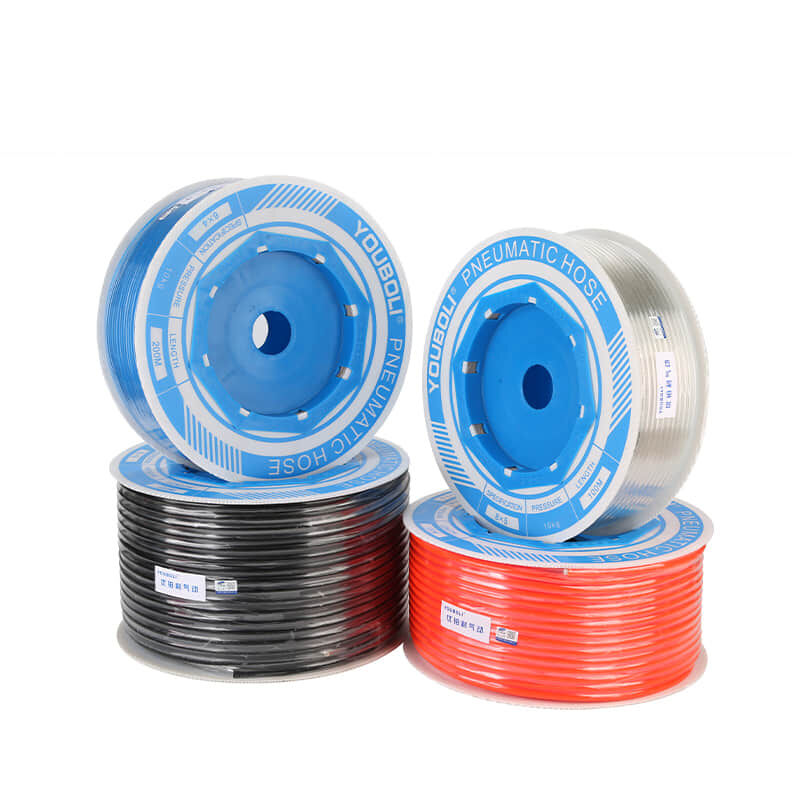
Pneumatic components are parts of a system that use compressed air to generate mechanical motion or perform specific tasks. These components include cylinders, actuators, valves, filters, and regulators, each designed to facilitate different aspects of manufacturing processes. Compressed air, often considered a clean and versatile energy source, powers these components, making them a popular choice for industries worldwide.

Enhancing Automation and Efficiency

One of the primary reasons pneumatic components are vital in modern manufacturing is their ability to enhance automation. Automated manufacturing systems rely on the precise control of machinery and equipment to perform repetitive tasks with speed and accuracy. Pneumatic cylinders and actuators, for example, are used to move parts, position items, or open and close mechanical grippers. These components provide smooth, consistent motion, ensuring operations are carried out with minimal human intervention and maximal precision.

Additionally, pneumatic systems can increase the speed of manufacturing processes. Air-driven actuators often respond more quickly than electric or hydraulic alternatives, reducing cycle times and improving throughput. In industries such as automotive assembly, electronics production, and packaging, this speed translates to greater production rates, enabling manufacturers to meet growing demands without sacrificing quality.

Versatility and Adaptability

Solenoid Valves are incredibly versatile, offering solutions for a wide range of applications in manufacturing. Whether it's clamping, lifting, sorting, or assembly, there is a pneumatic solution for nearly every task. Pneumatic actuators, for example, can be adjusted to handle varying weights and sizes of components, making them ideal for environments where flexibility is essential.

Furthermore, pneumatic systems can easily be integrated with other technologies, such as robotics, to create highly automated manufacturing lines. For example, pneumatic components are often used in conjunction with robotic arms to facilitate precise movements or in conveyor systems to control the movement of goods. This adaptability ensures that pneumatic solutions can meet the evolving needs of diverse industries, from food production to aerospace engineering.

Energy Efficiency and Cost Savings

Compared to other power sources like electric or hydraulic systems, pneumatic systems are often more energy-efficient and cost-effective. Compressed air is readily available in most manufacturing facilities, and pneumatic systems can be powered with minimal energy consumption, especially when properly maintained. Additionally, air-driven components are typically lighter and require fewer moving parts, reducing wear and tear and lowering maintenance costs.

The use of pneumatic systems also contributes to a reduction in overall energy consumption in manufacturing plants. While compressed air generation requires some energy input, pneumatic tools and actuators are efficient in converting compressed air into motion, often outperforming other systems in terms of power-to-weight ratio.

Safety and Reliability

Pneumatic components are inherently safe to use in manufacturing environments. Unlike hydraulic systems, which can leak harmful fluids, or electric systems that may pose electrical hazards, pneumatic systems rely on air, which is non-toxic and poses minimal risk to operators. The simplicity of pneumatic components also reduces the likelihood of system failures, as there are fewer moving parts to wear out.

Moreover, pneumatic systems are highly reliable, with many components designed to operate for thousands of cycles without maintenance. This reliability makes them ideal for high-demand environments where downtime must be minimized, such as in mass production facilities.

Conclusion

Pneumatic components have become a cornerstone of modern manufacturing due to their efficiency, adaptability, energy savings, and safety. As industries continue to evolve towards greater automation and precision, the role of pneumatic systems in optimizing manufacturing processes will only grow. Whether enhancing speed on an assembly line, reducing costs through energy efficiency, or enabling precise control in automated systems, pneumatic components continue to help manufacturers stay competitive in an increasingly fast-paced global market. Their reliability and versatility ensure they remain a key technology in the future of manufacturing.

Road Safety Products: Enhancing Protection for Pedestrians and DriversRoad Safety Products: Enhancing Protection for Pedestrians and Drivers

Road safety is an essential aspect of modern transportation, ensuring that drivers, passengers, and pedestrians can navigate roadways with minimal risk. With increasing traffic volumes and evolving infrastructure, road safety products have become indispensable tools in preventing accidents and ensuring smooth transportation. These products range from basic reflective signs to advanced technological systems designed to enhance awareness, reduce accidents, and save lives. This article explores the critical role of road safety products, their categories, and their contribution to safer roads worldwide. ppe traders in uae.


Why Are Road Safety Products Important?

Road safety products are essential for several reasons:

  1. Accident Prevention: They help in minimizing road accidents by guiding drivers and alerting them to potential hazards.
  2. Traffic Flow Management: These products ensure smooth and efficient traffic movement, especially in high-density areas.
  3. Pedestrian Protection: Ensuring the safety of pedestrians crossing busy roads or walking along highways.
  4. Emergency Situations: They provide critical information and tools for managing emergencies on the road.


Categories of Road Safety Products

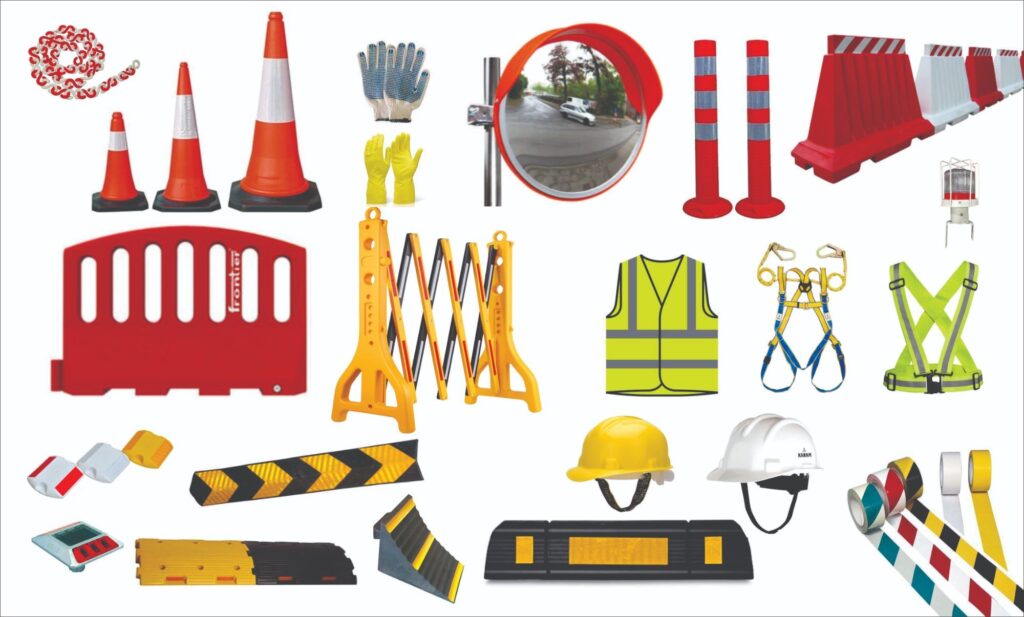
Road safety products can be broadly classified into categories based on their function and application. Below are some of the most common types:

1. Road Marking and Reflective Products

These products improve visibility and guidance for drivers, especially during low-light or poor weather conditions.

  • Reflective Road Markers: These are embedded in the road to mark lanes and edges, enhancing visibility at night.
  • Glow-in-the-Dark Paints: Used for road markings to ensure they remain visible after dark.
  • Cat’s Eye Reflectors: Placed in the center of the road, these reflect headlights, helping drivers maintain their lanes.

2. Traffic Signs and Signals

Proper signage and signaling are crucial for effective communication between road authorities and road users.

  • Traffic Lights: Ensure orderly movement of vehicles and pedestrians at intersections.
  • Warning Signs: Alert drivers to potential hazards like sharp curves, animal crossings, or slippery roads.
  • Speed Limit Signs: Inform drivers of the permissible speed to avoid accidents caused by overspeeding.

3. Barriers and Crash Cushions

These products are designed to reduce the severity of accidents and protect road users.

  • Guardrails: Installed along highways and sharp curves to prevent vehicles from veering off the road.
  • Crash Cushions: Absorb the impact of collisions, minimizing injuries to drivers and passengers.
  • Concrete Barriers: Separate traffic lanes and provide robust protection in construction zones.

4. Pedestrian Safety Products

Ensuring the safety of pedestrians is a critical component of road safety.

  • Zebra Crossings and Pedestrian Signals: Provide designated areas for pedestrians to cross safely.
  • Bollards: Prevent vehicles from encroaching on pedestrian pathways.
  • Flashing Beacons: Installed near school zones or pedestrian crossings to warn drivers.

5. Advanced Safety Technologies

Technology is revolutionizing road safety with innovative products.

  • Radar Speed Signs: Display the speed of approaching vehicles, encouraging compliance with speed limits.
  • Vehicle-to-Infrastructure (V2I) Communication Systems: Enable real-time communication between vehicles and road infrastructure.
  • Smart Traffic Management Systems: Use AI to monitor and manage traffic flow dynamically.


Popular Road Safety Products in Use Today

Speed Breakers and Rumble Strips

Speed breakers reduce vehicle speed in critical areas like school zones and residential neighborhoods. Rumble strips are grooved patterns on the road that alert drivers when they drift off their lane.

Safety Cones and Delineators

These are essential in construction zones or during temporary road closures.

  • Traffic Cones: Direct traffic away from hazardous areas.
  • Delineators: Vertical markers that separate lanes and guide traffic.

Road Studs and Reflectors

Used to demarcate lanes and provide visual guidance to drivers at night or in low visibility conditions.

Safety Mirrors

Installed at blind spots, intersections, and parking lots to improve visibility and reduce collision risks.


The Role of Road Safety Products in Developing Countries

In developing countries, road safety remains a pressing concern due to a lack of infrastructure and enforcement of traffic regulations. Implementing road safety products can significantly reduce accident rates. For instance:

  • Low-Cost Safety Solutions: Products like reflective vests for traffic police and portable speed breakers can be effective in low-income areas.
  • Public Awareness Campaigns: Educating drivers and pedestrians about the importance of safety products increases their usage and effectiveness.


Challenges in Implementing Road Safety Products

Despite their importance, several challenges hinder the widespread use of road safety products:

  1. Cost: Advanced safety technologies can be expensive, limiting their adoption in low-income regions.
  2. Maintenance: Regular maintenance of safety products is essential but often overlooked, reducing their effectiveness over time.
  3. Awareness: Many road users are unaware of the significance and proper usage of these products.
  4. Resistance to Change: Drivers may resist adhering to new safety measures, especially in areas with lax enforcement.


Future Trends in Road Safety Products

The future of road safety lies in integrating technology with traditional safety measures. Some promising trends include:

  • Autonomous Vehicles: Equipped with sensors and AI, these vehicles can communicate with road infrastructure to avoid collisions.
  • Smart Highways: Highways embedded with sensors and solar-powered lights to enhance safety and energy efficiency.
  • Connected Devices: IoT-enabled road safety products that provide real-time data to traffic authorities and drivers.


Conclusion

Road safety products are vital for creating a safer transportation environment. From reflective signs to cutting-edge technologies, these tools serve as silent guardians on our roads, guiding and protecting us. However, their effectiveness depends on regular maintenance, proper usage, and widespread public awareness.

Governments, organizations, and individuals must collaborate to prioritize road safety, ensuring that these products are accessible and effective. By investing in and promoting road safety products, we not only reduce accidents but also build a culture of safety that benefits everyone.

The road to safer journeys starts with awareness and action. Equip yourself with knowledge and contribute to making our roads a safer place for all.


Museum Wall Displays Charlotte NC You Should Know AboutMuseum Wall Displays Charlotte NC You Should Know About


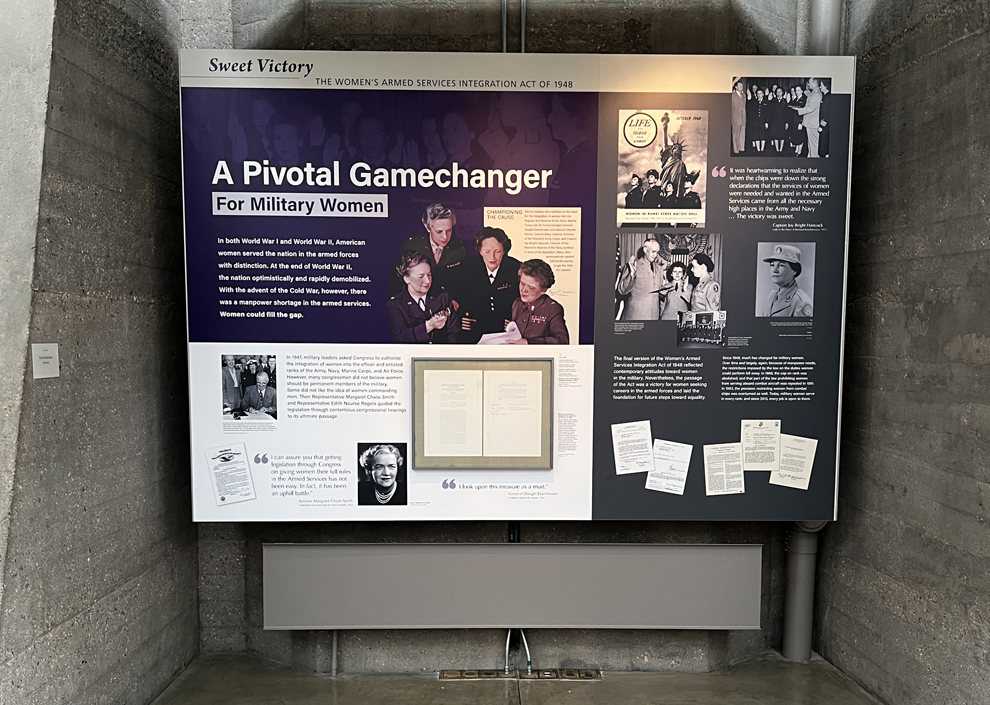
Museums are not only spaces for preserving history and culture—they also offer businesses and organizations inspiration for interior branding. Carefully designed museum wall displays can transform a workspace, elevate corporate identity, and create an environment that communicates professionalism and creativity. For businesses in Charlotte, investing in quality displays can make a significant difference in how employees, clients, and visitors perceive the organization. Heritage Signs & Displays, a trusted provider of museum-quality signage, offers expert solutions for businesses looking to integrate impactful wall displays into their interiors.

Why Museum Wall Displays Matter in Offices

Museum wall displays are more than just visual elements—they are tools for storytelling. In offices, they can serve multiple purposes:

Brand Storytelling: Museum-style displays allow companies to showcase their journey, achievements, and values in a visually compelling manner.

Professional Ambiance: Thoughtfully designed wall displays enhance the aesthetic appeal of an office, creating a welcoming and professional atmosphere.

Employee Engagement: Informative and visually appealing displays inspire employees by connecting them to the organization’s mission and accomplishments.

Client Impressions: Clients and visitors can gain immediate insight into a company’s identity and ethos, fostering trust and admiration.

Heritage Signs & Displays emphasizes the importance of customized wall installations that reflect a business’s core values while maintaining the elegance and sophistication typically associated with museum-quality designs.

Key Types of Museum Wall Displays Charlotte NC

Businesses looking to upgrade their office interiors can consider several types of museum-style wall displays. Each type serves a unique purpose and can be tailored to specific branding goals:

Historical Timelines

Historical timeline displays provide a chronological view of a company’s milestones, achievements, and significant events. By organizing information visually, businesses can highlight their growth, innovation, and leadership within their industry.

Thematic Exhibits

Thematic exhibits focus on a specific topic, such as a company’s sustainability efforts, community involvement, or product evolution. These displays often combine graphics, text, and images to create a narrative that is both educational and visually striking.

Artwork and Inspiration Boards

Companies can integrate curated artwork or inspirational boards to reflect their mission, values, or vision. These displays encourage creativity and add a sense of sophistication to common office areas, such as lobbies, meeting rooms, and hallways.

Informational and Educational Displays

Some offices adopt educational-style displays similar to museums to provide visitors with knowledge about their industry or field. These types of displays position a company as an authority in its area and reinforce credibility.

For businesses in Charlotte, Museum Wall Displays Charlotte NC can be customized to fit the office environment, whether it is a small startup looking to convey innovation or a large enterprise seeking to celebrate its legacy.

Benefits of Installing Museum Wall Displays in Workplaces

Investing in museum-quality wall displays offers numerous benefits for workplace interiors:

Enhanced Brand Identity: Custom displays reflect the company’s unique story and values.

Memorable Visitor Experience: Visitors are more likely to remember a company that integrates artful, informative displays.

Employee Morale: Inspiring visuals contribute to a positive workplace culture.

Professional Design: Well-executed displays demonstrate attention to detail and commitment to excellence.

Heritage Signs & Displays helps organizations in Charlotte achieve these benefits by providing tailored solutions. They work closely with clients to ensure that every display is visually cohesive, strategically positioned, and aligned with brand messaging.

How to Choose the Right Museum Wall Displays Charlotte NC

Selecting the right displays requires careful consideration of the company’s goals, space, and audience. Here are a few tips:

Identify Objectives: Determine whether the display is meant to educate, inspire, or highlight achievements.

Measure Space: Ensure the display fits the area without overwhelming the environment.

Select Materials: Choose high-quality materials that reflect professionalism and durability.

Incorporate Branding: Integrate logos, color schemes, and messaging seamlessly into the design.

Plan Placement: Position displays where they will have the most impact, such as reception areas, corridors, or common spaces.

Businesses can explore detailed options and design ideas through Heritage’s Museum Exhibits Signage Charlotte NC services. For more information on broader signage solutions, they can also visit.

Frequently Asked Questions (FAQs)

Q1: Can museum wall displays be customized for any office size?
Yes. Heritage Signs & Displays specializes in creating custom solutions suitable for offices of all sizes—from compact workspaces to expansive corporate headquarters.

Q2: How long does it take to install a museum-style wall display?
Installation time varies depending on the complexity and size of the display. Heritage Signs & Displays provides professional installation services to ensure the process is seamless and efficient.

Q3: Are these displays durable for long-term use?
Absolutely. All materials are selected for their durability, ensuring that displays maintain their appearance and structural integrity over time.

Q4: Can these displays help with employee engagement?
Yes. Informative and visually appealing wall displays inspire employees by highlighting company achievements, culture, and values, fostering a sense of pride and connection.

Q5: Is consultation available for businesses unsure about design choices?
Heritage Signs & Displays offers expert consultation to guide companies through design selection, layout, and material options.

Conclusion

Museum wall displays offer more than aesthetic appeal—they provide a powerful way to communicate a company’s story, values, and achievements. For businesses in Charlotte, investing in professional-grade displays can elevate workplace interiors, inspire employees, and impress clients. By choosing Heritage Signs & Displays, organizations gain access to expert guidance, high-quality materials, and customized solutions that turn ordinary walls into compelling narratives.

For companies seeking to explore innovative office branding options, Museum Wall Displays Charlotte NC represent a strategic investment in both aesthetics and corporate identity. To get started, businesses can learn more about the possibilities by visiting Heritage Signs & Displays and discovering the perfect wall displays for their office.


The Growing Popularity Of Togel Online In The Digital EraThe Growing Popularity Of Togel Online In The Digital Era

Togel online has become one of the most discussed forms of digital entertainment in recent years, especially among users who enjoy number-based games that combine excitement, strategy, and anticipation. As internet accessibility continues to expand globally, traditional number games have successfully transitioned into online platforms, making togel online more accessible than ever before. This shift has transformed how players interact with the game, offering convenience, flexibility, and a modern gaming experience.

One of the main reasons togel online attracts a wide audience is its simplicity. The core concept revolves around predicting number combinations, which makes it easy for beginners to understand while still allowing experienced players to apply analysis and personal strategies. Unlike complex online games that require advanced skills or long learning curves, togel online focuses on logical thinking, pattern observation, and disciplined decision-making. This balance between simplicity and challenge keeps players engaged for long periods.

Another important factor contributing to the rise of togel online is accessibility. Players no longer need to visit physical locations or rely on limited schedules. With online platforms, togel games are available around the clock, allowing users to participate anytime and anywhere. This level of convenience fits perfectly with modern lifestyles, where people prefer entertainment options that can be accessed instantly through mobile devices or computers.

Technology has also played a key role in shaping the togel online experience. Modern platforms offer user-friendly interfaces, fast navigation, and smooth performance across different devices. Advanced systems ensure that number draws are conducted fairly and transparently, which helps build trust among players. Many platforms also integrate data tools, historical results, and statistical insights that allow users to make more informed predictions.

Security is another major aspect that has improved the reputation of togel online. Reputable platforms invest in secure systems to protect user information and transactions. Encrypted data, secure payment methods, and account protection features help create a safer environment for players. This focus on security has encouraged more users to explore togel online with confidence, knowing their personal details are handled responsibly.

The social aspect of togel online should not be overlooked. Many platforms include community features where players can share insights, discuss strategies, and exchange experiences. This sense of community adds an interactive dimension to the game, transforming it from a solitary activity into a shared experience. Engaging with other players can also help beginners learn faster and develop better approaches to the game.

Responsible play is an essential topic in discussions about togel online. While the game offers entertainment and excitement, it is important for players to approach it with discipline and awareness. Setting limits, managing time wisely, and understanding that togel terpercaya online should be treated as a form of entertainment rather than a guaranteed income source are crucial principles. Platforms that promote responsible gaming contribute positively to the long-term sustainability of the industry.

From a marketing perspective, togel online continues to evolve through digital strategies that focus on user experience and engagement. Personalized features, mobile optimization, and responsive customer support have become standard expectations. As competition increases, platforms are focusing more on transparency, reliability, and innovation to attract and retain users in a crowded market.

In conclusion, togel online represents a modern adaptation of a classic number-based game, enhanced by technology and digital accessibility. Its growing popularity is driven by simplicity, convenience, security, and community interaction. As long as players engage responsibly and platforms maintain high standards, togel online will likely continue to be a significant part of the online entertainment landscape. With ongoing advancements in technology and user experience, the future of togel online looks increasingly dynamic and engaging for players around the world.