
Category: Lifestyle & Fashion

What Are The Must-have Apparel Essentials?What Are The Must-have Apparel Essentials?

Step into the world of fashion with confidence, where style meets functionality in a seamless dance. What Are the Must-Have Apparel Essentials? is more than a question—it’s the gateway to unlocking a wardrobe that empowers, transforms, and elevates your daily life.

Imagine opening your closet and finding pieces that effortlessly mix and match, clothing that doesn’t just fill space but defines your personal narrative. From versatile jackets to timeless basics, every item plays a pivotal role in crafting a cohesive, polished look. In today’s fast-paced world, where trends flicker and fade, investing in ustradeent-worthy staples ensures you’re never caught unprepared.

These essentials serve as the backbone of your style, allowing for creative freedom while maintaining an understated sophistication. Whether dressing for a high-stakes meeting, a casual outing, or a spontaneous adventure, these carefully curated pieces are your secret arsenal. Discover the power of a wardrobe designed not only for aesthetics but for practicality, comfort, and confidence. Elevate your fashion game—embrace the art of essential dressing, and turn everyday choices into statements of timeless elegance.

Why Apparel Essentials Matter

Every wardrobe should have a backbone, a set of essential clothing items that can be mixed, matched, and layered to suit any occasion. Why invest in apparel essentials? Because these pieces:

  • Provide versatility and flexibility.

  • Stand the test of time in both fashion trends and quality.

  • Make dressing simpler and more intentional.

  • Serve as the foundation for creating countless outfits.

Without these key items, you may find yourself repeatedly purchasing trendy pieces that don’t complement your existing wardrobe. Investing in apparel essentials is not about spending more—it’s about spending wisely.

The Core Apparel Essentials

1. Classic White Shirt

The white shirt is arguably the most iconic apparel essential. Its clean lines and neutral tone make it a perfect base for casual, formal, and business attire. Pair it with jeans for a relaxed look or tuck it into tailored trousers for professional meetings. Quality matters: opt for cotton or cotton-blend fabrics for durability and comfort.

2. Well-Fitted Jeans

Denim is timeless, and a pair of well-fitted jeans is indispensable. Choose a cut that flatters your body type, whether it’s skinny, straight-leg, or bootcut. Darker washes offer a more polished look suitable for semi-formal occasions, while lighter washes are ideal for casual outings. Jeans are the ultimate example of a versatile apparel essential that transcends age and trend.

3. Little Black Dress (LBD)

Every wardrobe benefits from a little black dress, a piece that effortlessly transitions from day to night. The key is simplicity—avoid excessive embellishments and choose a cut that suits your body shape. Accessories can elevate the LBD for different occasions, making it one of the most practical essential clothing items you can own.

4. Tailored Blazer

A tailored blazer elevates any outfit instantly. Whether paired with jeans, skirts, or dresses, it adds structure and sophistication. Invest in neutral colors like black, navy, or grey to ensure maximum versatility. A blazer is essential not just for work but also for casual gatherings where you want to appear polished without overdoing it.

5. Versatile T-Shirts

Quality t-shirts in neutral shades such as white, black, and grey are vital apparel essentials. They can be layered under blazers, paired with jeans, or worn with skirts for a relaxed vibe. Prioritize materials that are soft, breathable, and durable to maximize comfort and longevity.

6. Comfortable Footwear

Shoes define an outfit. Every wardrobe should include a pair of:

  • Classic sneakers for casual, everyday wear.

  • Elegant flats for work or social events.

  • Dress shoes or heels for formal occasions.

Comfort and style go hand in hand, making footwear a critical aspect of apparel essentials.

7. Neutral Outerwear

A timeless neutral coat or jacket is essential for seasonal layering. Camel, black, or navy shades provide maximum versatility, allowing you to pair them with virtually any outfit. Outerwear is not just functional—it’s a style statement that elevates even the simplest ensembles.

8. Versatile Skirt or Trousers

Invest in a versatile skirt and a pair of tailored trousers. Neutral tones such as black, navy, or beige allow you to mix and match effortlessly. A pencil skirt works well for office environments, while trousers offer comfort without sacrificing style. Together, they form a solid base for countless outfit combinations.

9. Statement Accessories

While clothing forms the foundation, accessories add personality. Key apparel essentials include:

  • A high-quality belt to define your silhouette.

  • A versatile handbag for functionality and style.

  • Minimalist jewelry to complete your look without overwhelming it.

Accessories are the finishing touch that transforms a basic outfit into a polished ensemble.

10. Seasonal Staples

Every wardrobe should adapt to the seasons. Essential seasonal items include:

  • Summer: breathable linen shirts, tailored shorts, and sandals.

  • Winter: cashmere sweaters, scarves, gloves, and sturdy boots.

  • Spring/Fall: lightweight jackets, cardigans, and transitional footwear.

By rotating seasonal apparel essentials, you maintain both comfort and style year-round.

How to Build Your Capsule Wardrobe

A capsule wardrobe is a collection of versatile apparel essentials designed to maximize outfit options with minimal items. Here’s how to start:

  1. Audit Your Current Wardrobe: Identify what you already own and what truly fits your style.

  2. Invest in Quality Basics: Prioritize durable, timeless pieces over trendy items.

  3. Stick to a Cohesive Color Palette: Neutral tones allow for effortless mixing and matching.

  4. Layer and Accessorize: Use layers and accessories to create new outfits without adding clutter.

  5. Evaluate Regularly: Update your capsule wardrobe seasonally to maintain relevance and function.

By strategically selecting essential clothing items, you can simplify dressing while maintaining a sophisticated style.

Common Mistakes to Avoid

Even when building a wardrobe around apparel essentials, some pitfalls can undermine your efforts:

  • Overbuying Trends: Trendy pieces often go out of style quickly and clutter your wardrobe.

  • Ignoring Fit: Poorly fitted items can ruin even the most stylish outfit. Always prioritize fit over brand or price.

  • Neglecting Quality: Low-quality fabrics wear out fast, negating the purpose of essential clothing items.

  • Forgetting Versatility: Each item should work with multiple outfits; avoid single-purpose clothing.

Awareness of these mistakes ensures your wardrobe remains functional, stylish, and easy to maintain.

Tips for Maintaining Apparel Essentials

Proper care extends the life of your apparel essentials:

  • Follow Care Instructions: Adhere to washing and drying guidelines to prevent fabric damage.

  • Rotate Regularly: Prevent wear and tear by alternating items.

  • Invest in Storage Solutions: Use hangers, garment bags, and organizers to keep your wardrobe neat.

  • Repair When Necessary: Small fixes like sewing buttons or mending hems prolong the life of clothing.

Maintaining your essential clothing items is just as important as selecting them.

The Psychological Benefits of a Well-Structured Wardrobe

Having a wardrobe full of apparel essentials does more than improve your appearance. It boosts confidence, reduces decision fatigue, and fosters a sense of personal identity. When you know that every piece you own is functional, stylish, and versatile, getting dressed becomes an enjoyable ritual rather than a stressful chore.

Sustainable Fashion and Apparel Essentials

Focusing on apparel essentials aligns perfectly with sustainable fashion practices. By investing in durable, versatile items:

  • You reduce waste by buying less but higher-quality clothing.

  • You create a timeless wardrobe that transcends fast-fashion cycles.

  • You encourage mindful consumption and environmentally conscious choices.

Sustainability and style can coexist harmoniously when your wardrobe prioritizes essentials.

Conclusion

Building a wardrobe filled with apparel essentials is a transformative approach to dressing. It blends practicality with style, enabling you to look polished and feel confident in any setting. By investing in quality basics like the white shirt, well-fitted jeans, tailored blazer, and little black dress, complemented by versatile accessories and seasonal staples, you create a foundation for countless outfit combinations.

Remember, the goal is not to have a vast wardrobe but a smart one—filled with pieces that work for you, enhance your style, and simplify daily decisions. With careful planning, attention to quality, and a focus on versatility, you can curate a wardrobe that is timeless, sustainable, and effortlessly chic. Your apparel essentials are not just clothes; they are an investment in confidence, convenience, and lasting style.
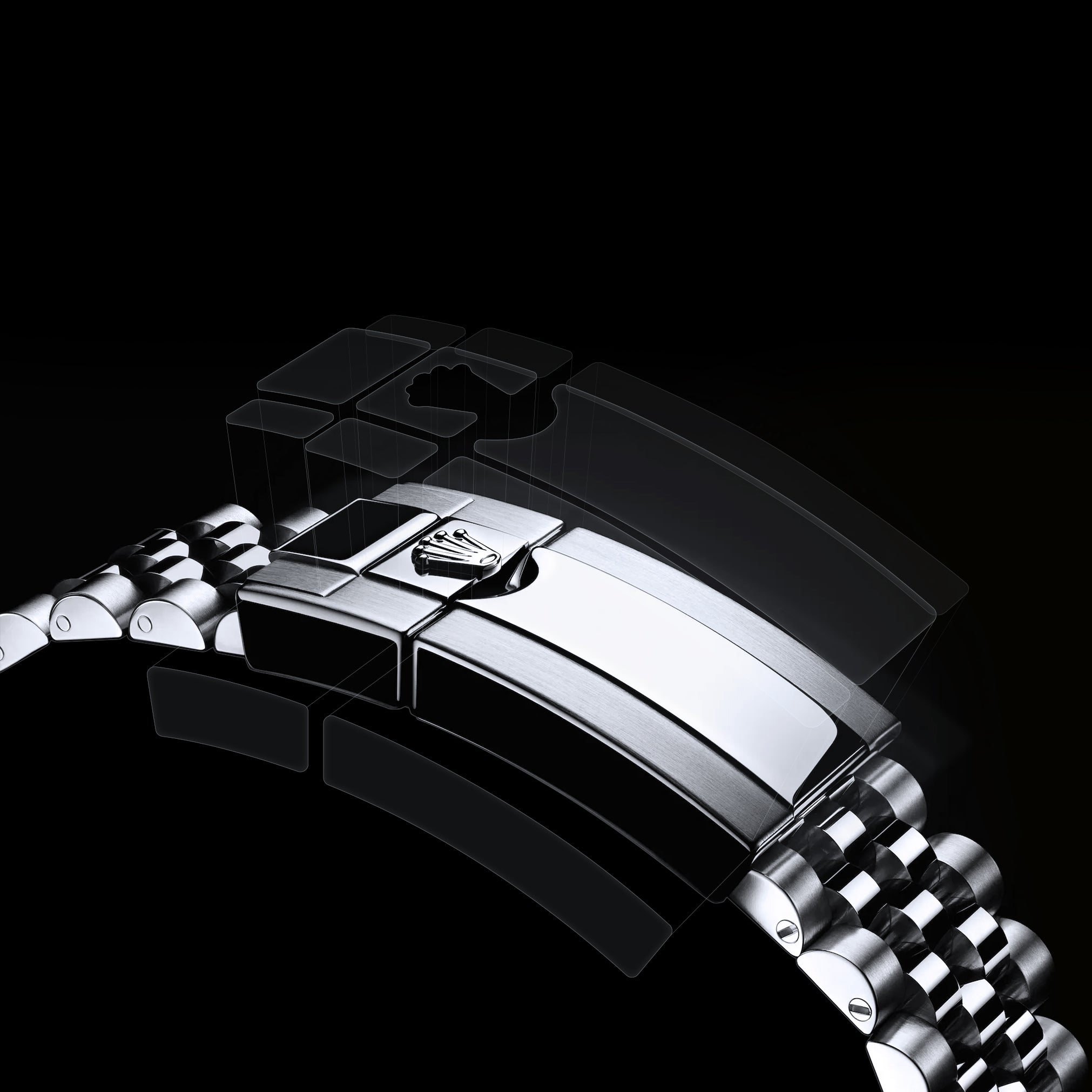
Rolex Scratch Repulsion Stories(and How To Keep Off Them)Rolex Scratch Repulsion Stories(and How To Keep Off Them)


Owning a Rolex is often advised the superlative of opulence view aggregation. These timepieces are admired for their precision, craftsmanship, and dateless plan. However, even the most serviceable Rolex models are not unaffected to scratches. For many owners, the first visual expunge on their pure see feels like a nightmare a repugnance account that s shared among collectors. While scratches are a natural part of wear, understanding how they materialise and how to keep them can save you from unessential try.

In this clause, we ll research some real-world Rolex expunge revulsion stories and, most significantly, the best practices to keep off them.

The Horror Stories: When a Scratch Steals the Spotlight

1. The Restaurant Table Scratch

One of the most commons tales involves a Rolex proprietor casually resting their articulatio radiocarpea on a restaurant remit. What seemed like nontoxic behavior speedily turned unfortunate when the postpone s rough in rise up left a strong mark across the see s polished watchband. Something as simple as wood, glaze, or even marble can make little-abrasions that stand up out under the get down.

2. The Seatbelt Buckle Surprise

Another patronize perpetrator is the metallic element seat belt warp. A gatherer once recounted how his stigmatize-new Submariner got its first scratch within hours of going away the authorised monger. In a rush to warp up, the metallic element edge grazed the clasp, going behind a viewable dent. It became a perm reminder of how easily accidents happen.

3. The Desk Job Dilemma

For power workers, desk diving event when a catch scrapes against the edge of a desk creates a slow establish-up of hairline scratches across the watch bracelet and clasp. While each somebody expunge may seem nipper, over time they dull the see s svelte wind up, qualification it appear more worn than it really is.

4. The Gym Mishap

Wearing a Rolex while exercising can also end in . A gallant proprietor once distributed how his Daytona came into adjoin with a during a exercise. The leave? A deep gouge on the case side that necessary professional refinishing.

5. The Beach Disaster

Even environments that seem atoxic, like the beach, can cause mayhem. Sand is extremely abradant, and when caught between watch bracelet golf links or rubbed against the watch crystal, it can result a Rolex looking worn out after just one day in the sun.

Why Scratches Feel Like a Big Deal

For many collectors, scratches are more than just damage they re feeling blows. A Rolex represents not just fiscal value but also subjective pride and position. A strike can feel like a blemish on something you ve worked hard to obtain. Some also worry about resale value, as a to a great extent scraped take in can bring in less on the secondary commercialise.

How to Avoid Rolex Scratch Nightmares

While scratches are inevitable with fixture use, you can dramatically tighten the risk with a few smart precautions.

1. Be Mindful of Your Environment

Stay witting of your milieu. Avoid placing your radiocarpal joint too close to rough in surfaces, metallic element edges, or abrasive material materials. Small habits, like removing your Rolex before heavy lifting or physical activities, can go a long way.

2. Avoid Wearing It in High-Risk Situations

Think twice before wearing your Rolex to the gym, beach, or during DIY projects. If you re header somewhere excise-prone, consider wearing a less worthful horologe.

3. Use Protective Accessories

Some Rolex Protection owners use caring films(commonly known as see protection kits) studied specifically for the case and watchband. These films are nearly occult and absorb unhorse scratches before they strive the nerve or gold.

4. Store Your Watch Properly

When not wearing your Rolex, keep it in a soft protrude or its master copy box. Never lead it face-down on hard surfaces. A lined view roll or microfiber textile can cater an extra level of tribute.

5. Regular Maintenance

If scratches do hap, avoid the enticement to shine your Rolex at home. Amateur shining can round edges and the finish. Instead, let an official Rolex serve center on or trustworthy professional wield refinishing during regular upkee.

Embracing the Patina: A Different Perspective

It s Charles Frederick Worth noting that not all scratches are repugnance stories. Some collectors hug them as part of their view s unusual story. Each mark tells a account of adventures, travels, and experiences. Vintage Rolexes, for example, often scratches and dings that add and genuineness.

If you plan to keep your Rolex for the long term, you may pick out to view scratches as a natural part of ownership rather than flaws. This perspective can reduce strain and help you your see more to the full.

Final Thoughts

Rolex excise horror stories are a rite of passage for many owners, but they don t have to be inevitable. By being careful of your surroundings, avoiding high-risk activities, and storing your see properly, you can keep your Rolex looking as pure as possible. And if scratches do happen, professional care ensures your timepiece clay a shining symbolization of luxuriousness for eld to come.

How To Order Custom Patches Online?How To Order Custom Patches Online?

Imagine wearing a jacket, cap, or backpack that instantly stands out in a crowd—not because of the brand name but because of the unique design stitched right into it. From sports teams to small businesses, from biker clubs to fashion enthusiasts, custom patches are making a big comeback. They aren’t just decorative; they tell a story, represent a community, and add personality to anything they’re attached to.

The beauty of custom patches lies in their versatility. Whether you want to showcase your brand, celebrate a milestone, or create a collectible, patches give you the freedom to design something truly unique. And thanks to the internet, ordering them has never been easier. You no longer have to search for local shops; you can get professional-quality patches delivered to your doorstep with just a few clicks.

But here’s the challenge—ordering custom patches online can feel overwhelming if you don’t know where to start. Which type should you choose: embroidered, woven, or PVC? How do you make sure the colors look perfect? What size works best for your design? Without the right guidance, you could end up with patches that don’t meet your expectations.

This guide will walk you step by step through the entire process of ordering custom patches online. From choosing the right style to uploading your design, from selecting materials to final delivery—we’ll cover it all. By the end, you’ll be equipped with the knowledge to confidently place your order and get patches that look exactly how you envisioned.


Why Choose Custom Patches?

Before diving into the ordering process, let’s understand why custom patches are so popular today.

  • Brand Identity: Businesses use patches as part of uniforms to build a professional image.

  • Team Spirit: Sports teams proudly wear patches to symbolize unity.

  • Fashion Statement: Designers and individuals use patches as a creative accessory.

  • Collectibles: Clubs, organizations, and even hobbyists use patches as collectibles.

  • Durability: Unlike printed designs, high-quality patches are long-lasting and resistant to wear.

Custom patches are not just fabric—they’re a powerful storytelling tool.


Step 1: Decide the Purpose of Your Custom Patches

When you’re ordering custom patches, the first step is clarity. Ask yourself:

  • Are these patches for uniforms or casual wear?

  • Do you want them for branding or for decoration?

  • Will they be used outdoors (exposed to weather) or mostly indoors?

Your purpose will determine the type of patch, the material, and even the attachment method. For instance, PVC patches are waterproof and great for outdoor gear, while embroidered patches give a classic, textured look suitable for uniforms.


Step 2: Choose the Right Type of Custom Patches

There isn’t just one kind of patch. Let’s explore the most popular options:

1. Embroidered Patches

  • Classic and textured look.

  • Perfect for logos with bold colors.

  • Best for uniforms, military, or official organizations.

2. Woven Patches

  • Smoother finish with high detail.

  • Works well for intricate designs.

  • Great for fashion items or accessories.

3. PVC Patches

  • Made of rubber-like material.

  • Waterproof, durable, and weather-resistant.

  • Ideal for outdoor gear, tactical equipment, and sportswear.

4. Chenille Patches

  • Soft, fuzzy texture.

  • Popular for varsity jackets and retro looks.

5. Printed Patches

  • Allows photo-quality designs.

  • Great for full-color images and complex graphics.

Choosing the right style ensures your custom patches align with both functionality and aesthetics.


Step 3: Determine the Size and Shape

Patches aren’t one-size-fits-all. Size impacts both the design and the cost.

  • Small patches (1–2 inches): Perfect for hats or small accessories.

  • Medium patches (3–4 inches): Commonly used on sleeves or chest areas.

  • Large patches (5–12 inches): Great for back-of-jacket statement pieces.

Shape also matters. While circles, squares, and rectangles are common, you can request die-cut shapes that follow your design’s outline for a more customized look.


Step 4: Select the Attachment Method

How do you want to attach your custom patches? Here are the most common methods:

  1. Iron-On: Easy application with heat. Suitable for casual wear.

  2. Sew-On: Permanent and durable. Ideal for uniforms.

  3. Velcro Backing: Removable and reusable. Perfect for tactical gear.

  4. Adhesive Backing: Quick and temporary. Good for events or giveaways.

Your choice depends on how long you want the patch to last and where you plan to use it.


Step 5: Design Your Custom Patches

This is the most exciting part—bringing your vision to life.

  • Colors: Stick to your brand’s palette or choose contrasting tones for impact.

  • Fonts: Make sure any text is legible at the patch’s size.

  • Details: Simpler designs work better for embroidered patches, while woven or printed patches can capture fine detail.

  • Border Styles: Merrowed edges give a thick, classic border, while laser-cut edges follow intricate designs.

Most online patch suppliers provide free digital mockups so you can preview how your custom patches will look before production.


Step 6: Find a Reliable Online Supplier

Not all suppliers are equal. To avoid disappointment, look for:

  • Experience: Established companies with good reviews.

  • Design Support: Free artwork assistance and revisions.

  • Minimum Orders: Check if they allow small batches if you don’t need bulk.

  • Turnaround Time: Standard delivery takes 2–3 weeks, but rush orders may be available.

  • Customer Service: Responsive support is crucial for custom orders.

Do a bit of research, compare prices, and read testimonials before finalizing your supplier.


Step 7: Place Your Order

Once your design is finalized and you’re happy with the mockup:

  1. Confirm the size, quantity, and attachment method.

  2. Double-check color codes and design details.

  3. Approve the digital proof.

  4. Make payment and wait for production to begin.

Most companies keep your design on file, so reordering is easier next time.


Step 8: Receive and Review Your Patches

When your custom patches arrive, check the following:

  • Are the colors accurate?

  • Is the stitching neat and strong?

  • Does the size match what you ordered?

  • Is the backing method as requested?

If something isn’t right, contact customer service immediately. Reputable suppliers usually offer satisfaction guarantees.


Tips for Ordering Custom Patches Online

1. Order Samples First

If you’re placing a large order, request a sample before full production.

2. Keep Design Simple

Less is more when it comes to embroidery. Clean designs look better than cluttered ones.

3. Ask About Bulk Discounts

Ordering in higher quantities often reduces the per-patch price.

4. Mind the Production Time

Plan ahead, especially if your patches are for an event or launch.

5. Double-Check Spelling

For patches with text, one typo can ruin the whole batch.


Benefits of Ordering Custom Patches Online

  • Convenience: No need to visit a shop physically.

  • Variety: Access to more styles, colors, and customization options.

  • Affordability: Online suppliers often offer better prices due to bulk production.

  • Speed: Faster turnaround times with express shipping.

  • Global Access: You can order from anywhere and ship worldwide.


Common Mistakes to Avoid

  • Choosing the wrong patch type for your needs.

  • Ignoring size limitations and making text too small.

  • Not verifying color codes, leading to mismatched shades.

  • Overcomplicating the design.

  • Ordering too late for your deadline.


The Future of Custom Patches

Technology is making custom patches even more versatile. Digital embroidery, eco-friendly threads, and glow-in-the-dark PVC options are gaining popularity. Expect to see patches integrated with smart clothing in the future—blending tradition with innovation.


Conclusion

Ordering custom patches online doesn’t have to be confusing. By understanding your purpose, choosing the right type, carefully designing your patch, and working with a reliable supplier, you can create patches that are durable, stylish, and meaningful. From branding to fashion, from uniforms to personal expression, patches remain one of the most versatile accessories you can invest in.

Take the time to plan your design, review proofs carefully, and work with a trusted supplier. With this guide, you now have everything you need to confidently order custom patches that look exactly how you want them.

The Evolving Landscape Painting Of Men S Forge: A Deep Dive Into Contemporary Trends And Style InfluencesThe Evolving Landscape Painting Of Men S Forge: A Deep Dive Into Contemporary Trends And Style Influences

Men s forge has undergone a substantial transformation in Recent geezerhood, shedding its rigid, orthodox constraints in favor of a more different, flexible, and inquiry approach. The Bodoni man s closet is no longer restrained to staple suits and ties but embraces a spinal fusion of various appreciation influences, thinning-edge trends, and groundbreaking designs. This evolution not only reflects broader societal changes but also signals a maturation sufferance of individuality and self-expression in male fashion. In this clause, we search the moral force landscape painting of men s fashion, examining its increment, key trends, and the broader social shifts that have molded how men set about clothing and title nowadays men’s workout shorts.

Historically, men s forge was primarily set by functionality and custom, with many sticking to formal fig up for most occasions. However, as the 21st century progressed, this intolerant structure began to undo. The rise of streetwear in the early 2000s pronounced the commencement of a more casual go about to stuffing, with brands like Supreme, Off-White, and Yeezy qualification waves by meeting high forge with municipality street culture. This transfer paved the way for a broader sufferance of comfortable yet dapper wear, which has since influenced everything from routine power wear to high-end couture.

One of the most notable trends in men s fashion nowadays is the increased emphasis on gender fluidness. Designers and brands are progressively blurring the lines between traditionally accented and womanly styles, offering gender-neutral vesture lines that boost self-expression without the constraints of traditional sexuality norms. This openness has allowed men to try out with bold colours, oversized silhouettes, and improper fabrics, previously considered”feminine” or”flamboyant,” without fear of sagaciousness. Today s male fashion enthusiasts hug a wide set out of colors and textures, with pink, pastels, and patterned patterns gaining mainstream toleration in men s wearable.

Sustainability has also become a substantial squeeze behind the changes in men s forge. As environmental concerns grow, both consumers and designers are inclination toward eco-conscious choices in materials, product, and distribution. This shift has resulted in the rise of sustainable brands that prioritise right sourcing, reduce waste, and kick upstairs seniority over fast forge s ever-changing cycles. Men are becoming more mindful of the state of affairs bear upon of their clothing purchases, and many are now gravitating toward unaltered, high-quality pieces that will last for years rather than opting for momentaneous trends.

In terms of specific items, the suit has seen a revivification in popularity, but with a modern font squirm. The traditional, form-fitting suit has been replaced with looser, more lax silhouettes. Men’s forge now embraces a mix of dinner gown and unplanned wear, allowing individuals to pair suits with sneakers or integrate streetwear elements like hoodies into their office dress up. Additionally, outerwear such as bomber jackets, entrench coats, and first team jackets are no thirster reserved entirely for unplanned outfits. These items have become varied pieces that can be treated up or down, making them perfect for layering in various settings.

The integer age has also had a profound influence on men s fashion, with mixer media platforms like Instagram and TikTok playacting polar roles in shaping trends. Influencers, celebrities, and workaday fashion enthusiasts now share their unique takes on style, creating a constant of inspiration that propels fashion send on. Moreover, the accelerative popularity of online shopping has made fashion more accessible, facultative men to try out with world-wide trends and styles without geographical limitations.

In termination, men s fashion now is marked by its dynamic, ever-evolving nature. It is no thirster solely about adhering to traditional ideals of maleness; it s about embracing individuality, sustainability, and the freedom to mix and match styles from various cultural and real contexts. From sex-neutral designs to eco-conscious materials and the shape of whole number platforms, the worldly concern of men s fashion is more various and comprehensive than ever before. As bon ton continues to get on, it will be exciting to see how these trends germinate, offering even greater opportunities for self-expression and creative thinking in men s article of clothing.

How To Remove Stains From White T Shirts?How To Remove Stains From White T Shirts?

White Men's T Shirts are a staple in every wardrobe. They are crisp, clean, and versatile, perfect for casual outings, work, or even a night out. But there’s one thing that can instantly ruin their charm – stains. Whether it’s a stubborn coffee spill, a hint of grease, or an unexpected food smudge, stains can be frustrating.

Imagine wearing your favorite white Men's T Shirt, and suddenly, you notice a bright red wine mark right on your chest. Panic sets in, right? You might think it’s impossible to remove. But here’s the good news: removing stains from white Men's T Shirts isn’t as challenging as it seems.

This guide will capture your interest by showing you effective methods that actually work, create a desire to save your favorite shirts from ruin, and provide clear actionable steps that anyone can follow at home. By the end of this comprehensive guide, you’ll never have to worry about stains on your white Men's T Shirts again.


Understanding Stains: Types and Causes

Before diving into stain removal techniques, it’s important to understand why stains happen. Different stains require different treatment methods. Knowing what you’re dealing with makes the removal process far easier.

Common Types of Stains on White T Shirts

  1. Food Stains: Tomato sauce, mustard, chocolate, and curry are some common culprits.

  2. Beverage Stains: Coffee, tea, red wine, and sodas.

  3. Sweat and Body Oils: Yellowing around the armpits and neckline.

  4. Grease and Oil: Cooking oil, butter, or lotion marks.

  5. Ink and Dye Stains: Pens, markers, and colored fabrics bleeding onto the white Men's T Shirts.

  6. Dirt and Mud: Outdoor stains from sports, gardening, or casual wear.

Understanding the source helps you apply the right technique without causing further damage to your white Men's T Shirts.


Quick Tips Before You Start

Before we get into detailed cleaning methods, here are some essential pre-cleaning tips:

  • Act fast: Fresh stains are easier to remove than dried ones.

  • Blot, don’t rub: Rubbing spreads the stain and damages the fibers.

  • Check care labels: Some white Men's T Shirts have specific washing instructions.

  • Test a small area first: Especially with chemical cleaners or bleach.


Household Ingredients That Remove Stains Effectively

Many effective stain removers are already in your kitchen or bathroom cabinet. Here’s a list of stain-fighting ingredients:

  • Baking Soda – Neutralizes odors and lifts stains.

  • White Vinegar – Breaks down tough stains and brightens whites.

  • Hydrogen Peroxide – Works well on organic stains like blood or sweat.

  • Lemon Juice – Natural bleaching agent, ideal for sun-fading.

  • Dish Soap – Cuts through grease and oily stains.

  • Salt – Absorbs moisture and helps with pigment-based stains.


Step-by-Step Guide: How to Remove Stains from White T Shirts

1. Coffee and Tea Stains

Coffee and tea are common stains on white Men's T Shirts. Here’s how to remove them:

Materials Needed:

  • White vinegar

  • Cold water

  • Liquid dish soap

Steps:

  1. Rinse the stained area immediately with cold water.

  2. Mix one tablespoon of liquid dish soap with two cups of cold water.

  3. Dab the solution on the stain using a clean cloth.

  4. Rinse with cold water.

  5. If the stain persists, mix equal parts white vinegar and water, apply to the stain, let it sit for 10 minutes, and rinse.

2. Red Wine Stains

Red wine can seem disastrous on white Men's T Shirts, but immediate action helps:

Materials Needed:

  • Salt

  • Club soda

  • Baking soda

Steps:

  1. Blot the excess wine with a clean cloth.

  2. Sprinkle a generous amount of salt on the stain to absorb moisture.

  3. Let it sit for 10 minutes, then rinse with cold water.

  4. Soak the stain in a mixture of baking soda and water for 30 minutes.

  5. Wash as usual in cold water.

3. Grease and Oil Stains

Oil stains are common from cooking or handling greasy foods.

Materials Needed:

  • Dishwashing liquid

  • Baking soda

  • Warm water

Steps:

  1. Place a paper towel under the stain.

  2. Apply a small amount of dishwashing liquid directly to the stain.

  3. Sprinkle baking soda on top.

  4. Gently rub with a soft toothbrush.

  5. Let it sit for 15 minutes, rinse with warm water, then wash normally.

4. Ink Stains

Pen marks can ruin a pristine white Men's T Shirt if untreated.

Materials Needed:

  • Rubbing alcohol

  • Cotton ball

Steps:

  1. Place a paper towel under the stain.

  2. Dab rubbing alcohol onto the ink using a cotton ball.

  3. Blot until the ink transfers onto the paper towel.

  4. Wash with cold water and mild detergent.

5. Sweat Stains

Sweat can cause yellowing, especially on armpits and collars.

Materials Needed:

  • Baking soda

  • Hydrogen peroxide

  • Dish soap

Steps:

  1. Mix 1 part dish soap, 2 parts hydrogen peroxide, and 2 parts baking soda.

  2. Apply to the affected area and scrub gently.

  3. Let it sit for 30 minutes.

  4. Wash as usual in cold water.

6. Chocolate and Food Stains

Chocolate and oily foods can be stubborn on white Men's T Shirts.

Materials Needed:

  • Cold water

  • Liquid detergent

  • White vinegar

Steps:

  1. Scrape off excess chocolate.

  2. Rinse with cold water from the back of the stain.

  3. Apply a mixture of liquid detergent and water.

  4. Rinse and soak in white vinegar for 15 minutes.

  5. Wash normally.


Tips for Preventing Stains on White T Shirts

Prevention is always better than cure. Here are tips to maintain pristine white Men's T Shirts:

  • Use a napkin or apron while eating.

  • Avoid direct contact with makeup or lotions.

  • Apply deodorant before wearing to reduce yellow stains.

  • Wash immediately after sweating or staining.

  • Separate whites from colored clothes during laundry.


Advanced Stain Removal Techniques

Sometimes, stains can resist home remedies. Here’s how to tackle stubborn ones:

Oxygen-Based Bleach

  • Safer for white Men's T Shirts than chlorine bleach.

  • Mix oxygen bleach with water according to package instructions.

  • Soak the stained area for 2–4 hours.

  • Wash normally.

Enzyme-Based Detergents

  • Excellent for protein-based stains like blood or sweat.

  • Look for detergents labeled as “enzyme-based” for best results.

Professional Cleaning

  • For extremely delicate fabrics or vintage white Men's T Shirts, professional dry cleaning is recommended.

  • Avoid DIY methods that may damage fabric fibers.


Common Mistakes to Avoid

Even with the best techniques, mistakes can worsen the problem. Avoid:

  • Using hot water on protein stains (blood, sweat) – it sets the stain.

  • Rubbing stains aggressively – damages fibers.

  • Mixing chemicals incorrectly – can cause discoloration.

  • Ignoring garment care labels – some whites are delicate.


Maintaining White T Shirts Long-Term

Long-term maintenance keeps your white Men's T Shirts looking new:

  • Wash regularly to prevent buildup of oils and dirt.

  • Use a laundry booster like baking soda or oxygen bleach occasionally.

  • Air dry whenever possible – avoids yellowing from heat.

  • Store properly in a cool, dry place.


Eco-Friendly Stain Removal Options

For those conscious about chemicals:

  • Lemon Juice and Sunlight: Apply lemon juice to stains, dry in the sun for natural whitening.

  • Baking Soda Paste: Mix baking soda and water to form a paste for stubborn stains.

  • Vinegar Soak: 1 cup white vinegar in 2 liters of water, soak for 30 minutes.


Quick Recap: Step-by-Step Emergency Stain Removal

  1. Blot immediately – never rub.

  2. Identify stain type – food, beverage, oil, sweat, ink.

  3. Apply appropriate treatment – vinegar, baking soda, dish soap, hydrogen peroxide.

  4. Rinse and repeat – persistence is key.

  5. Wash with cold water – preserves fabric integrity.

  6. Dry carefully – air-dry to prevent heat-setting stains.


Conclusion

Stains on white Men's T Shirts can feel like a disaster, but with the right knowledge and techniques, they are easily manageable. By understanding the types of stains, acting quickly, and using simple household ingredients, you can restore your shirts to their pristine condition. Prevention through careful handling, proper washing, and smart storage ensures your white Men's T Shirts stay crisp and bright for years.

Whether it’s coffee, wine, grease, or sweat, this guide equips you with all the tools and strategies you need to fight any stain. Your favorite white Men's T Shirts deserve to look flawless, and with these tips, you can confidently wear them anywhere, anytime.