Author: Millermarker

Unlocking the Secrets: How to Win Big on SlotsUnlocking the Secrets: How to Win Big on Slots

Playing slots can be a fun and entertaining experience, but it’s essential to approach it responsibly. Here are some tips for responsible slot play. Adam789.

1. Set a Budget

Before you start playing, establish a budget that you can afford to lose. Stick to this budget, and don’t exceed it, regardless of whether you’re winning or losing.

2. Play for Fun, Not Profit

Approach slots as a form of entertainment rather than a way to make money. Enjoy the gameplay, and don’t let the pursuit of winnings dictate your experience.

3. Take Breaks

It’s easy to lose track of time while playing slots. Set timers to remind yourself to take breaks. This helps prevent excessive play and encourages a healthier gaming experience.

4. Avoid Chasing Losses

If you find yourself losing, resist the urge to chase your losses by increasing your bets. This often leads to even larger losses and can turn a fun experience into a stressful one.

5. Know When to Walk Away

If you hit your win target or feel that you’ve played long enough, don’t hesitate to cash out. It’s essential to recognize when it’s time to stop and enjoy your winnings.

E-Payments: The Future of Financial TransactionsE-Payments: The Future of Financial Transactions

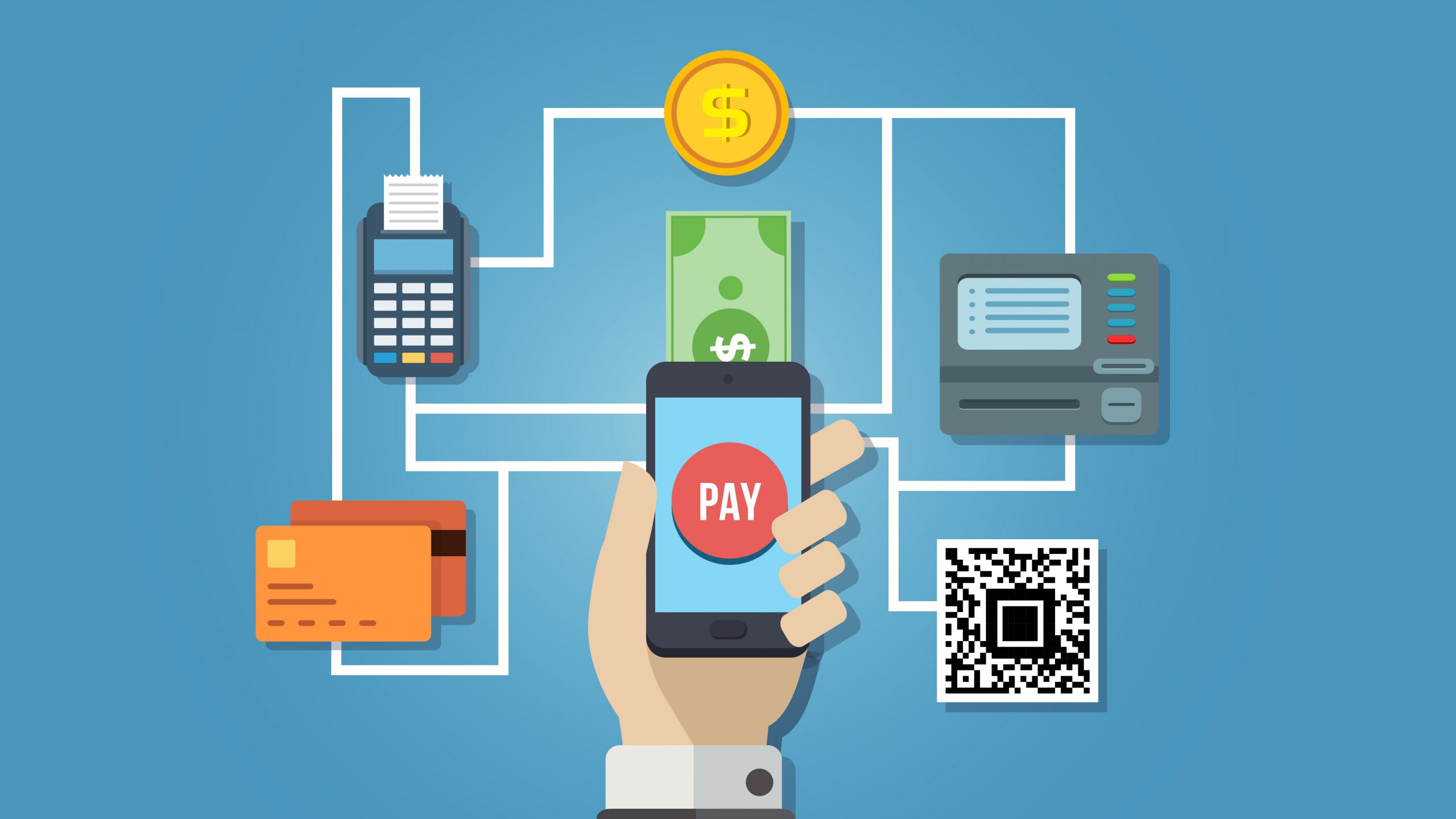
In today’s fast-paced, technology-driven world, e-payments have revolutionized the way we conduct financial transactions. Gone are the days when cash or checks were the primary methods for making payments. The digital age has ushered in a new era where electronic payment systems dominate, enabling consumers and businesses to perform transactions quickly, securely, and conveniently. E-payments have become indispensable in a wide range of sectors, including e-commerce, banking, and even everyday consumer purchases. This article delves into the rise of 香港電子支付 s, exploring their benefits, challenges, and the role they are playing in the future of finance.

What Are E-Payments?

E-payments, or electronic payments, refer to the transfer of money through digital channels, allowing for transactions without the need for physical cash. These transactions can take place between individuals, businesses, or between a consumer and a company, typically over the internet or via mobile networks. E-payment systems are facilitated through tools such as credit and debit cards, digital wallets, mobile payments, bank transfers, and even cryptocurrencies.

E-payments offer an alternative to traditional methods, eliminating the need to carry physical money and streamlining the entire payment process. Today, consumers expect seamless, secure, and instantaneous transactions, which e-payment systems are designed to provide.

The Evolution of E-Payments

The concept of electronic payments has evolved drastically over the past few decades, driven by advances in technology and changing consumer preferences. Let’s take a closer look at the key stages in the evolution of e-payments:

  1. The Early Days of E-Payments: Credit Cards (1950s – 1980s) The concept of digital payments started with the invention of credit cards. These cards allowed consumers to borrow money from a financial institution and make purchases at various retailers. While early systems were physical cards and point-of-sale devices, this set the foundation for the development of digital transactions. By the 1980s, debit cards and ATMs were introduced, allowing for direct access to personal bank accounts.

  2. The Birth of Online Payments: PayPal and E-Commerce (1990s – Early 2000s) The 1990s saw the rise of the internet, and with it, the need for online payment systems. PayPal, founded in 1998, became one of the most significant players in the field, allowing people to send and receive money online safely and efficiently. This led to the growth of e-commerce, as businesses could now accept payments over the internet. With increasing internet penetration and a surge in online shopping, digital payments began to take off.

  3. Mobile Payments Revolution (2000s – Present) The introduction of smartphones in the early 2000s opened up new opportunities for payment systems. Mobile wallets like Apple Pay, Google Pay, and Samsung Pay began allowing consumers to make payments directly from their phones. This eliminated the need for physical cards and allowed users to simply tap their devices at POS terminals for instant transactions. Additionally, mobile payment systems like Venmo and PayPal’s mobile app made peer-to-peer transactions simpler.

  4. Cryptocurrency and Blockchain: The Future of E-Payments (2009 – Present) The launch of Bitcoin in 2009 introduced the world to cryptocurrencies, offering a decentralized, peer-to-peer alternative to traditional currency. Blockchain technology enables these transactions to be verified and recorded securely without the need for intermediaries. Although cryptocurrencies are still evolving, their use in global payments has expanded, with more businesses accepting Bitcoin and other digital currencies. Cryptocurrencies are often considered a disruptive force in the future of digital payments, particularly for cross-border transactions.

  5. The Rise of Buy Now, Pay Later (BNPL) (2010s – Present) The emergence of Buy Now, Pay Later (BNPL) services such as Klarna, Afterpay, and Affirm has provided consumers with more flexible payment options. With BNPL, consumers can make purchases and spread payments over time, often with little to no interest, making high-value goods more accessible and affordable.

Types of E-Payment Systems

E-payment systems come in a variety of forms, each offering distinct advantages for consumers and businesses. Let’s take a look at the most popular types of e-payment systems:

  1. Credit and Debit Cards Credit and debit cards are one of the most common methods of e-payments, issued by financial institutions such as Visa, MasterCard, and American Express. Credit cards allow users to borrow funds up to a pre-approved limit, while debit cards allow users to access their own funds. These cards are widely accepted in both online and physical stores.

  2. Digital Wallets (E-Wallets) Digital wallets, or e-wallets, store users' payment information securely in one place. Popular digital wallets like PayPal, Apple Pay, and Google Pay enable users to make instant payments using their smartphones or computers. Digital wallets also often store loyalty cards, gift cards, and other forms of digital currency, making them a convenient, all-in-one solution for managing payments.

  3. Bank Transfers Bank transfers are a direct way of moving money from one bank account to another, either through online banking or mobile apps. Wire transfers and ACH (Automated Clearing House) payments allow for both domestic and international payments. This method is commonly used for larger transactions, bill payments, and salary deposits.

  4. Cryptocurrency Payments Cryptocurrencies like Bitcoin, Ethereum, and Ripple are digital currencies that operate on blockchain networks. These transactions are decentralized, meaning they don’t rely on central authorities like banks. Cryptocurrency payments are becoming increasingly popular for online transactions, especially for cross-border transfers, due to their low fees and rapid transaction times.

  5. Mobile Payments Mobile payments are payments made through smartphones, either through apps or by using Near Field Communication (NFC) technology. Apple Pay, Google Pay, and Samsung Pay are among the most popular mobile payment services, enabling users to complete purchases with a simple tap of their smartphone or smartwatches. This method is especially convenient for small transactions in retail environments.

  6. Buy Now, Pay Later (BNPL) Buy Now, Pay Later (BNPL) services have become a popular payment option for consumers who wish to make purchases and spread payments over time. Services like Afterpay, Klarna, and Affirm allow users to pay in installments, typically with no interest if paid within a given period. BNPL services are most commonly used in e-commerce and retail purchases.

Benefits of E-Payments

E-payments come with a wide array of benefits, both for consumers and businesses:

  1. Convenience One of the biggest advantages of e-payments is their convenience. Consumers can make payments anytime and from anywhere with an internet connection, without needing to carry physical cash or checks. Whether it’s for online shopping, paying bills, or transferring money, e-payments make financial transactions quick and hassle-free.

  2. Speed E-payments are processed much faster than traditional payment methods. For instance, an online bank transfer or a cryptocurrency transaction can be completed in seconds, whereas traditional methods like check payments or wire transfers may take days.

  3. Security E-payment systems typically offer higher levels of security compared to physical cash transactions. Many platforms employ encryption, multi-factor authentication, and tokenization to protect sensitive financial information. Blockchain, in particular, offers an added layer of security by providing transparent and immutable transaction records.

  4. Global Reach E-payment systems enable consumers and businesses to engage in international transactions with ease. Cryptocurrencies and digital wallets, in particular, facilitate cross-border payments, reducing the need for currency conversion and the long delays associated with traditional banking systems.

  5. Cost-Effectiveness Digital payments tend to be cheaper than traditional payment methods. For example, international wire transfers and credit card fees are typically higher than the fees associated with e-payment platforms like PayPal or Venmo. E-payment systems also reduce administrative costs for businesses by eliminating the need for cash handling and check processing.

  6. Financial Inclusion E-payment systems help promote financial inclusion, particularly in underserved regions. Mobile money services like M-Pesa have enabled millions of people without access to traditional banking services to make payments, receive funds, and store money on their mobile devices.

Challenges of E-Payments

While e-payments offer numerous advantages, there are also some challenges that need to be addressed:

  1. Cybersecurity Risks As e-payment systems grow in popularity, they also become targets for cybercriminals. Fraud, hacking, and data breaches are serious concerns, and companies must invest in robust security measures to protect users’ financial information.

  2. Privacy Concerns E-payment systems require users to share sensitive personal and financial data, raising concerns about privacy. There are fears that this information could be accessed or misused by third parties, especially if it’s not properly protected.

  3. Digital Divide Not everyone has access to the internet, smartphones, or digital banking services, creating a digital divide. This exclusion can prevent certain populations, particularly in rural or developing areas, from benefiting fully from the rise of e-payments.

  4. Regulatory Issues The rapid growth of e-payment systems has outpaced regulatory frameworks in many countries. Governments are working to create legislation that ensures security and consumer protection while also promoting innovation in digital payments. The lack of uniform regulations can complicate cross-border transactions and hinder the global growth of e-payments.

The Future of E-Payments

The future of e-payments is bright, with advancements in technology and changing consumer demands continuing to shape the landscape. Key trends that will likely define the future of e-payments include:

  1. Blockchain and Cryptocurrencies Blockchain technology and cryptocurrencies are expected to continue disrupting traditional payment systems. With Central Bank Digital Currencies (CBDCs) on the horizon, digital currencies may become the norm in the coming years, further decentralizing the global financial system.

  2. Artificial Intelligence (AI) AI and machine learning will play a crucial role in improving fraud detection, personalizing payment experiences, and streamlining payment processes. AI can help analyze transaction data in real-time, enhancing security and offering tailored solutions for consumers.

  3. Biometric Authentication Biometric authentication technologies, such as facial recognition and fingerprint scanning, will become more widespread in e-payments. These methods offer added layers of security and convenience, reducing the need for passwords or PINs.

  4. Seamless Payments with IoT The rise of the Internet of Things (IoT) will create a more integrated and seamless payment experience. Devices like smart refrigerators, autonomous vehicles, and wearables will handle payments automatically, making transactions virtually invisible to consumers.

Conclusion

E-payments have become a transformative force in the world of finance, offering increased convenience, speed, security, and accessibility. While challenges such as cybersecurity risks, privacy concerns, and digital inequality remain, technological innovations are poised to address these issues in the near future. As e-payment systems evolve, they will continue to reshape the global economy, making financial transactions faster, more secure, and more inclusive than ever before.

The Ultimate Guide to Diamonds: Everything You Need to KnowThe Ultimate Guide to Diamonds: Everything You Need to Know

Diamonds are one of the most valuable and sought-after gemstones in the world. Known for their brilliance, hardness, and timeless beauty, diamonds have been symbols of love, luxury, and wealth for centuries. Whether you are buying a diamond for an engagement ring, investment, or personal collection, understanding the essential factors about diamonds is crucial.

The Formation and Composition of Diamonds

Diamonds are formed deep within the Earth's mantle under extreme heat and pressure. Composed entirely of carbon atoms, diamonds have a unique crystal structure that makes them the hardest known natural material. These gemstones take millions to billions of years to form, making them one of the rarest and most precious natural wonders.

The Four Cs of Diamonds

When purchasing a diamond, experts evaluate it based on the Four Cs: Carat, Cut, Color, and Clarity.

1. Carat: Measuring a Diamond's Weight

The carat weight of a diamond refers to its size and mass. One carat is equal to 0.2 grams. Larger diamonds are more valuable due to their rarity, but two diamonds of the same carat weight can have vastly different values depending on their cut, color, and clarity.

2. Cut: The Key to Sparkle and Brilliance

The cut of a diamond determines how well it reflects light. A well-cut diamond will appear more brilliant and fiery, enhancing its overall appeal. The most popular diamond cuts include:

  • Round Brilliant – The most popular and sparkly cut.

  • Princess Cut – A square cut with sharp edges.

  • Cushion Cut – A vintage-inspired cut with rounded corners.

  • Emerald Cut – A rectangular cut with step-like facets.

  • Oval, Marquise, and Pear Cuts – Unique cuts that elongate the finger.

3. Color: Evaluating a Diamond's Hue

Diamonds are graded on a color scale from D (colorless) to Z (light yellow or brown). The closer a diamond is to being colorless, the higher its value. Fancy-colored diamonds, such as blue, pink, and yellow diamonds, are highly valuable due to their rarity.

4. Clarity: Assessing Internal and External Flaws

Clarity refers to the imperfections (inclusions) and blemishes in a diamond. The clarity grading scale ranges from Flawless (FL) to Included (I3). The fewer the inclusions, the more valuable the diamond.

Types of Diamonds

There are different types of diamonds available in the market, each with its unique properties and appeal:

1. Natural Diamonds

These are diamonds formed naturally within the Earth over millions of years. They are the most valuable and sought-after diamonds due to their rarity and authenticity.

2. Lab-Grown Diamonds

Lab-created diamonds have the same chemical and physical properties as natural diamonds but are grown in a controlled laboratory environment. They are more affordable and environmentally friendly than mined diamonds.

3. Treated Diamonds

Some diamonds undergo treatments to enhance their appearance, such as laser drilling to remove inclusions or high-temperature treatments to improve color.

4. Fancy Color Diamonds

Rare colored diamonds, such as blue, pink, and green diamonds, are prized for their unique hues and are often more valuable than traditional white diamonds.

How to Buy the Perfect Diamond

Buying a diamond requires careful consideration of various factors. Here are key tips to help you make an informed purchase:

  1. Set a Budget – Determine how much you’re willing to spend and prioritize the Four Cs accordingly.

  2. Choose the Right Cut – The cut has the most impact on the diamond’s sparkle and brilliance.

  3. Opt for a Certified Diamond – Always buy diamonds that come with certification from GIA (Gemological Institute of America) or AGS (American Gem Society).

  4. Compare Prices – Research different jewelers and online stores to find the best deal.

  5. Understand Diamond Settings – The type of ring setting can enhance the beauty of a diamond. Popular settings include prong, bezel, halo, and pave settings.

Investing in Diamonds

Diamonds can be a solid investment due to their rarity and lasting value. However, before investing, consider:

  • Market Trends – Understand the demand and pricing trends in the diamond industry.

  • Certified and High-Quality Diamonds – Only invest in diamonds with high clarity, cut, and certification.

  • Storage and Insurance – Protect your investment by ensuring proper storage and insurance coverage.

Famous Diamonds in History

Throughout history, several diamonds have gained worldwide recognition for their size, beauty, and mysterious origins. Some of the most famous diamonds include:

  • The Hope Diamond – A rare blue diamond with a history of legends and curses.

  • The Cullinan Diamond – The largest rough diamond ever discovered, cut into multiple pieces for British crown jewels.

  • The Koh-i-Noor Diamond – A legendary diamond with a controversial history, now part of the British Crown Jewels.

  • The Pink Star Diamond – One of the most expensive pink diamonds ever sold at auction.

Caring for Your Diamond

To maintain a diamond’s beauty and brilliance, proper care is essential:

  • Regular Cleaning – Use a gentle cleaning solution or have it professionally cleaned.

  • Safe Storage – Store diamonds separately to avoid scratches.

  • Avoid Harsh Chemicals – Remove diamond jewelry when using strong detergents or chemicals.

  • Routine Inspections – Have your diamond jewelry checked by a professional jeweler to ensure prongs and settings remain secure.

Conclusion

Diamonds are more than just stunning gemstones; they are symbols of elegance, love, and wealth. Whether purchasing a diamond for an engagement ring, investment, or collection, understanding the Four Cs, different types of diamonds, and proper care techniques is essential. By making an informed decision, you can ensure you acquire a 鑽石耳環 that holds both beauty and value for a lifetime.

Jersey Design: The Ultimate Guide to Creating Stunning and Functional JerseysJersey Design: The Ultimate Guide to Creating Stunning and Functional Jerseys

In the world of sports, esports, and casual fashion, a well-designed jersey is more than just a uniform. It represents team identity, branding, and personal style. Whether designing for a professional sports team, a corporate event, or personal use, understanding the key elements of jersey design ensures an outstanding final product.

Key Elements of a Perfect Jersey Design

1. Purpose and Functionality

Before creating a jersey, it is crucial to identify its primary purpose. Jerseys are designed for sports teams, esports players, corporate events, and casual wear. The fabric choice, fit, and design elements should align with the intended use.

  • Sports Jerseys: Need to be breathable, moisture-wicking, and durable.

  • Esports Jerseys: Should have a modern, sleek look while ensuring comfort during long gaming sessions.

  • Casual Jerseys: Can prioritize style over performance materials.

2. Choosing the Right Fabric

Fabric selection plays a vital role in comfort, performance, and durability. Common materials include:

  • Polyester: Lightweight, moisture-wicking, and breathable.

  • Mesh Fabric: Ensures ventilation and keeps players cool.

  • Cotton Blends: Suitable for casual and promotional jerseys.

  • Spandex Mix: Provides flexibility and enhances movement.

3. Color Selection and Psychology

Colors have a psychological impact and can influence team performance and fan perception. When choosing colors:

  • Bold colors (red, black, navy) represent power and aggression.

  • Light colors (white, yellow, sky blue) symbolize energy and positivity.

  • Team Colors: Should align with branding and historical identity.

  • Contrast & Visibility: Ensures numbers and logos stand out clearly.

4. Typography and Numbering

The font style and numbering system play an essential role in jersey aesthetics and readability.

  • Legibility: Choose a font that is clear from a distance.

  • Bold Fonts: Enhance the team’s identity.

  • Customization: Many teams opt for unique font styles to stand out.

  • Outline and Shadow Effects: Improve visibility under different lighting conditions.

5. Logo Placement and Branding

A well-placed logo enhances brand recognition and team identity. Standard placements include:

  • Center of the chest: Common for sports teams.

  • Upper left or right chest: Suitable for corporate jerseys.

  • Sleeves or back: Additional sponsor or player-specific branding.

  • Watermarks or sublimated logos: Subtle branding techniques for a modern look.

Jersey Design Techniques

1. Sublimation Printing vs. Screen Printing

  • Sublimation Printing:

    • Long-lasting and vibrant colors.

    • Doesn’t fade or crack.

    • Ideal for intricate and gradient designs.

  • Screen Printing:

    • Best for bold, single-color logos and text.

    • More cost-effective for bulk orders.

    • Durable but can crack over time.

2. Digital Jersey Mockups

Before printing, designers use mockups to visualize the final product. Popular tools include:

  • Adobe Photoshop & Illustrator: Industry standards for professional design.

  • Canva & CorelDRAW: Ideal for beginners and quick prototypes.

  • Online Jersey Design Tools: Many manufacturers provide online tools to customize jerseys.

3. Customization for Teams and Individuals

Offering personalized elements such as names, numbers, and unique patterns makes jerseys special. Customization options include:

  • Embroidered Patches: High-quality branding technique for professional teams.

  • Heat Transfer Vinyl: Great for one-off custom jerseys.

  • Sublimated Graphics: Long-lasting and high-quality for detailed designs.

Trends in 足球球衣 for 2025

1. Minimalist Aesthetics

Sleek, simple designs with subtle gradients and monochrome palettes are gaining popularity. Minimalist designs enhance versatility and professional appeal.

2. Sustainable Materials

Eco-friendly jerseys made from recycled polyester and organic cotton are in demand as teams and organizations focus on sustainability.

3. Bold Graphics and Retro Styles

Nostalgic designs inspired by 1990s and early 2000s fashion are making a comeback, featuring oversized logos, neon colors, and asymmetrical patterns.

4. Integration of Smart Technology

Some jerseys now incorporate smart fabrics with features like moisture control, temperature regulation, and biometric tracking to enhance performance.

Best Practices for Ordering Custom Jerseys

1. Choosing the Right Supplier

Select a reputable manufacturer with experience in high-quality sportswear and apparel production. Factors to consider include:

  • Quality of fabric and printing techniques.

  • Customization options and flexibility.

  • Turnaround time and pricing.

  • Customer reviews and testimonials.

2. Ordering in Bulk vs. Individual Orders

  • Bulk Orders: More cost-effective, best for teams and organizations.

  • Single Orders: Ideal for custom and promotional jerseys, though pricing may be higher.

3. Ensuring Proper Sizing

Always check the manufacturer’s size chart and order samples if possible. Different brands may have slightly different sizing standards.

Conclusion

A well-designed jersey is a powerful statement of identity, branding, and performance. By carefully considering fabric, color, typography, printing methods, and customization, you can create a jersey that is both aesthetically pleasing and functional.

Whether for professional teams, esports, or casual wear, following these best practices ensures your jerseys stand out from the competition.

The Role of a Private Detective: Uncovering Truth with DiscretionThe Role of a Private Detective: Uncovering Truth with Discretion

Private detectives play a crucial role in modern investigations, offering professional expertise in cases ranging from personal disputes to corporate fraud. Their ability to gather critical information discreetly makes them invaluable in legal, business, and personal matters.

What Does a Private Detective Do?

A private detective is a trained investigator who specializes in uncovering information that may not be easily accessible through conventional means. Some of their core responsibilities include:

  • Surveillance Services: Monitoring individuals to collect evidence discreetly.

  • Infidelity Investigations: Gathering proof of unfaithfulness in relationships.

  • Corporate Investigations: Detecting fraud, misconduct, and potential business risks.

  • Background Checks: Verifying personal or professional histories of individuals.

  • Missing Persons Cases: Locating lost or evasive individuals.

  • Legal Support & Evidence Gathering: Assisting attorneys with crucial case details.

Methods & Techniques Used by Private Detectives

Private detectives employ a variety of methods to conduct thorough investigations, such as:

  • Covert Surveillance: Using high-tech cameras and audio devices to collect discreet evidence.

  • Digital Forensics: Analyzing electronic communications, financial records, and online activity.

  • GPS Tracking: Monitoring movements to establish patterns and gather relevant information.

  • Interviews & Witness Statements: Conducting inquiries to support investigative findings.

The Importance of Confidentiality

One of the most vital aspects of private investigations is maintaining client confidentiality. Reputable private detectives follow strict ethical guidelines to ensure privacy and security in all cases they handle.

Choosing the Right Private Detective Agency

When selecting a private detective, consider these factors:

  • Experience & Credentials: Choose an agency with a proven track record and necessary licenses.

  • Client Reviews & Testimonials: Research feedback from previous clients to gauge reliability.

  • Specialized Expertise: Ensure the detective specializes in the type of investigation you require.

  • Legal Compliance: Confirm that the agency follows all local laws and ethical standards.

Contact HKWKO for Expert Investigations

For those seeking reliable and confidential private investigation services in Hong Kong, Hong Kong Professional Investigations (HKWKO) is a trusted name. With expertise in both personal and corporate investigations, HKWKO guarantees professional and discreet services.

For consultations, visit https://hkwko.com.hk/ or contact their offices directly.

Conclusion

私家偵探社 s serve as the bridge between uncertainty and the truth, providing critical insights in various cases. Whether dealing with personal suspicions, corporate fraud, or legal disputes, hiring a professional investigator ensures that you receive accurate and confidential information to make informed decisions.