Spart And Design Health & Fitness درمان زگیل تناسلی: راهکارهای موثر برای کنترل و از بین بردن زگیل‌های جنسی

درمان زگیل تناسلی: راهکارهای موثر برای کنترل و از بین بردن زگیل‌های جنسی


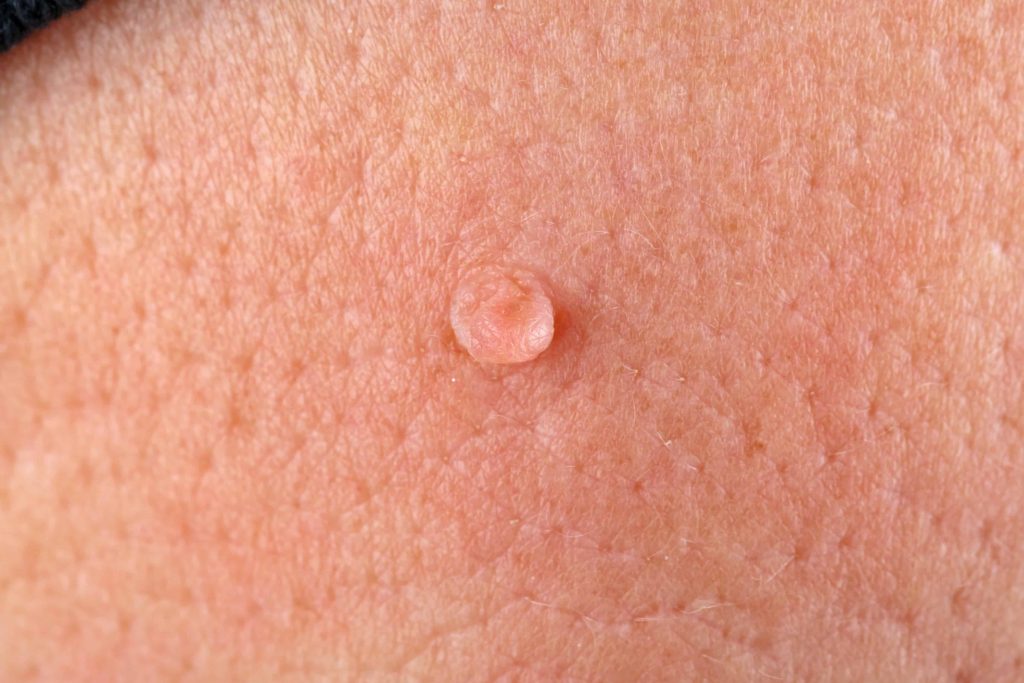
زگیل تناسلی یکی از شایع‌ترین عفونت‌های منتقله از راه جنسی است که توسط ویروس پاپیلومای انسانی (HPV) ایجاد می‌شود. این بیماری می‌تواند در نواحی تناسلی، مقعد و اطراف آن ظاهر شود و باعث ایجاد برجستگی‌های کوچک، خارش، سوزش و گاهی درد شود. با توجه به شیوع بالای این بیماری و تاثیر آن بر کیفیت زندگی، آشنایی با روش‌های درمان زگیل تناسلی و اقدامات پیشگیرانه از اهمیت ویژه‌ای برخوردار است.

شناخت زگیل تناسلی

زگیل تناسلی معمولاً به صورت برجستگی‌های نرم و کوچک روی پوست یا غشاهای مخاطی ظاهر می‌شود و می‌تواند به صورت تکی یا خوشه‌ای رشد کند. بسیاری از افراد مبتلا ممکن است هیچ علامتی نداشته باشند و تنها از طریق معاینات پزشکی از وجود زگیل مطلع شوند. تشخیص زودهنگام نقش کلیدی در درمان سریع و جلوگیری از انتقال ویروس به دیگران دارد.

روش‌های دارویی درمان زگیل تناسلی

یکی از رایج‌ترین روش‌های https://aftabnews.ir/fa/news/1008051/%D8%AF%D8%B1%D9%85%D8%A7%D9%86-%D8%B3%D8%B1%DB%8C%D8%B9-%D9%88-%D9%82%D8%B7%D8%B9%DB%8C-%D8%B2%DA%AF%DB%8C%D9%84-%D8%AA%D9%86%D8%A7%D8%B3%D9%84%DB%8C-%D8%A8%D8%A7-%D9%84%DB%8C%D8%B2%D8%B1 ، استفاده از داروهای موضعی است که مستقیماً روی زگیل‌ها اعمال می‌شوند. این داروها شامل:

  • پماد ایمی‌کیمود (Imiquimod): این دارو با تحریک سیستم ایمنی بدن، سلول‌های آلوده به HPV را از بین می‌برد.

  • پودوفیلوکس (Podophyllotoxin): دارویی که با تأثیر مستقیم روی سلول‌های زگیل باعث تخریب آن‌ها می‌شود.

  • محلول تری‌کلرو استیک اسید (TCA): توسط پزشک روی زگیل‌ها اعمال می‌شود و باعث از بین رفتن سلول‌های آلوده می‌شود.

استفاده از این داروها باید تحت نظر پزشک انجام شود تا عوارض جانبی کاهش یابد و درمان موثر باشد.

روش‌های جراحی و فیزیکی

در مواردی که زگیل‌ها بزرگ، مقاوم به دارو یا متعدد باشند، روش‌های فیزیکی و جراحی پیشنهاد می‌شود:

  • کرایوتراپی (انجماد): در این روش، زگیل‌ها با نیتروژن مایع منجمد و تخریب می‌شوند.

  • لیزر درمانی: لیزر با دقت بالا سلول‌های آلوده را از بین می‌برد و برای زگیل‌های بزرگ یا مقاوم مناسب است.

  • برداشتن جراحی: در موارد نادر، زگیل‌ها به کمک جراحی کوچک برداشته می‌شوند.

این روش‌ها معمولاً اثر سریع‌تری نسبت به داروهای موضعی دارند و برای موارد شدیدتر کاربرد دارند.

پیشگیری و مراقبت‌های پس از درمان

  • حفظ بهداشت شخصی: شستشوی منظم و خشک نگه داشتن نواحی تناسلی، احتمال گسترش زگیل را کاهش می‌دهد.

  • استفاده از کاندوم: کاندوم می‌تواند انتقال ویروس HPV را کاهش دهد، هرچند 100٪ محافظت ایجاد نمی‌کند.

  • واکسن HPV: تزریق واکسن HPV می‌تواند از ابتلا به برخی انواع ویروس و زگیل تناسلی جلوگیری کند.

  • پیگیری پزشکی: حتی پس از درمان، معاینات دوره‌ای برای بررسی عود زگیل ضروری است.

نتیجه‌گیری

درمان زگیل تناسلی نیازمند ترکیبی از روش‌های دارویی، جراحی و مراقبت‌های پیشگیرانه است. تشخیص زودهنگام، رعایت نکات بهداشتی و پیگیری درمان می‌تواند از گسترش بیماری جلوگیری کند و سلامت جسمی و روانی فرد را حفظ نماید. با استفاده از روش‌های درمانی موثر و اقدامات پیشگیرانه، افراد مبتلا می‌توانند زندگی سالم و بدون نگرانی از عود زگیل تناسلی داشته باشند.

Leave a Reply

Your email address will not be published. Required fields are marked *

Related Post

How medical billing software improves efficiency?How medical billing software improves efficiency?

Imagine this: Your front office is drowning in paperwork. Patients are waiting longer. Claims are getting denied. Payments are delayed. And your staff is spending hours tracking down errors, manually entering codes, and correcting insurance details. Sound familiar?

If you’re in the healthcare industry, you already know how chaotic medical billing can become. But what if there was a way to automate, streamline, and improve your entire billing process, saving your team time and your practice money?

Enter medical billing software—the game changer your healthcare practice didn’t know it desperately needed.

Healthcare has come a long way in adopting digital tools, but medical billing is one area where many practices still lag behind. Traditional billing methods rely heavily on manual entry, paper forms, and phone calls to insurance companies. This not only slows down operations but also increases the risk of human error.

With the increasing pressure on providers to deliver quality care and maintain financial health, switching to medical billing software is no longer a luxury—it's a necessity.

Let’s dive into how it works, what it offers, and most importantly, how EHR EMR softwares with integrated billing boost efficiency at every level of your practice.


What is Medical Billing Software?

Medical billing software is a digital tool designed to automate and streamline the billing process in healthcare practices. It manages everything from patient registration and insurance verification to claim submission and payment tracking.

By integrating with your electronic health record (EHR) system, medical billing software simplifies coding, reduces errors, and accelerates reimbursements.


H2: How Medical Billing Software Improves Efficiency

Let’s explore the specific ways medical billing software increases efficiency across various functions.

H3: 1. Streamlined Patient Onboarding

The efficiency boost starts right from patient registration. With medical billing software, patients can fill out forms digitally, and their information is instantly stored and accessible. This eliminates redundant data entry and reduces the risk of errors that could delay billing later on.

  • Digital forms pre-fill patient details.

  • Insurance is verified in real-time.

  • Demographic and policy data are stored securely.

H3: 2. Faster Insurance Verification

Manually checking insurance coverage is one of the most time-consuming tasks. Medical billing software automates this process by integrating with payer systems and providing real-time insurance verification.

This ensures:

  • Fewer denied claims due to coverage issues.

  • Upfront knowledge of co-pays and deductibles.

  • Smoother communication with patients about their financial responsibilities.

H3: 3. Accurate Medical Coding

Incorrect or missing codes are one of the primary reasons for claim denials. Medical billing software often includes coding assistance, automatic updates to the latest ICD and CPT codes, and cross-checking features to reduce mistakes.

  • Built-in code libraries and auto-suggestions.

  • Flagging of mismatched codes.

  • Fewer resubmissions, saving time and revenue.

H3: 4. Automated Claim Generation and Submission

One of the biggest inefficiencies in medical billing is the manual creation and submission of claims. With software, claims are auto-generated from patient encounters and submitted electronically to insurers.

  • Speeds up claim processing.

  • Reduces human involvement and errors.

  • Tracks claim status in real-time.

H3: 5. Reduced Denials and Rejections

Denials are costly. With advanced features like claim scrubbing and built-in compliance checks, medical billing software catches errors before submission.

  • Ensures clean claims.

  • Identifies missing or invalid information.

  • Allows instant correction and resubmission.

H3: 6. Centralized Billing Dashboard

With a centralized dashboard, staff can monitor the entire medical billing process in one place. This provides a clear view of:

  • Pending claims.

  • Payments received.

  • Outstanding balances.

  • Denials and appeals.

This visibility helps teams prioritize tasks, act on bottlenecks, and reduce the time spent searching for information.

H3: 7. Faster Payments and Improved Cash Flow

By reducing the time between service delivery and claim reimbursement, medical billing software accelerates revenue cycles. With quicker processing and fewer errors, practices see:

  • Reduced accounts receivable days.

  • Fewer billing follow-ups.

  • More predictable income streams.

H3: 8. Enhanced Patient Experience

Patients appreciate transparency and efficiency. When billing is handled smoothly, they’re more likely to trust your practice.

  • Clear, itemized digital bills.

  • Online payment options.

  • Automated reminders and statements.

A better medical billing process means happier patients and better retention.

H3: 9. Integration with EHR and Practice Management Systems

The real power of medical billing software lies in its integration. When billing data is connected to EHR systems and scheduling tools, it eliminates double entry and aligns administrative workflows.

  • Reduces redundant tasks.

  • Minimizes communication gaps.

  • Increases staff productivity.

H3: 10. Reporting and Analytics for Informed Decisions

Data is critical for making informed financial and operational decisions. Most medical billing software comes with robust reporting features.

  • Track revenue trends and payer performance.

  • Monitor staff productivity.

  • Identify underperforming services.

Analytics help fine-tune operations and maximize billing efficiency over time.


H2: Key Features to Look for in Medical Billing Software

Not all systems are created equal. When choosing a platform, ensure it includes:

H3: a. Claim Scrubbing and Validation

Pre-checks to flag issues before submission.

H3: b. Real-Time Eligibility Checks

Instant verification of insurance coverage.

H3: c. Secure Cloud Access

Enables remote access and data backup.

H3: d. Customizable Reports

Insights tailored to your practice needs.

H3: e. Automated Follow-ups

Triggers for denials, rejections, or unpaid claims.

H3: f. Compliance Tools

HIPAA-compliant handling of sensitive data.


H2: Common Myths About Medical Billing Software

Let’s bust a few common misconceptions.

H3: “It’s too expensive.”

The cost is often outweighed by the revenue it recovers through faster, more accurate billing.

H3: “We’re too small to need it.”

Even small practices benefit from automation and reduced workload.

H3: “The learning curve is too high.”

Modern systems are user-friendly, and many vendors offer training and support.


H2: Real-World Benefits for Healthcare Providers

H3: Primary Care Clinics

With high patient volumes, these clinics benefit from quick eligibility checks and automated claim submissions.

H3: Specialty Practices

Specialties like cardiology or orthopedics benefit from software tailored with specialty-specific codes and billing rules.

H3: Mental Health Providers

Psychiatrists and counselors appreciate features like session-based billing and integrated patient notes.

H3: Hospitals and Large Facilities

Robust systems support high transaction volumes and provide detailed reporting for finance departments.

Now that you’ve seen the benefits, imagine your practice:

  • Running without billing bottlenecks.

  • Patients getting bills they can understand.

  • Payments arriving quicker than ever.

  • Staff free to focus on care—not paperwork.

This is not just a dream—it’s the power of efficient medical billing.

Step 1: Evaluate Your Needs

Assess your practice size, specialties, and existing workflow. Decide what integrations you need.

Step 2: Research Vendors

Look for software providers with strong reputations, transparent pricing, and comprehensive feature sets.

Step 3: Ask the Right Questions

  • Does it integrate with your EHR?

  • How are updates and upgrades handled?

  • Is support available 24/7?

Step 4: Take a Trial or Demo

Most providers offer a demo. Try it with real data and see how intuitive the system feels.

Step 5: Train Your Team

Successful adoption depends on proper onboarding. Ensure your team is trained to use the software efficiently.


Conclusion

In today’s fast-paced healthcare environment, there’s no room for outdated processes. Medical billing is the lifeline of your revenue cycle, and delays or errors in billing can ripple across your entire practice.

By embracing medical billing software, you're investing in:

  • Greater accuracy.

  • Faster payments.

  • Happier patients.

  • Less stress for your staff.

Efficiency is no longer a bonus—it’s a necessity. Don’t let billing be the weak link in your patient care chain. With the right tools in place, your practice can run smoother, get paid faster, and grow stronger.

Top 10 Reasons To Buy An IRest Massage ChairTop 10 Reasons To Buy An IRest Massage Chair

Imagine ending every day enveloped in a cocoon of unparalleled comfort—where tension dissolves, stress retreats, and your body feels revitalized in minutes. The Best iRest Massage Chair isn’t just a luxurious indulgence; it’s a transformative investment in your well-being.

Engineered with precision, this masterpiece blends cutting-edge massage technology with ergonomic artistry, turning your living room into a private wellness retreat. Feel the synchronized rhythm of rollers and airbags mimicking the hands of a skilled therapist, kneading away stubborn knots and invigorating tired muscles.

Whether it’s targeting deep tissue fatigue, aligning your posture, or simply offering a sanctuary of serenity, the iRest delivers a holistic experience that’s leagues beyond conventional seating. Imagine reclining effortlessly as zero-gravity positioning cradles your spine, enhancing circulation and melting away strain.

This is not just about comfort—it’s about reclaiming vitality, boosting recovery, and elevating daily living. With unmatched versatility, premium craftsmanship, and features designed to adapt to your unique needs, the iRest Massage Chair offers more than relaxation—it offers restoration. The decision isn’t whether you need it; it’s how soon you’ll bring it home.

1. Unmatched Massage Technology

The iRest Massage Chair incorporates cutting-edge 3D and 4D massage mechanisms that mimic the hands of a professional masseuse. Instead of simple vibration or surface-level pressure, the rollers penetrate deep into muscle tissue to release knots, improve flexibility, and restore mobility. These rollers move in multiple directions, adjusting intensity and speed to match your preferences.

What sets the iRest Massage Chair apart is its intelligent body-scanning system. The moment you sit down, sensors map your body shape, identifying key pressure points. This ensures that every massage—whether Shiatsu, Swedish, or deep tissue—is perfectly tailored to your anatomy.

2. Full-Body Relaxation From Head to Toe

While many chairs focus only on the back, the iRest Massage Chair delivers a complete head-to-toe experience. Airbags gently compress your shoulders, arms, hips, calves, and feet, improving circulation and relieving fatigue. The foot rollers stimulate reflexology points, which can help reduce headaches, boost immunity, and ease tension throughout the body.

It’s not just about relaxation—it’s about restoring your body’s natural balance. After just 20 minutes, you’ll feel lighter, looser, and more energized.

3. Zero Gravity Position for Ultimate Comfort

One of the most praised features of the iRest Massage Chair is its zero gravity seating position. Inspired by NASA, this posture elevates your legs above your heart, reducing spinal pressure and enhancing blood flow. This not only deepens relaxation but also amplifies the massage’s effectiveness.

By evenly distributing your weight, zero gravity positioning also helps alleviate chronic back pain and improves breathing—making it an excellent option for people with heart or lung issues.

4. Stress and Anxiety Relief

Modern life is stressful, and chronic stress can lead to serious health problems like hypertension, insomnia, and weakened immunity. The iRest Massage Chair provides a safe, non-invasive way to manage stress daily.

Massage therapy triggers the release of endorphins—the body’s natural “feel-good” hormones—while lowering cortisol, the stress hormone. After each session, you’ll notice improved mood, better focus, and a sense of mental clarity. It’s like pressing the reset button for your mind.

5. Customizable Programs for Every Lifestyle

No two bodies are the same, and the iRest Massage Chair understands that. It comes preloaded with a variety of massage modes, from gentle relaxation to intense deep tissue therapy. You can choose targeted programs for neck and shoulder pain, lower back relief, or leg fatigue.

You can even save your favorite settings, so with one touch, your chair remembers exactly how you like it. Whether you want a quick 10-minute refresh before work or a luxurious 45-minute wind-down before bed, this chair adapts to you—not the other way around.

6. Improved Circulation and Pain Relief

Poor circulation can lead to cold hands and feet, swelling, and even long-term health issues. The iRest Massage Chair combats this by combining heat therapy, air compression, and rhythmic kneading that stimulates blood flow.

This improved circulation means more oxygen and nutrients reach your muscles and tissues, accelerating healing and reducing inflammation. For those with arthritis, sciatica, or muscle injuries, this can mean faster recovery and lasting relief.

7. Convenience and Time Savings

Think about how much time and energy it takes to book a massage appointment, travel to the spa, wait, and then return home. The iRest Massage Chair eliminates all of that hassle. You get professional-grade massage therapy anytime you want—morning, evening, or even in the middle of the night.

And because it’s always available, you’re more likely to enjoy consistent therapy, which leads to better results. No more sporadic appointments—just daily wellness on your schedule.

8. Cost-Effective Long-Term Investment

Yes, the iRest Massage Chair has an upfront cost, but when compared to the price of regular professional massages, it quickly pays for itself.

Let’s do some quick math: if you spend $80 per massage and get one a week, that’s over $4,000 a year. In just a couple of years, your iRest Massage Chair investment has paid off—and you still have years of daily use ahead of you. Plus, it’s an investment in your health, which is priceless.

9. Enhances Sleep Quality

If you struggle with falling asleep or staying asleep, the iRest Massage Chair can be a game-changer. Massage therapy before bedtime relaxes your muscles, slows your heart rate, and signals your nervous system to wind down.

Many users report deeper, more restful sleep after using the chair in the evening. Better sleep means better mood, sharper focus, and improved overall health.

10. Sleek Design That Complements Any Space

Wellness equipment doesn’t have to be bulky or unattractive. The iRest Massage Chair is designed with style in mind, featuring smooth lines, premium upholstery, and modern colors that fit seamlessly into your home.

Whether you place it in the living room, bedroom, or home office, it adds both aesthetic appeal and practical value to your space.

Comprehensive Buying Guide for the iRest Massage Chair

Step 1: Identify Your Needs

Before purchasing, consider your main goals—pain relief, stress management, improved posture, or all of the above. The iRest Massage Chair offers multiple features, so knowing your priorities will help you choose the right model.

Step 2: Check the Massage Techniques

The best models offer multiple techniques such as Shiatsu, kneading, tapping, rolling, and air compression. Ensure the one you choose offers enough variety to keep your sessions engaging and effective.

Step 3: Look for Adjustable Intensity

Not every day will require the same level of pressure. Choose a chair with adjustable intensity so you can go gentle on sore days and deeper when your muscles feel tight.

Step 4: Prioritize Heat Therapy

Heat enhances muscle relaxation and improves circulation. The iRest Massage Chair offers targeted heating zones for maximum comfort.

Step 5: Ensure It Fits Your Space

Measure the area where you plan to place the chair, considering its recline and zero-gravity positions.

Step 6: Read Customer Reviews

Hearing from real users provides insights into durability, comfort, and performance over time.

Conclusion

The iRest Massage Chair is more than a comfortable seat—it’s a gateway to better health, improved mood, and a higher quality of life. From advanced massage technology and zero gravity comfort to stress relief and better sleep, it offers a complete wellness solution that’s always within reach.

By investing in this chair, you’re not just buying a product—you’re making a commitment to your long-term well-being. Whether you want to reduce pain, enhance relaxation, or simply enjoy a daily moment of peace, the iRest Massage Chair delivers in ways few wellness devices can match.

The choice is simple: keep relying on occasional, costly spa visits or bring the ultimate massage experience home for unlimited use. Your body will thank you every single day.

Types Of Ortho Implants For FracturesTypes Of Ortho Implants For Fractures

Fractures disrupt more than just bones—they derail daily life, mobility, and confidence. In the pursuit of swift and durable recovery, ortho implants have emerged as groundbreaking solutions, designed to stabilize, support, and accelerate the healing of fractured bones.

From sleek, titanium plates that contour perfectly to bone surfaces to robust intramedullary nails that provide internal scaffolding, the variety of ortho implants available today is astonishing. Each type serves a unique purpose, tailored to the fracture’s location, severity, and the patient’s specific needs. The intricate engineering behind these devices combines precision, resilience, and biocompatibility, ensuring they withstand the stress of movement while promoting natural bone regeneration.

Understanding the spectrum of ortho implants not only empowers patients but also guides healthcare professionals in selecting the most effective treatment strategy. Whether it’s screws, plates, rods, or specialized fixation systems, the choice of implant can dramatically influence recovery outcomes. Dive into this comprehensive exploration of the types of ortho implants for fractures, and uncover how modern medical innovation restores strength, mobility, and life itself after the trauma of a broken bone.

Understanding Ortho Implants

Ortho implants are medical devices surgically inserted to stabilize and fix fractured bones. They act as internal scaffolding, maintaining correct alignment and preventing deformities during the healing process. These implants are typically made from biocompatible metals like stainless steel, titanium, or specialized alloys, which provide durability and resist corrosion. Some implants even incorporate bioabsorbable materials that gradually dissolve as the bone heals, eliminating the need for a second surgery.

The Purpose of Ortho Implants

The main goals of ortho implants include:

  • Stabilization: Keeping fractured bones aligned to ensure proper healing.

  • Load-bearing support: Assisting bones in bearing weight, particularly in critical areas like the femur or tibia.

  • Facilitating early mobility: Allowing patients to move earlier and prevent complications like muscle atrophy.

  • Reducing healing time: By providing a stable framework, implants help accelerate the bone repair process.

Types of Ortho Implants

Ortho implants come in various forms, each designed for specific types of fractures and patient needs. Here’s a detailed exploration of the most common types of ortho implants for fractures:

1. Screws

Screws are among the most commonly used ortho implants. They are versatile, affordable, and highly effective for stabilizing small or large bone fragments.

  • Cortical screws: Designed for dense, compact bone, often used in long bones like the femur.

  • Cancellous screws: With wider threads, they are ideal for spongy bone found in areas like the vertebrae or pelvis.

  • Cannulated screws: Hollow screws that allow precise placement over guide wires, useful in minimally invasive procedures.

Screws work by compressing bone fragments together, encouraging natural healing and providing stability during recovery.

2. Plates

Plates are flat, metal devices attached to bone surfaces with screws. They distribute stress across the fracture site, preventing displacement. Common plate types include:

  • Dynamic Compression Plates (DCPs): Apply compression at the fracture site to enhance stability.

  • Locking Plates: Screws lock into the plate, offering a stronger, more rigid fixation, particularly beneficial for osteoporotic bones.

  • T-plates and L-plates: Specialized shapes designed to match bone anatomy in areas like the distal radius or humerus.

Plates are frequently used for fractures in the arms, legs, and pelvis, offering reliable fixation and alignment.

3. Nails and Rods

Intramedullary nails or rods are inserted into the central cavity of long bones, providing strong internal support. They are particularly effective for fractures of the femur, tibia, and humerus. Types include:

  • Standard Intramedullary Nails: Provide internal support along the bone shaft.

  • Interlocking Nails: Screws lock the nail at both ends, preventing rotation and length shortening.

  • Elastic Nails: Flexible and used mainly in pediatric fractures, allowing growth while stabilizing the bone.

Nails and rods allow early weight-bearing and reduce the risk of malunion or nonunion.

4. Wires and Pins

Wires and pins are thinner devices used for temporary or permanent fixation of small bone fragments. Common types:

  • Kirschner Wires (K-wires): Thin metal wires inserted to hold fragments, often in hand or wrist fractures.

  • Steinmann Pins: Thicker than K-wires, used for larger bones or skeletal traction.

These implants are often temporary and removed once healing progresses, though some may remain permanently depending on the fracture type.

5. External Fixators

Unlike internal implants, external fixators stabilize bones externally with rods connected to pins or screws inserted into the bone. They are invaluable for complex fractures, open wounds, or when infection risk is high. Advantages include:

  • Adjustable alignment during healing

  • Minimal disruption to the fracture site

  • Early mobilization of adjacent joints

6. Specialized Implants

Advances in orthopedics have introduced specialized implants for complex fractures:

  • Locking Compression Plates (LCPs): Combine the benefits of dynamic compression and locking mechanisms.

  • Mini and Micro Screws: For delicate areas like the facial bones or small hand bones.

  • Bioabsorbable Implants: Made from materials that naturally dissolve, reducing the need for removal surgery.

Factors Influencing Implant Choice

Choosing the right ortho implant depends on multiple factors:

  1. Fracture type: Simple fractures may only need screws, while comminuted or complex fractures may require plates or nails.

  2. Bone quality: Osteoporotic bones often need locking plates or reinforced screws.

  3. Patient age: Pediatric fractures may benefit from flexible nails, while adults often require rigid fixation.

  4. Load-bearing requirement: Weight-bearing bones like the femur need strong, durable implants.

  5. Surgical approach: Minimally invasive techniques may favor cannulated screws or elastic nails.

Advantages of Using Ortho Implants

The application of ortho implants offers significant benefits:

  • Faster recovery times due to stable fixation

  • Reduced risk of malalignment and deformity

  • Early mobilization of joints, preventing stiffness

  • Enhanced functional outcomes, particularly in weight-bearing bones

  • Lower chances of long-term complications compared to conservative treatments

Potential Complications

While ortho implants are generally safe, complications can occur:

  • Infection: Particularly in open fractures or external fixators

  • Implant failure: Screws or plates can break if improperly placed or subjected to excessive stress

  • Allergic reactions: Rare, but possible with metal implants

  • Delayed healing or nonunion: If bone fragments are not adequately stabilized

Timely follow-up and proper surgical technique significantly reduce these risks.

Innovations in Ortho Implants

Orthopedic technology continues to evolve:

  • 3D-printed implants: Custom-designed to match patient anatomy, improving fit and healing outcomes

  • Smart implants: Embedded sensors can monitor load, stress, and healing progress

  • Minimally invasive implants: Reduce tissue damage, minimize scarring, and shorten recovery time

These innovations are transforming fracture management, making recovery faster, safer, and more precise.

Recovery and Rehabilitation

The success of ortho implants for fractures is not solely dependent on surgery. Postoperative care and rehabilitation are crucial:

  • Physical therapy: Gradual exercises restore strength, flexibility, and mobility.

  • Weight management: Proper weight distribution avoids stress on healing bones.

  • Nutrition: Adequate protein, calcium, and vitamin D support bone regeneration.

  • Monitoring: Regular imaging ensures implants maintain proper alignment and healing progresses without complications.

Adhering to rehabilitation protocols ensures optimal outcomes and minimizes long-term issues.

Conclusion

Ortho implants for fractures represent a cornerstone of modern orthopedic surgery. From screws and plates to nails, pins, and external fixators, each type offers unique advantages tailored to fracture complexity, patient needs, and bone quality. Advances like bioabsorbable materials, 3D-printed designs, and minimally invasive options continue to enhance recovery, safety, and functional outcomes. While complications can arise, careful surgical planning, appropriate implant selection, and diligent postoperative care significantly reduce risks. For patients and clinicians alike, understanding the diverse array of ortho implants and their applications empowers better decision-making and ensures faster, more effective healing.

By combining innovation, precision, and personalized care, orthopedics continues to transform fracture treatment, offering hope and mobility to millions worldwide. Whether you are a medical professional, student, or someone recovering from a fracture, knowing the right implant options and their advantages can make a tangible difference in the path to full recovery.

Understanding Erotic Massage: A Comprehensive GuideUnderstanding Erotic Massage: A Comprehensive Guide

Erotic massage is a practice that combines sensual touch and therapeutic techniques to promote relaxation, enhance intimacy, and increase sexual pleasure. Often viewed as an intimate art form, it goes beyond the usual massage by focusing on the emotional and physical connection between the giver and the receiver, exploring sensual pleasure, energy exchange, and personal connection.

What is Erotic Massage?

Erotic massage involves the use of soft, gentle strokes and pressure applied to various parts of the body, with an emphasis on stimulating sexual energy and enhancing erotic feelings. While it can be a form of sexual release, it can also be a tool for fostering deeper connection, intimacy, and relaxation within a relationship. This type of massage is designed to awaken heightened sensory awareness, focusing on erogenous zones that are sensitive to touch and pressure.

Unlike a traditional massage, which primarily focuses on muscle relaxation and pain relief, an erotic massage incorporates a sense of seduction, emotional connection, and the exploration of sexual energy. It aims to create a safe, comfortable, and consensual environment where both parties can communicate and express desires, boundaries, and pleasures.

The Benefits of Erotic Massage

  1. Increased Intimacy: Erotic massage can deepen emotional and physical connections between partners. The slow, deliberate touch allows individuals to open up, trust each other, and engage in intimate communication.

  2. Enhanced Sensual Awareness: Through erotic massage, individuals can become more aware of their own bodies and those of their partners. It enhances sensitivity to touch, which can lead to more satisfying sexual experiences.

  3. Stress Relief and Relaxation: Just like a traditional massage, an erotic massage can help reduce stress and induce relaxation. The deep, soothing touch can relax tense muscles and calm the nervous system, creating a sense of peace and tranquility.

  4. Increased Sexual Pleasure: Erotic massage stimulates the erogenous zones of the body, leading to heightened sexual arousal and satisfaction. It can serve as a form of foreplay, building anticipation and enhancing the eventual sexual experience.

  5. Building Trust and Communication: nuru massage hong kong is a deeply personal experience that requires trust, open communication, and mutual respect. It can help partners understand each other’s likes, dislikes, and boundaries, fostering a healthy sexual relationship.

Techniques Used in Erotic Massage

Erotic massage can incorporate various techniques to heighten sensual pleasure. Some of these methods include:

  • Sensual Strokes: These are soft, flowing strokes that cover the entire body, from head to toe. The goal is to stimulate the skin's sensory receptors, fostering a sense of relaxation and pleasure.

  • Kneading and Pressure: Like traditional massage techniques, kneading can be used to relieve tension in muscles, but with a sensual twist. Gentle pressure applied to the muscles and erogenous zones can increase arousal and relaxation.

  • Feather-light Touch: A very delicate, almost ticklish touch that increases sensitivity. It can be applied on sensitive areas like the inner thighs, neck, and behind the ears, arousing the body in subtle ways.

  • Slow and Deliberate Movements: Slow, deliberate massage techniques allow the receiver to relax into the experience, focusing on each touch and sensation. The pace builds anticipation and increases the emotional connection between the two individuals.

  • Focus on Erogenous Zones: These include areas such as the neck, ears, inner thighs, back, feet, and hands, where the body is particularly sensitive to touch. By focusing on these zones, erotic massage encourages heightened arousal.

Preparing for an Erotic Massage

Preparation is key to ensuring that the experience is enjoyable and safe. Here are some steps to consider:

  1. Create a Comfortable Environment: Set the scene for relaxation by creating a calm, quiet, and comfortable space. Dim the lights, use soft music, and consider lighting candles or using incense to add to the mood.

  2. Communication and Consent: Before beginning, make sure both parties are on the same page. Discuss boundaries, desires, and preferences. Consent is crucial in any intimate experience, and an erotic massage is no exception. Both partners should feel safe and comfortable.

  3. Choose the Right Oils or Lotions: Aromatherapy oils or lubricants can enhance the experience, offering smoother strokes and adding to the sensory appeal. Choose products that are non-toxic and suitable for skin application.

  4. Relax and Focus: Erotic massage is about creating a safe space where relaxation, trust, and connection are prioritized. Avoid rushing the process and focus on enjoying the experience. The more relaxed you are, the more sensual the massage will feel.

Erotic Massage and Emotional Connection

An often overlooked aspect of erotic massage is the emotional connection that it fosters. The act of massaging a partner’s body with tenderness and care can create a unique sense of vulnerability and openness. It can be a way to explore deeper levels of trust and intimacy, allowing both partners to experience an emotional bond that strengthens their connection.

Erotic Massage in Different Cultures

Throughout history, various cultures have embraced forms of erotic touch. For instance:

  • Tantric Massage: This ancient practice originates from Tantra, a spiritual and philosophical tradition that focuses on the union of body and spirit. Tantric massage involves slow, deliberate touch and breathing techniques designed to enhance sensual and sexual energy.

  • Lingam and Yoni Massage: Rooted in tantric traditions, this type of erotic massage focuses on the male (lingam) and female (yoni) genital areas, with the goal of awakening sexual energy and promoting pleasure.

  • Kama Sutra: The Kama Sutra is an ancient Indian text that not only discusses sexual positions but also delves into the art of erotic touch, including massage techniques designed to enhance pleasure and intimacy between partners.

Potential Risks and Considerations

While erotic massage can be a pleasurable and enriching experience, it’s important to keep in mind some considerations to ensure safety and comfort:

  • Consent: As with any intimate activity, clear, enthusiastic consent is paramount. Discuss boundaries and preferences before beginning the massage.

  • Hygiene: Cleanliness is crucial when engaging in any form of touch-based activity. Ensure that the space, hands, and oils or lotions used are clean and safe for the skin.

  • Physical Limitations: If one partner has physical injuries or health concerns, certain types of massage may not be appropriate. Always consider any medical conditions or physical limitations when planning the experience.

  • Mutual Respect: An erotic massage should always be based on mutual respect, with both partners prioritizing each other’s comfort and well-being.

Conclusion

Erotic massage is an intimate and sensual experience that blends physical pleasure with emotional connection. It offers numerous benefits, including heightened intimacy, stress relief, and increased sexual pleasure. Through careful preparation, clear communication, and a focus on consent, erotic massage can become a powerful tool for deepening connection and exploring new levels of intimacy within a relationship.

Cooking for a Gastronomic AdventureCooking for a Gastronomic Adventure

 For couples who bond over food, a sexual dating with cooking can be a real treat. Consider a cooking class where you can learn new recipes together or a gourmet sex date basket filled with delicious treats. rent a stripper.

Or, a thoughtful gourmet sex date basket filled with delicious treats can be a wonderful surprise. Imagine discovering the rich flavors of artisan cheeses, gourmet chocolates, and exotic spices while sharing each other’s tastes and preferences. Not only will these culinary adventures excite your taste buds, but you’ll also bond as you embark on a flavorful journey together.