
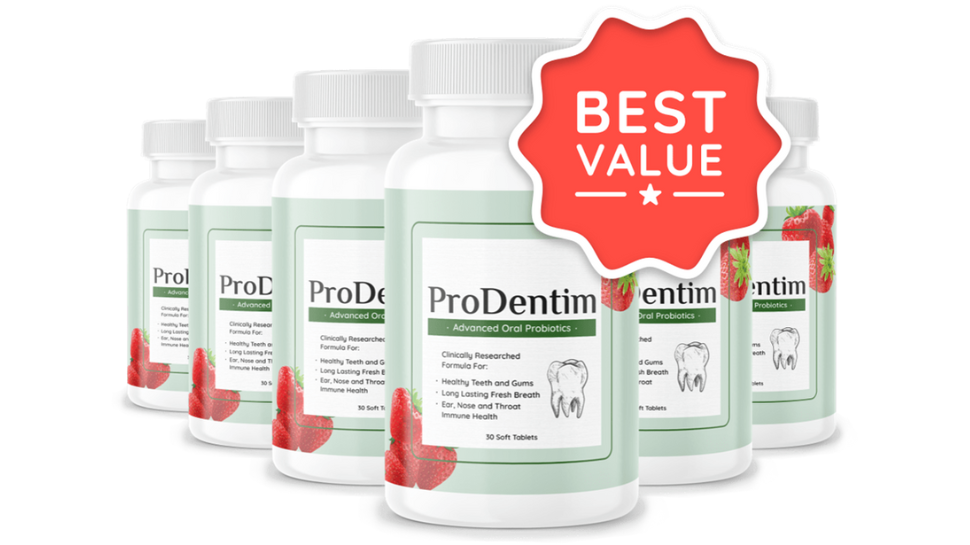
Spart And Design Health & Fitness Prodentim: A Comprehensive Review of the Oral Probiotic Supplement

Prodentim: A Comprehensive Review of the Oral Probiotic Supplement

Maintaining good oral health is crucial for overall well-being, and a growing number of people are turning to probiotic supplements to support their dental hygiene. Prodentim is one such supplement that has gained popularity for its unique approach to oral health. It contains a blend of probiotics and natural ingredients designed to promote healthier gums, teeth, and breath. In this article, we will delve into the composition, benefits, usage, and potential drawbacks of Prodentim to determine whether it is worth trying.

What is Prodentim?

prodentim is an oral probiotic supplement designed to enhance dental and gum health by introducing beneficial bacteria into the mouth. Unlike traditional toothpaste and mouthwash that may kill both good and bad bacteria, Prodentim aims to restore the balance of healthy prodentim in the oral cavity. It is formulated with a mix of probiotic strains, vitamins, minerals, and natural extracts to support a healthy microbiome and improve overall oral hygiene.

Key Ingredients of Prodentim

Prodentim contains a proprietary blend of probiotics and natural components that work together to enhance oral health. Here are some of its key ingredients:

  1. Lactobacillus Paracasei – A probiotic strain that helps maintain a healthy balance of bacteria in the mouth, reducing gum inflammation and promoting stronger teeth.

  2. Lactobacillus Reuteri – Known for its ability to combat harmful bacteria, it can help reduce plaque buildup and freshen breath.

  3. Bifidobacterium Lactis (BL-04) – Supports the immune system and enhances the body’s natural defense against oral infections.

  4. Inulin – A prebiotic that nourishes beneficial bacteria in the mouth, promoting a balanced oral microbiome.

  5. Malic Acid – Found in strawberries and other fruits, it helps in whitening teeth and maintaining healthy gums.

  6. Peppermint & Spearmint Extracts – Provide a refreshing taste while also having antibacterial properties that support fresh breath and overall gum health.

  7. Tricalcium Phosphate – Supports the remineralization of teeth and strengthens enamel.

Benefits of Prodentim

Prodentim offers several advantages for individuals looking to improve their oral health naturally. Some of the primary benefits include:

  • Supports Healthy Teeth and Gums – The probiotic blend promotes healthier gums and reduces the risk of gingivitis and periodontal diseases.

  • Reduces Bad Breath – The mint extracts and probiotic strains work together to combat halitosis (bad breath) by balancing bacteria in the mouth.

  • Prevents Plaque Formation – Helps in reducing plaque buildup, which can lead to cavities and tooth decay.

  • Improves Overall Oral Microbiome – Restores beneficial bacteria that are often destroyed by harsh chemical-based oral care products.

  • Enhances Digestive Health – Some of the probiotic strains in Prodentim also contribute to improved gut health.

  • Non-GMO & Free from Harmful Chemicals – Prodentim is formulated without artificial additives, making it a safer choice for daily oral health maintenance.

How to Use Prodentim?

Prodentim is typically available in the form of chewable tablets that can be easily consumed. Here’s how to use it for maximum benefits:

  1. Dosage: The recommended dosage is one tablet per day, preferably in the morning.

  2. Chew the Tablet: Do not swallow it whole; instead, chew it slowly to allow the probiotics to interact with the oral microbiome effectively.

  3. No Water Needed: Unlike capsules or traditional supplements, Prodentim does not require water for consumption.

  4. Consistency is Key: For optimal results, use Prodentim regularly for at least a few weeks.

Potential Side Effects of Prodentim

Prodentim is generally considered safe for most people. However, some individuals may experience mild side effects, such as:

  • Digestive discomfort (bloating or gas) during the initial days of use.

  • Mild allergic reactions if sensitive to any ingredient.

  • Potential interactions with antibiotics or other medications.

It is always advisable to consult a healthcare professional before adding any new supplement to your routine, especially if you have pre-existing health conditions.

Where to Buy Prodentim?

Prodentim is available for purchase on its official website and other reputable online marketplaces such as Amazon. Buying from the official site ensures authenticity and access to potential discounts or money-back guarantees.

Final Verdict: Is Prodentim Worth Trying?

Prodentim stands out as a unique and effective oral probiotic supplement designed to improve gum and dental health naturally. Its blend of probiotics, prebiotics, and essential nutrients makes it a promising alternative to traditional oral care products. While results may vary from person to person, the scientific backing of probiotics in oral health supports its efficacy. If you’re looking for a natural way to support your teeth and gums, Prodentim may be worth considering.

Conclusion

Maintaining good oral hygiene goes beyond brushing and flossing. A healthy oral microbiome plays a crucial role in preventing cavities, gum disease, and bad breath. Prodentim offers a holistic approach to oral health by introducing beneficial bacteria that work in harmony with your natural dental ecosystem. As with any supplement, it is essential to use it consistently and consult a healthcare professional if needed.

Would you consider trying Prodentim for your oral health?


Leave a Reply

Your email address will not be published. Required fields are marked *

Related Post

Discovering The Benefits Of Physiatrics At Adjustive Physiatrics Rub Down In BooragoonDiscovering The Benefits Of Physiatrics At Adjustive Physiatrics Rub Down In Booragoon

Physiotherapy plays a life-sustaining role in helping populate regain their movement, reduce pain, and improve overall well-being. At Adaptive Physiotherapy Massage, located in Booragoon, clients find more than just handling they find personal care plain to their someone needs. Whether you are recovering from an wound, managing degenerative pain, or aiming to further your muscular performance, this clinic offers PHYSIOTHERAPY services studied to get you moving better and touch stronger.

What Is Physiotherapy and Why Does It Matter?

Physiotherapy is a healthcare go about convergent on up natural science function through work force-on techniques, exercises, and training. It helps populate retrieve from injuries, wangle pain, and keep futurity problems. Physiotherapists use a straddle of methods including manual of arms therapy, stretching, strengthening exercises, and renewal programs.

At Adaptive Physiotherapy Massage, PHYSIOTHERAPY is not a one-size-fits-all service. The team of delicate therapists Theo, Matt, George, Keegan, Devi, and Alexia work intimately with each client to sympathize their goals and challenges. This ensures that every handling plan is unique and operational.

Personalized Care at the Heart of Physiotherapy

The strength of PHYSIOTHERAPY lies in its ability to be modified to different needs. At Adaptive Physiotherapy Massage, the therapists take time to listen in and assess each soul with kid gloves. Whether you are an athlete needing sports rehab or someone dealing with degenerative back pain, the clinic provides tailored programs that direct your particular state of affairs.

This personal touch down helps check faster recovery times and thirster-lasting improvements. The therapists combine their knowledge with work force-on care to tighten pain, step-up mobility, and reconstruct potency.

Integrated Programs for Lasting Results

One sport that sets Adaptive Physiotherapy Massage apart is its structured set about to PHYSIOTHERAPY. Alongside traditional therapy, they offer potency and programs that the recovery work on. These programs help rebuild musculus, ameliorate tractability, and enhance overall seaworthiness.

This holistic method acting substance clients do not just recover from wound but also develop stronger bodies that are less likely to have futurity problems. The of manual of arms therapy, radio-controlled exercises, and fitness coaching creates a comprehensive examination tract to wellness.

Common Physiotherapy Services Offered

At the Booragoon , you will find a straddle of PHYSIOTHERAPY services right to different conditions and goals:

  • Sports Rehabilitation: Tailored programs that help athletes recover from injuries and take back to peak performance.

  • Injury Recovery: Support for people therapeutic from accidents, strains, or operation to recover social movement and effectiveness.

  • Pain Management: Techniques to unbosom chronic pain conditions, such as back pain, arthritis, or neck hardnes.

  • Massage Therapy: Skilled knead treatments that tighten muscle tensity, ameliorate circulation, and kick upstairs rest.

  • Strength and Conditioning: Targeted exercises designed to enhance seaworthiness and prevent wound.

Each serve is provided with care to detail and a sharpen on the mortal s upbeat.

Why Choose Adaptive Physiotherapy Massage in Booragoon?

Choosing the right Physiotherapy clinic can make a big remainder in your retrieval travel. Adaptive Physiotherapy Massage stands out because of its friendly standard atmosphere and team. Clients often observe feeling welcomed and pendent from their first visit.

The therapists Theo, Matt, George, Keegan, Devi, and Alexia are known for their work force-on set about and dedication to personalized care. They do not just regale symptoms but aim to empathise the root causes of pain or disfunction. This thorough set about means clients often see faster, more sustainable improvements.

Moreover, the clinic s focalize on organic strength and sets it apart from many other PHYSIOTHERAPY providers. This approach helps insure that after therapy, clients are stronger and better armed to wield their wellness.

How to Make the Most of Your Physiotherapy Experience

If you are new to PHYSIOTHERAPY, here are some tips to get the best results from your visits:

  • Communicate Clearly: Share your pain levels, life style, and goals openly with your therapist.

  • Commit to Your Plan: Follow the exercises and advice given between Sessions for calm get on.

  • Be Patient: Healing takes time, but with uniform exertion, you will mark improvements.

  • Ask Questions: Don t waffle to ask your therapist why certain treatments or exercises are recommended.

  • Stay Active: Use PHYSIOTHERAPY as a stepping stone to a more active, sound life style.

At Adaptive Physiotherapy Massage, the team supports you every step of the way to control your travel is positive and effective.

The Role of Massage in Physiotherapy

Massage therapy is often an significant part of PHYSIOTHERAPY. It helps tighten muscle tightness, relieve strain, and ameliorate roue flow, which supports healthful. The masterful knead therapists at the clinic use different techniques tailored to your needs, whether for combat injury retrieval or rest.

Combining massage with PHYSIOTHERAPY offers a balanced approach that addresses both the symptoms and underlying issues.

Moving Toward a Healthier Future

Living with pain or limited mobility can be frustrative. Physiotherapy offers a virtual, cancel way to regain control over your body and your life. At Adaptive Physiotherapy Massage, clients are pleased to hug front and potency as keys to long-term health.

The team s work force-on care, personalized plans, and structured programs make a real remainder. Many find that after workings with the therapists, they are not just pain-free but feel stronger and more open than before.

If you are in or near Booragoon and looking for a PHYSIOTHERAPY that combines expertness with unfeigned care, Adaptive Physiotherapy Massage is a direct Worth visiting. Their set about helps you move better, feel better, and get back to the activities you enjoy most.

Finding The Best Autism Therapy For Your Child’s NeedsFinding The Best Autism Therapy For Your Child’s Needs

Every parent dreams of unlocking the full potential within their child, yet for families navigating the world of autism, that journey can feel overwhelming and labyrinthine.

Choosing the right intervention isn’t merely a decision—it’s a pivotal moment that can shape a child’s development, confidence, and future. With countless therapies promising transformative results, how do you discern which path truly aligns with your child’s unique strengths and challenges?

The search for effective Autism support services Canada can be both daunting and empowering, offering a spectrum of innovative programs tailored to diverse needs. From evidence-based behavioral approaches to sensory integration techniques, each therapy brings a distinct methodology and philosophy.

The key lies in understanding not only what the therapies entail but how they resonate with your child’s individuality, temperament, and learning style. Imagine a program where progress is measurable, engagement is joyful, and milestones—no matter how small—are celebrated as victories.

Your child’s journey toward growth, communication, and social connection begins with a single, informed step. Discovering the best therapy isn’t about following trends; it’s about finding the nuanced fit that nurtures potential, sparks confidence, and transforms everyday moments into meaningful achievements.

Understanding Autism and Its Spectrum

Autism, or Autism Spectrum Disorder (ASD), is a complex developmental condition characterized by differences in social interaction, communication, behavior, and sensory processing. Every child with autism is unique, which is why a one-size-fits-all approach rarely works. Some children may excel academically but struggle with social interactions, while others might face challenges in communication but thrive in creative or logical tasks.

Why Individualized Therapy Matters

Therapies are most effective when tailored to a child’s strengths and challenges. Individualized approaches consider:

  • Communication abilities: Does your child communicate verbally or non-verbally? Are there specific speech delays or challenges?

  • Sensory sensitivities: Does your child have heightened sensitivity to sound, touch, or light?

  • Behavioral tendencies: Are repetitive behaviors impacting daily functioning? Is there a need to improve social interaction?

  • Cognitive abilities: What are your child’s learning styles, attention span, and problem-solving skills?

By understanding these aspects, you can select therapies that not only target developmental challenges but also build on existing strengths.

Common Types of Autism Therapy

The field of autism therapy has evolved significantly over the past decades. Each therapy has unique methodologies, goals, and outcomes. Understanding them is crucial to selecting the right combination for your child.

1. Applied Behavior Analysis (ABA)

ABA therapy is one of the most researched and widely used approaches for children with autism. It focuses on reinforcing positive behaviors while reducing behaviors that interfere with learning and social development.

Key Features:

  • Uses structured, evidence-based methods.

  • Reinforces desired behaviors with rewards.

  • Breaks complex skills into manageable steps.

Benefits:

  • Improves communication, social skills, and adaptive behaviors.

  • Provides measurable progress that can be tracked over time.

  • Can be tailored to different ages and developmental levels.

2. Speech and Language Therapy

Communication challenges are central to many children with autism. Speech and language therapy focuses on improving verbal and non-verbal communication, enhancing expressive and receptive language skills, and teaching alternative communication methods such as sign language or communication devices.

Key Features:

  • Develops vocabulary and sentence structure.

  • Enhances understanding of language.

  • Supports social communication and conversational skills.

Benefits:

  • Enables children to express their needs and feelings.

  • Reduces frustration and behavioral issues associated with communication barriers.

  • Supports inclusion in academic and social settings.

3. Occupational Therapy (OT)

Occupational therapy helps children with autism develop essential daily living skills and cope with sensory processing difficulties. This therapy is particularly useful for children who struggle with fine motor skills, coordination, and self-care.

Key Features:

  • Focuses on sensory integration and motor skills.

  • Teaches daily routines like dressing, feeding, and hygiene.

  • Enhances focus, attention, and self-regulation.

Benefits:

  • Promotes independence and confidence.

  • Reduces sensory overload and meltdowns.

  • Supports participation in school and social activities.

4. Social Skills Training

Social skills training targets the ability to interact effectively with peers, family, and the broader community. Many children with autism face challenges in understanding social cues, making friends, and responding appropriately in social situations.

Key Features:

  • Role-playing exercises for real-life social interactions.

  • Group sessions to practice communication and collaboration.

  • Focus on empathy, perspective-taking, and conflict resolution.

Benefits:

  • Enhances friendships and peer relationships.

  • Improves emotional regulation and self-confidence.

  • Supports inclusion in academic and recreational settings.

5. Sensory Integration Therapy

Sensory integration therapy addresses difficulties in processing sensory information. Children may be over-sensitive or under-sensitive to stimuli such as light, sound, touch, or movement.

Key Features:

  • Uses activities like swinging, bouncing, or tactile games.

  • Helps children learn to manage sensory input.

  • Often combined with occupational therapy.

Benefits:

  • Reduces anxiety and behavioral challenges.

  • Improves focus and learning.

  • Enhances participation in daily routines.

6. Cognitive Behavioral Therapy (CBT)

For children who experience anxiety, depression, or obsessive behaviors, CBT can be highly effective. This therapy helps children recognize and manage negative thoughts and develop coping strategies.

Key Features:

  • Structured sessions focusing on thoughts, feelings, and behaviors.

  • Develops problem-solving and coping mechanisms.

  • Can be adapted for children with varying communication abilities.

Benefits:

  • Reduces anxiety, stress, and behavioral challenges.

  • Promotes emotional regulation.

  • Supports resilience and independence.

How to Choose the Right Autism Therapy

Selecting the right therapy is not about choosing the most popular or expensive option—it’s about finding what works best for your child’s individual needs.

Step 1: Conduct a Comprehensive Assessment

Start with a detailed evaluation by qualified professionals. This may include:

  • Developmental and behavioral assessments.

  • Speech and language evaluations.

  • Sensory processing tests.

  • Cognitive and adaptive skills evaluations.

The results will provide a roadmap for identifying areas that require support and those where your child excels.

Step 2: Consider Your Child’s Preferences and Strengths

Observe your child closely. Which activities engage them? What motivates them? Incorporating their interests into therapy can increase participation and success.

Step 3: Set Clear Goals

Define short-term and long-term goals for therapy. Examples include:

  • Improving communication skills within six months.

  • Learning to participate in group activities.

  • Developing independent self-care routines.

Goals should be specific, measurable, attainable, relevant, and time-bound (SMART).

Step 4: Evaluate Therapy Approaches

Consider the following when evaluating therapies:

  • Evidence-based effectiveness.

  • Frequency and duration of sessions.

  • Home-based versus clinic-based options.

  • Therapist qualifications and experience.

Step 5: Monitor Progress and Adjust

Therapy is dynamic. Regularly review your child’s progress and adjust interventions as needed. Flexibility ensures that therapy continues to meet evolving needs.

Integrating Multiple Therapies

For many children, a combination of therapies yields the best results. For instance, pairing ABA with speech therapy and occupational therapy addresses behavioral, communication, and daily living skills simultaneously. Collaboration among therapists, educators, and families ensures a cohesive, supportive approach.

Practical Tips for Parents

Navigating autism therapy can feel overwhelming, but these practical strategies can help:

  • Maintain a detailed therapy journal: Track progress, setbacks, and observations.

  • Advocate for your child: Work closely with educators, therapists, and medical professionals.

  • Involve the whole family: Siblings and extended family can reinforce learning and social skills.

  • Prioritize self-care: Parenting a child with autism requires resilience—don’t neglect your own well-being.

  • Seek support networks: Parent groups, online forums, and community resources provide guidance, encouragement, and shared experiences.

Overcoming Common Challenges

Even with the best therapy plan, challenges arise. Common obstacles include:

  • Resistance to therapy sessions.

  • Difficulty generalizing skills to new environments.

  • Behavioral meltdowns or frustration.

  • Limited access to qualified therapists.

Solutions involve patience, flexibility, and creative problem-solving. Introducing therapy gradually, using positive reinforcement, and ensuring consistent routines can significantly improve engagement.

Emerging and Alternative Therapies

While traditional therapies remain foundational, emerging approaches may complement your child’s development:

  • Music therapy: Enhances communication, social interaction, and emotional expression.

  • Animal-assisted therapy: Provides emotional support and encourages social engagement.

  • Technology-based interventions: Apps and virtual platforms offer interactive learning and communication practice.

Always consult professionals before starting alternative therapies to ensure safety and effectiveness.

The Role of Early Intervention

Research consistently shows that early autism therapy leads to the best outcomes. Intervening during preschool years can significantly improve cognitive, social, and adaptive skills. Early therapy takes advantage of the brain’s plasticity, allowing children to acquire critical skills during formative periods of development.

Measuring Success

Success in autism therapy is not solely about eliminating challenges—it’s about fostering growth, independence, and confidence. Signs of progress may include:

  • Improved communication and language abilities.

  • Increased engagement in social interactions.

  • Greater independence in daily living activities.

  • Reduced anxiety and behavioral difficulties.

  • Enhanced self-esteem and resilience.

Remember, every milestone, no matter how small, represents meaningful progress.

Conclusion

Finding the best autism therapy for your child is a journey that requires knowledge, patience, and advocacy. By understanding the spectrum of available therapies, evaluating your child’s unique needs, and collaborating with professionals, you can create a tailored plan that empowers your child to thrive.

Therapy is not just a treatment—it’s an investment in your child’s future. With the right approach, your child can develop essential skills, navigate challenges with confidence, and lead a fulfilling, enriched life. The key lies in individualized care, early intervention, and ongoing support from family and professionals alike.

Every child’s path is unique, but with careful guidance, informed decisions, and unwavering support, you can unlock your child’s potential and help them flourish in ways you never imagined.

Gas Medis dalam Perspektif Keselamatan Pasien, Efisiensi Operasional, dan Kepatuhan terhadap Standar Internasional di Fasilitas Pelayanan KesehatanGas Medis dalam Perspektif Keselamatan Pasien, Efisiensi Operasional, dan Kepatuhan terhadap Standar Internasional di Fasilitas Pelayanan Kesehatan

generator oksigen merupakan komponen vital dalam sistem pelayanan kesehatan modern. Oksigen, nitrogen, nitrous oxide, udara medis, dan gas anestesi lainnya digunakan setiap hari untuk menunjang diagnosis, terapi, serta tindakan bedah. Karena berhubungan langsung dengan fungsi vital pasien, pengelolaan gas medis tidak hanya menjadi isu teknis, tetapi juga menyangkut keselamatan pasien, efisiensi operasional rumah sakit, dan kepatuhan terhadap standar internasional yang ketat.

Keselamatan Pasien sebagai Prioritas Utama

Keselamatan pasien adalah landasan utama dalam penggunaan gas medis. Kesalahan dalam jenis gas, tekanan, atau sistem distribusi dapat menimbulkan risiko serius, bahkan fatal. Oleh karena itu, sistem gas medis harus dirancang dengan prinsip fail-safe, memiliki kode warna yang jelas, serta dilengkapi dengan sistem alarm untuk mendeteksi kebocoran, tekanan abnormal, atau kegagalan pasokan.

Selain aspek teknis, faktor sumber daya manusia juga sangat menentukan. Tenaga kesehatan perlu memahami fungsi masing-masing gas, cara penggunaan yang benar, serta prosedur darurat bila terjadi gangguan. Pelatihan berkala dan simulasi insiden menjadi bagian penting dari budaya keselamatan. Dengan demikian, risiko kesalahan manusia dapat diminimalkan, dan pasien memperoleh terapi yang aman serta tepat.

Efisiensi Operasional dan Keberlanjutan Layanan

Dari sudut pandang operasional, pengelolaan gas medis yang efisien berkontribusi langsung terhadap kelancaran layanan rumah sakit. Sistem sentral gas medis, misalnya, memungkinkan distribusi gas yang stabil ke berbagai unit perawatan tanpa ketergantungan pada tabung individual yang harus sering diganti. Hal ini mengurangi waktu henti layanan, beban kerja staf, serta biaya logistik.

Efisiensi juga berkaitan dengan pemeliharaan dan manajemen aset. Peralatan seperti manifold, pipa distribusi, dan outlet gas memerlukan inspeksi rutin agar berfungsi optimal. Perencanaan kebutuhan gas yang akurat membantu rumah sakit menghindari pemborosan sekaligus mencegah kekurangan pasokan pada saat kritis. Dalam jangka panjang, efisiensi operasional ini mendukung keberlanjutan layanan kesehatan dan pengendalian biaya.

Peran Standar Internasional dalam Menjamin Mutu

Standar internasional berfungsi sebagai acuan global untuk menjamin mutu dan keselamatan sistem gas medis. Standar seperti ISO dan pedoman dari organisasi kesehatan dunia memberikan kerangka kerja yang mencakup desain, instalasi, pengujian, hingga pemeliharaan sistem. Kepatuhan terhadap standar ini memastikan bahwa fasilitas kesehatan beroperasi dengan tingkat keselamatan yang setara secara global.

Penerapan standar internasional juga memudahkan integrasi teknologi baru dan audit mutu. Rumah sakit yang mengikuti standar cenderung lebih siap menghadapi akreditasi, baik nasional maupun internasional. Selain itu, standar membantu menciptakan keseragaman prosedur, sehingga tenaga kesehatan yang berpindah antar fasilitas tetap dapat bekerja dengan aman dan efektif.

Tantangan dan Upaya Peningkatan di Indonesia

Di Indonesia, tantangan pengelolaan gas medis meliputi keterbatasan infrastruktur, variasi kualitas fasilitas, serta perbedaan tingkat pemahaman teknis. Namun, peluang peningkatan terbuka lebar melalui investasi infrastruktur, peningkatan kapasitas SDM, dan adopsi standar internasional secara bertahap. Kolaborasi antara pemerintah, rumah sakit, penyedia teknologi, dan institusi pendidikan menjadi kunci keberhasilan.

Digitalisasi dan pemantauan berbasis sensor juga mulai diterapkan untuk meningkatkan kontrol dan transparansi penggunaan gas medis. Inovasi ini tidak hanya meningkatkan keselamatan pasien, tetapi juga memperkuat efisiensi operasional.

Penutup

Gas medis adalah elemen krusial yang menyatukan aspek klinis, teknis, dan manajerial dalam pelayanan kesehatan. Dengan menempatkan keselamatan pasien sebagai prioritas, mengelola sistem secara efisien, dan mematuhi standar internasional, fasilitas kesehatan dapat memberikan layanan yang aman, berkualitas, dan berkelanjutan. Pendekatan holistik inilah yang akan memastikan gas medis benar-benar menjadi penopang utama dalam sistem kesehatan modern.

What the Research Says About Psychedelic Therapy in 2024What the Research Says About Psychedelic Therapy in 2024

Imagine a future where mental health treatment isn’t just about managing symptoms but about fostering deep, lasting healing. That’s the promise of psychedelic therapy, a field experiencing a renaissance. But what’s hype, and what’s supported by solid science? As we move deeper into 2024, let’s explore what the latest research reveals about the potential – and limitations – of using psychedelics to treat mental health conditions. This is not just about fringe science; it’s about potentially reshaping how we approach well-being.

The surge of interest in psychedelic therapy stems from the growing recognition that traditional treatments, while helpful for many, aren’t always effective for everyone. Many are now looking to mental health innovation that involves exploring alternative ways to support mental health. This exploration has led to renewed scientific interest in psychedelics and their effects on brain activity and mental well-being. The key question: can substances like psilocybin (found in magic mushrooms) and ketamine offer a novel pathway to healing?

A Brief History and Re-Emergence

Psychedelics aren’t new. Indigenous cultures have used these substances for centuries in spiritual and healing rituals. However, in the mid-20th century, scientific research into psychedelics was largely halted due to legal restrictions and societal concerns. For decades, these substances were relegated to the fringes of scientific inquiry, seen more as recreational drugs than potential therapeutic tools. Recent shifts in policy and increasing evidence of their potential benefits have prompted a resurgence in research.

This re-emergence is fuelled by rigorous scientific investigations. Researchers are now using modern neuroscience tools to understand how psychedelics interact with the brain. This includes studying the neural mechanisms underlying their effects, exploring their impact on various mental health conditions, and conducting controlled clinical trials. The result is a growing body of evidence that is helping to separate fact from fiction and build a solid foundation for the responsible exploration of psychedelic therapy.

Ketamine Therapy: A Closer Look

Ketamine, an anesthetic with psychedelic properties, has been at the forefront of this resurgence. Unlike other classic psychedelics, ketamine is already approved for medical use as an anesthetic and has gained significant traction for treating severe depression. The rapid antidepressant effects of ketamine, often observed within hours or days, offer a glimmer of hope for individuals who haven’t responded to traditional antidepressants. The experience during ketamine treatment is distinct from other mental health treatments.

The data is showing promise, but it’s essential to approach ketamine treatment data with a critical eye. While studies have shown rapid improvement in mood and reduction in suicidal ideation, questions remain about the long-term efficacy and safety of ketamine therapy. Clinical trials ketamine are ongoing to investigate optimal dosing strategies, treatment duration, and potential side effects. Additionally, it’s crucial to consider the context in which ketamine therapy is delivered, including the importance of integration therapy to help patients process their experiences and make lasting changes.

Psychedelic Studies 2024: What’s New?

2024 has brought forth several noteworthy psychedelic studies. These recent studies psychedelic therapy delve into the mechanisms of action of substances like psilocybin and MDMA, as well as exploring their potential to treat a wider range of conditions. For instance, research continues to investigate the effectiveness of psilocybin-assisted therapy for depression, anxiety, and addiction. Moreover, there is growing interest in the use of MDMA-assisted therapy for post-traumatic stress disorder (PTSD), with promising results from clinical trials.

Beyond specific substances, researchers are also exploring the broader implications of psychedelic therapy for mental health care. This includes investigating the role of set and setting (the mindset and environment) in shaping the therapeutic experience, as well as exploring the potential for integrating psychedelic therapy with other evidence-based treatments. These findings are helping to refine treatment protocols and ensure the safe and effective delivery of psychedelic-assisted therapy.

The Science of Psychedelics: How They Work

The science of psychedelics focuses on understanding how these substances interact with the brain to produce their unique effects. Much of the research centers on the serotonin 2A receptor (5-HT2A), which is believed to play a crucial role in mediating the effects of classic psychedelics like psilocybin and LSD. When these substances bind to the 5-HT2A receptor, they can alter brain activity in ways that can lead to changes in perception, cognition, and emotion.

Interestingly, psychedelics appear to decrease activity in the default mode network (DMN), a brain region associated with self-referential thinking and rumination. This reduction in DMN activity is thought to contribute to the sense of ego dissolution and altered sense of self often reported during psychedelic experiences. By disrupting entrenched patterns of thought and behavior, psychedelics may create a window of opportunity for therapeutic change. The possibilities regarding this area are key in mental health breakthroughs.

Evidence-Based Ketamine: What the Data Shows

Evidence-based ketamine protocols are constantly evolving. Initial research focused on intravenous (IV) ketamine infusions, which have shown significant antidepressant effects in treatment-resistant depression. However, more recent studies have explored alternative routes of administration, such as intranasal ketamine (e.g., esketamine) and oral ketamine. These alternative methods offer potential advantages in terms of accessibility and convenience, although their efficacy and safety profiles may differ from IV ketamine. More data is needed.

Regardless of the route of administration, it’s crucial to follow established guidelines for ketamine therapy. This includes careful patient selection, monitoring for adverse effects, and providing supportive therapy to help patients integrate their experiences. While ketamine can provide rapid relief from depressive symptoms, it’s not a magic bullet. For lasting benefits, it’s essential to combine ketamine with psychotherapy and address the underlying issues contributing to the patient’s mental health problems. This is becoming a key trend in 2024 therapy trends.

Impact and Significance for Mental Health Innovation

The potential impact of psychedelic therapy on mental health care is substantial. For individuals who have not responded to traditional treatments, psychedelics offer a new avenue for healing and recovery. By targeting underlying neurobiological mechanisms and promoting psychological flexibility, these substances may offer a more comprehensive and enduring approach to mental health treatment. This signifies tremendous mental health innovation.

However, the responsible integration of psychedelic therapy into mainstream mental health care requires careful consideration of ethical, legal, and practical issues. This includes ensuring that treatment is accessible and affordable, protecting patient safety and autonomy, and addressing concerns about potential misuse or abuse. As the evidence base for psychedelic therapy grows, it’s essential to have open and informed discussions about its potential benefits and risks.

Looking Ahead: 2024 Therapy Trends and Beyond

As we move further into 2024, several key trends are shaping the landscape of psychedelic therapy. One trend is the increasing focus on personalized medicine, tailoring treatment protocols to individual patient characteristics and needs. This includes using biomarkers and other data to predict treatment response and optimize dosing strategies. Another trend is the growing emphasis on integration therapy, helping patients translate their psychedelic experiences into lasting behavioral changes.

Beyond these trends, there are also ongoing efforts to develop new and improved psychedelic therapies. This includes exploring novel psychedelic compounds, as well as refining existing treatment protocols to enhance their safety and efficacy. The future of psychedelic therapy is bright, but it requires continued research, collaboration, and a commitment to responsible innovation. As these therapies evolve, we can hope for even greater success in treating diverse mental health challenges.

Conclusion

Psychedelic therapy is rapidly evolving, and 2024 marks a crucial year for understanding its potential. From ketamine therapy research demonstrating rapid relief to broader psychedelic studies 2024 examining the effects of psilocybin and MDMA, the science is progressing. Remember that research is ongoing, and a cautious, evidence-based approach is essential. What do you think about this topic? Let us know in the comments!

Exploring the Intersection of Medicine and Beauty: The Rise of Medical AestheticsExploring the Intersection of Medicine and Beauty: The Rise of Medical Aesthetics

The field of medical aesthetics, often referred to as medical beauty, has seen an unprecedented surge in popularity over the past few decades. Merging medical science with cosmetic enhancement, medical beauty treatments have become mainstream, offering individuals safer and more effective ways to address aesthetic concerns without the need for invasive surgery. As the demand for these procedures continues to grow, it’s important to explore what medical beauty is, how it works, and why it’s transforming the beauty industry.

What Is Medical Beauty?

Medical beauty involves procedures that utilize medical-grade technologies and techniques to enhance an individual’s physical appearance. Unlike traditional beauty treatments like haircuts or facials, which are typically carried out by non-medical professionals, medical beauty treatments require the expertise of licensed practitioners—such as dermatologists, plastic surgeons, or trained medical aestheticians.

The goal of medical aesthetics is to improve the appearance, health, and function of the skin and body. This includes addressing common concerns like wrinkles, uneven skin tone, acne, and unwanted fat. Procedures in this field can be non-invasive, minimally invasive, or involve slight surgical intervention, depending on the desired outcome.

Popular Medical Beauty Procedures

Medical beauty encompasses a wide range of treatments, each designed to achieve specific aesthetic goals. Here are some of the most popular procedures that have gained traction over the years:

  1. Botox and Neuromodulators

    • Botox, along with other neuromodulators like Dysport and Xeomin, is one of the most well-known medical beauty treatments. These injectable products work by temporarily paralyzing muscles responsible for causing wrinkles and fine lines. Botox is commonly used on the forehead, crow’s feet, and between the brows to give the face a smoother, more youthful appearance.
  2. Dermal Fillers

    • Dermal fillers are injectable gels used to restore volume, smooth out wrinkles, and enhance facial contours. These fillers are commonly made from hyaluronic acid, calcium hydroxyapatite, or poly-L-lactic acid. They can be used to plump lips, define the jawline, fill in under-eye hollows, or lift sagging skin. Results are immediate and last anywhere from 6 months to a year, depending on the product used.
  3. Laser Skin Treatments

    • Laser treatments have revolutionized the world of skincare, providing solutions for a variety of concerns. From removing unwanted hair and treating acne scars to reducing sun damage and tightening the skin, lasers offer a precise and effective method for rejuvenating the skin. Common laser treatments include:
      • Laser Hair Removal: A permanent solution for reducing unwanted hair, laser hair removal uses intense light to target and destroy hair follicles.
      • Fractional Laser Resurfacing: This treatment targets layers of skin to reduce the appearance of fine lines, wrinkles, scars, and pigmentation irregularities.
      • CO2 Laser: Known for its ability to remove deep wrinkles and enhance skin texture, the CO2 laser is often used for more significant skin rejuvenation.
  4. Chemical Peels

    • Chemical peels involve the application of a chemical solution to exfoliate the skin, removing dead cells and encouraging new skin growth. These peels come in varying strengths (superficial, medium, and deep) to address issues such as acne, hyperpigmentation, or signs of aging. Results can range from subtle to dramatic, depending on the depth of the peel.
  5. Microneedling (Collagen Induction Therapy)

    • Microneedling is a non-invasive treatment that uses tiny needles to create controlled micro-injuries in the skin. This stimulates the body’s natural healing process, encouraging the production of collagen and elastin. Microneedling is effective for treating acne scars, stretch marks, and fine lines, and it can even enhance the absorption of skincare products.
  6. CoolSculpting and Non-Surgical Fat Reduction

    • CoolSculpting (also known as cryolipolysis) is a popular fat reduction treatment that uses cold temperatures to freeze and eliminate fat cells. The process targets stubborn fat deposits in areas such as the abdomen, thighs, and flanks. As fat cells are destroyed and flushed from the body, clients enjoy a slimmer contour without the need for surgery.
  7. Platelet-Rich Plasma (PRP) Therapy

    • PRP therapy, often referred to as the "vampire facial," uses the patient’s own blood to promote healing and rejuvenation. After drawing a small amount of blood, it’s processed to concentrate the platelets, which are rich in growth factors. The PRP is then injected into areas of the face or scalp to stimulate collagen production, enhance skin texture, and promote hair growth.

The Benefits of Medical Beauty

Medical beauty treatments offer a number of advantages over traditional cosmetic procedures. These include:

  1. Minimal Downtime

    • Many medical beauty treatments are non-surgical, meaning they require little to no recovery time. For example, Botox injections or dermal fillers typically involve minimal swelling or bruising, allowing clients to return to their daily activities almost immediately.
  2. Safe and Effective Results

    • Since these treatments are performed by licensed medical professionals, they are considered safe and are often backed by extensive research. With the right practitioner, patients can achieve natural-looking results without the risks that come with more invasive surgical procedures.
  3. Long-Lasting Effects

    • Many medical beauty treatments provide long-lasting results, often months or even years, depending on the procedure. For example, Botox typically lasts three to six months, while dermal fillers can last anywhere from six months to two years. This provides more enduring solutions compared to traditional beauty treatments that require constant reapplication.
  4. Customizable Treatments

    • One of the key benefits of medical beauty is its ability to be customized to suit the individual’s needs. Whether someone is looking for subtle enhancement or a more dramatic transformation, treatments can be tailored to achieve specific goals, ensuring that no two treatment plans are the same.
  5. Natural-Looking Results

    • One of the main concerns people have when considering aesthetic treatments is the fear of looking “done” or unnatural. Skilled professionals in medical aesthetics focus on enhancing one’s features rather than altering them drastically, resulting in a more youthful and refreshed appearance that still looks authentic.

The Future of Medical Beauty

The future of medical 醫美香港 is filled with exciting possibilities. As technology continues to advance, we can expect even more innovative treatments to emerge, offering greater precision and more effective results. Additionally, the growing awareness of non-invasive procedures has led to an increase in demand for these treatments, making them more accessible to a wider audience.

The trend of personalized medicine is also making its way into the beauty industry, with customized treatments designed specifically for an individual’s skin type, aging process, and beauty goals. Artificial intelligence and machine learning are already being used to analyze skin conditions and recommend the best treatments, taking personalization to the next level.

Conclusion

Medical beauty is reshaping the landscape of the beauty industry by offering clients effective, non-invasive alternatives to traditional cosmetic surgery. With a wide variety of treatments available to address everything from wrinkles and acne to unwanted fat and hair, medical aesthetics provide safe, long-lasting, and natural-looking results. As technology continues to evolve, the future of medical beauty looks incredibly promising, making it easier than ever for individuals to enhance their appearance and feel more confident in their own skin.