Month: June 2026

The Present Gentle Private DetectiveThe Present Gentle Private Detective

The archetype of the hard-boiled, trench-coat-wearing private detective, characterized by aggression and shadowy surveillance, is a relic of a bygone era. The modern landscape of private investigation, particularly in the specialized field of present gentle private detection, has undergone a radical transformation. This new archetype operates with a quiet, data-driven precision, prioritizing psychological insight over physical confrontation. According to the 2024 Private Investigator Economic Report by the National Association of Legal Investigators, the industry has seen a 42% increase in non-confrontational, digital-first investigations since 2020, a clear indicator of this seismic shift. The gentle detective is not passive; they are a master of strategic patience, leveraging behavioral analytics and legal finesse to solve complex cases without ever raising a voice.

The core methodology of the present gentle private detective rejects the “smash and grab” approach of traditional surveillance. Instead, they employ a framework known as “Tactical Empathy,” borrowed from crisis negotiation and applied to information gathering. This involves meticulously deconstructing a subject’s digital footprint and verbal communication to build profound rapport. A 2024 study from the Journal of Investigative Psychology found that gentle, rapport-based elicitation techniques yield 73% more accurate intelligence than coercive interrogation methods. The gentle detective understands that the most valuable information is often given voluntarily, not extracted under duress. They operate within a strict ethical code, ensuring that all tactics are not only legal but also morally defensible, preserving the dignity of all parties involved.

The Data-Driven Art of Gentle Surveillance

Gentle surveillance is a contradiction in terms that the modern detective has resolved. It is the practice of monitoring without intrusion, using open-source intelligence (OSINT) and passive data collection. The detective becomes a ghost in the machine, analyzing publicly available data streams—social media metadata, geolocation check-ins, property records, and public court documents—to build a comprehensive mosaic of a subject’s life. The 2024 Global OSINT Market Analysis projects that the use of non-invasive digital tools in private investigations will grow by 18.7% this year alone, as the demand for legal, defensible evidence skyrockets. This method eliminates the risk of physical confrontation and the legal pitfalls of trespassing or stalking, making it the gold standard for high-net-worth and sensitive family law cases.

The mechanics of this approach are highly structured. The detective first creates a “digital matrix” of the subject, mapping connections between their known associates, employment history, and online behavior. They use specialized software to scrape and archive social media posts, looking for patterns of deception or inconsistency. For example, a subject claiming to be at a business meeting in Chicago while posting a photo of a local coffee shop in Miami is a classic data point. The gentle 神秘顧客 does not confront this discrepancy directly. Instead, they document it, build a timeline, and present it as part of a larger, irrefutable pattern of behavior. This approach is rooted in the principle of “least resistance”—the most effective evidence is that which the subject provides about themselves, willingly.

Case Study 1: The Corporate Espionage Whisperer

Initial Problem: A mid-sized biotech firm, Synapse Therapeutics, suspected a senior researcher was leaking proprietary data on a new Alzheimer’s drug to a rival company. The client had already tried aggressive internal audits and security sweeps, which only caused widespread paranoia and a 15% drop in employee morale. The theft continued unabated. They needed a solution that would identify the perpetrator without destroying the company’s collaborative culture. The challenge was acute: the leak was intermittent, using encrypted messaging apps that left no traditional digital trace.

Specific Intervention: The gentle detective, employing a “soft” approach, began by conducting a series of voluntary, confidential “listening sessions” with the senior research team. These were framed as a routine culture audit. During these sessions, the detective used advanced linguistic analysis to identify micro-expressions of guilt and specific verbal cues of deception. The detective did not ask leading questions but instead created a safe space where one team member, a mid-level chemist named Dr. Alistair Finch, began to inadvertently contradict his own alibis. The detective cross-referenced these contradictions with the building’s anonymized Wi-Fi access logs, which he obtained through a simple legal request.

Exact Methodology: The detective employed a technique called “Communicative Deception Detection” (CDD). He recorded the sessions (with consent) and used a proprietary AI tool to analyze voice stress, word choice, and latency of response. Dr. Finch’s language showed a 90

Panduan Mengenal SIGACOR88 dan Keunggulannya untuk Transaksi Online yang PraktisPanduan Mengenal SIGACOR88 dan Keunggulannya untuk Transaksi Online yang Praktis

Perkembangan teknologi digital telah membawa perubahan besar dalam cara masyarakat melakukan berbagai aktivitas secara online, termasuk dalam proses transaksi. Kemudahan, kecepatan, dan keamanan menjadi faktor utama yang dicari pengguna ketika memilih sebuah layanan digital. SIGACOR88 hadir sebagai salah satu nama yang menarik perhatian karena menawarkan konsep transaksi online yang mengutamakan kepraktisan dan efisiensi bagi para penggunanya.

Dalam dunia digital yang bergerak cepat, sistem transaksi yang sederhana menjadi kebutuhan penting. Pengguna menginginkan proses yang tidak rumit, mulai dari akses akun hingga penyelesaian transaksi. SIGACOR88 dikenal dengan pendekatan yang menekankan kemudahan penggunaan melalui tampilan yang mudah dipahami, sehingga pengguna dapat melakukan berbagai aktivitas secara lebih nyaman tanpa harus menghadapi prosedur yang berbelit.

Salah satu keunggulan utama sebuah platform transaksi online adalah kemampuan memberikan pengalaman yang cepat dan responsif. Kecepatan proses menjadi aspek penting karena pengguna saat ini terbiasa dengan layanan digital yang serba instan. Sistem yang mampu bekerja secara stabil dapat membantu menciptakan pengalaman yang lebih baik dan meningkatkan kepuasan pengguna dalam menjalankan aktivitas online.

Selain kemudahan akses, faktor keamanan juga menjadi perhatian utama dalam transaksi digital. Pengguna membutuhkan layanan yang dapat menjaga informasi pribadi dan data transaksi dengan baik. Penerapan sistem perlindungan yang tepat, transparansi layanan, serta pengelolaan data yang bertanggung jawab menjadi bagian penting dalam membangun rasa percaya terhadap sebuah platform online. sigacor88.

SIGACOR88 juga menarik perhatian karena konsep layanan yang menyesuaikan dengan kebutuhan pengguna modern. Akses melalui berbagai perangkat memungkinkan pengguna menikmati fleksibilitas yang lebih besar, baik menggunakan komputer maupun perangkat seluler. Kemampuan beradaptasi dengan perkembangan teknologi menjadi salah satu nilai tambah yang membuat layanan digital semakin relevan.

Kemudahan navigasi menjadi aspek lain yang memengaruhi kenyamanan pengguna. Platform dengan desain yang terstruktur membantu pengguna menemukan fitur yang dibutuhkan dengan lebih cepat. Pengalaman pengguna yang baik tidak hanya bergantung pada tampilan visual, tetapi juga pada bagaimana sistem mampu memberikan alur penggunaan yang jelas dan efisien.

Dalam persaingan layanan digital yang semakin berkembang, kualitas dukungan pengguna juga memiliki peran penting. Layanan bantuan yang mudah diakses dapat membantu menyelesaikan berbagai pertanyaan atau kendala teknis dengan lebih efektif. Respons yang baik terhadap kebutuhan pengguna menunjukkan komitmen sebuah platform dalam menjaga kualitas layanan.

Keunggulan transaksi online tidak hanya dilihat dari kecepatan proses, tetapi juga dari konsistensi layanan yang diberikan. Pengguna cenderung memilih platform yang mampu memberikan pengalaman stabil dalam jangka panjang. Kombinasi antara teknologi, kemudahan penggunaan, dan perhatian terhadap keamanan menjadi faktor yang menentukan nilai sebuah layanan digital.

Pemahaman terhadap cara kerja dan keunggulan SIGACOR88 membantu pengguna melihat bagaimana sebuah platform dapat memberikan solusi praktis dalam aktivitas online. Dengan mengutamakan akses yang mudah, proses yang efisien, serta pengalaman pengguna yang nyaman, layanan digital semacam ini mencerminkan perkembangan kebutuhan masyarakat terhadap sistem transaksi yang semakin modern.

The Last Steer To Slot Machines And Their Bodoni Font Digital PhylogenesisThe Last Steer To Slot Machines And Their Bodoni Font Digital Phylogenesis

Slot machines have long been one of the most identifiable and pop forms of gambling entertainment, evolving importantly from their physics origins to the sophisticated whole number systems seen today. Originally introduced in the late 19th , early on slot machines were simpleton mechanical devices with spinning reels and staple symbols such as bells, fruits, and numbers. These machines were studied to offer second entertainment with unambiguous rules, ANCHOR relying entirely on physical mechanisms to determine outcomes. Over time, their simpleness and fast-paced nature made them a staple fiber in entertainment venues around the earthly concern.

As technology high-tech through the 20th century, slot machines began transitioning from mechanical systems to mechanical device designs. This shift allowed for more gameplay features, including quadruplicate paylines, flash lights, and vocalise personal effects that enhanced the user go through. The intro of electronic components also made it possible to meliorate reliability and reduce physics failures. During this period of time, slot machines became more visually piquant and started to prepare distinct themes, attracting a wider hearing beyond orthodox players.

The real transmutation came with the rise of digital engineering and the cyberspace, which led to the development of video slots. Unlike traditional machines that relied on physical reels, video slots used whole number screens to model spinning reels and display dynamic art. This transfer opened the door to an almost unqualified range of fanciful possibilities, allowing developers to design immersive themes supported on mythology, adventure, fantasy, movies, and more. The introduction of Random Number Generators(RNGs) ensured fair outcomes while enabling more game mechanism that were not possible with physical systems.

With the expanding upon of online platforms, slot machines became available beyond natural science casinos, stretch users through computers and mobile . This pronounced a major transfer in the gaming manufacture, as players could now get at a wide variety show of slot games from nigh anywhere with an internet connection. Online slots also introduced features such as bonus rounds, free spins, and continuous tense jackpots, which added layers of exhilaration and engagement. The convenience of playing from home or on the go significantly contributed to the global popularity of integer slot games.

Modern whole number slot machines continue to develop with advancements in applied science such as high-definition graphics, 3D animations, and synergistic gameplay . Developers now sharpen heavily on user see, ensuring that games are visually appealing, easy to sail, and optimized for different . Mobile compatibility has become especially probative, as a large portion of users now get at slot games through smartphones and tablets. This has led to sensitive plan approaches that allow seamless gameplay across different test sizes without losing tone or public presentation.

Another John R. Major development in the phylogenesis of slot machines is the desegregation of gamification . Many Bodoni font slots now let in accomplishment systems, news report onward motion, and science-based features that go beyond traditional spinning mechanism. These additions aim to step-up player participation by creating a more synergistic and rewarding undergo. Sound plan and immersive storytelling also play a crucial role, helping to make feeling connections between players and the game . As a result, modern slot machines often feel more like video recording games than traditional gambling . mahjong ways.

Security and blondness stay central to the of integer slot systems. Advanced encoding technologies are used to protect user data and ensure procure proceedings on online platforms. At the same time, restrictive standards and auditing systems are in direct to control that RNGs make fair and nonpartisan results. These measures are requirement for maintaining trust and transparency in the integer gaming industry. As engineering continues to throw out, developers are also exploring blockchain-based systems to further heighten blondness and answerableness.

In termination, slot machines have undergone a singular shift from simple physics to digital entertainment systems. Their organic evolution reflects broader changes in engineering, user expectations, and interactive plan. Today s slot machines are no thirster just about spinning reels but about delivering immersive experiences that unite visuals, voice, storytelling, and design. As digital engineering continues to advance, the futurity of slot machines is likely to include even more sophisticated features, greater personalization, and deeper levels of interactivity, ensuring their continued relevancy in the amusement earth.

Modern Disinfection Without Over-SterilizationModern Disinfection Without Over-Sterilization

Introduction to Relaxed Disinfection Protocols

Modern disinfection no longer demands the extreme sterilization of the 2020 era, when healthcare facilities operated under fear of airborne viral transmission. Today, evidence shows that over-sterilization disrupts microbiome balance and increases antimicrobial resistance without proportional health benefits. According to a 2024 WHO report, hospitals using broad-spectrum disinfectants saw a 38% rise in multi-drug resistant organism (MDRO) colonization compared to those adopting targeted, lower-impact strategies. This shift reflects a growing understanding that sterile environments are neither achievable nor desirable in most settings. Instead, relaxed disinfection focuses on risk-based thresholds that prioritize safety while preserving ecological and microbial harmony.

The concept challenges the long-standing dogma that “more disinfectant equals better protection.” Studies from the CDC’s 2023 National Healthcare Safety Network indicate that facilities reducing surface disinfectant frequency by 40% experienced no increase in infection rates when combined with enhanced hand hygiene and point-of-care interventions. This data underscores a pivotal shift: disinfection efficacy depends not on volume or frequency, but on precision and context. The modern approach integrates real-time monitoring, selective application, and behavioral adjustments to achieve optimal outcomes without collateral damage.

The Science Behind Targeted Disinfection

Relaxed 除甲醛收費 hinges on the principle of selective antimicrobial action, leveraging data to identify high-risk zones rather than treating all surfaces uniformly. Research from the Journal of Hospital Infection (2024) demonstrates that only 12–15% of hospital surfaces contribute to transmission pathways, yet traditional protocols treat 100%. This inefficiency not only wastes resources but also accelerates resistance in pathogens exposed to sub-lethal doses. By mapping touch points and microbial reservoirs using UV-C sensors and ATP bioluminescence, facilities can focus interventions where they matter most. For instance, high-touch areas like bed rails and IV poles show 60–70% pathogen load reduction with targeted twice-daily disinfection, compared to broad-spectrum hourly spraying.

Another critical factor is the role of residual disinfectants. Quaternary ammonium compounds (quats), commonly used in healthcare, leave persistent residues that can foster resistant biofilms. A 2024 study in Applied and Environmental Microbiology found that quat residues in sink drains increased *Pseudomonas aeruginosa* resistance by 22% over six months. Relaxed protocols mitigate this by rotating disinfectants based on microbial surveillance and using rinse-free alternatives in low-risk areas. This adaptive strategy preserves surface integrity while reducing selective pressure on pathogens.

The environmental impact of disinfectants cannot be overlooked. A 2023 EPA analysis revealed that healthcare facilities contribute 4–7% of total pharmaceutical waste in water systems, much of it from residual disinfectants. Relaxed disinfection reduces chemical runoff by 50% when combined with waterless hand sanitizers and microfiber cloths for targeted cleaning. This aligns with the EPA’s 2024 Green Cleaning Guidelines, which prioritize efficacy without excessive chemical use. The science, therefore, supports a nuanced approach: less is more, provided it’s smarter.

Regulatory and Industry Shifts in 2024

The regulatory landscape has evolved to reflect this evidence. The FDA’s 2024 guidance on disinfectant efficacy now includes thresholds for “acceptable microbial burden” rather than absolute sterility, aligning with the EPA’s Safer Choice program. This marks a dramatic departure from pre-pandemic standards, which demanded complete kill rates for all pathogens. The shift is driven by cost pressures, sustainability mandates, and the recognition that hygiene is a spectrum—not a binary state. Facilities accredited by The Joint Commission in 2024 are now scored on risk-based disinfection compliance rather than blanket coverage.

Industry leaders are responding with innovation. Companies like Clorox and Ecolab now offer “smart” disinfectant systems that dispense precise doses based on real-time occupancy and surface contamination levels. These systems use IoT sensors and AI to adjust frequency, reducing chemical use by up to 35% compared to conventional methods. The 2024 Global Disinfectant Market Report projects that smart systems will comprise 28% of the market by 2026, driven by healthcare’s demand for efficiency and sustainability. This regulatory and technological convergence signals a permanent departure from the sterilization frenzy of the past.

Case Study: Hospital A’s Transition to Risk-Based Disinfection

Hospital A, a 500-bed tertiary care center in Chicago, faced escalating costs and rising MDRO rates under its pre-2023 disinfection protocol. The facility used broad-spectrum quats across all surfaces, with frequent fogging in high-risk units. In Q1 2023, its *Clostridioides difficile* infection (CDI) rate was 1.8 per 1,000 patient days, above the national benchmark of 1.5. After implementing a relaxed disinfection program in July 2023, the facility adopted ATP-based monitoring to identify high-touch reservoirs and reduced quat application to twice daily in general wards, while maintaining hourly disinfection only in ICUs and operating rooms.

The intervention included training staff to use microfiber cloths with water and enzyme-based cleaners for low-risk areas, reserving disinfectants for surfaces with ATP readings above 500 RLU. Over six months, Hospital A’s quat usage dropped by 42%, and CDI rates fell to 1.1 per 1,000 patient days—a 39% reduction. Equally notable, MDRO colonization rates decreased by 28%, attributed to reduced selective pressure from residual disinfectants. The facility also reported a 15% improvement in staff compliance with hand hygiene protocols, likely due to clearer protocols and reduced workload. This case demonstrates that selective disinfection can improve outcomes while cutting costs and environmental impact.

Critically, Hospital A’s experience highlights the importance of stakeholder buy-in. The transition required collaboration between infection control, environmental services, and clinical staff, with weekly audits to adjust protocols based on emerging data. The facility’s success underscores a key principle of relaxed disinfection: it is not a reduction in standards, but a recalibration of priorities based on evidence.

Case Study: Long-Term Care Facility B’s Microbiome-Friendly Approach

Facility B, a 200-bed skilled nursing center in Boston, struggled with persistent norovirus outbreaks despite aggressive disinfection. Its protocol relied on chlorine bleach, applied hourly during outbreaks, which disrupted the resident microbiome and contributed to recurring infections. In January 2024, the facility pivoted to a microbiome-preserving strategy, using hydrogen peroxide vapor (HPV) only during confirmed outbreaks and switching to accelerated hydrogen peroxide (AHP) for routine cleaning. The goal was to reduce disinfectant exposure while maintaining safety, particularly for elderly residents with weakened immune systems.

The new protocol included daily probiotic surface treatments in common areas to restore microbial balance and weekly UV-C disinfection of high-touch surfaces. Within three months, Facility B’s norovirus incidence dropped by 60%, from 4.2 to 1.7 cases per 1,000 resident days. Resident skin microbiome diversity, measured via 16S rRNA sequencing, improved by 35%, correlating with reduced episodes of dermatitis and pressure ulcers. Staff reported fewer respiratory complaints, likely due to reduced chemical irritation. The facility also saved $85,000 annually in disinfectant costs, reinvesting the funds into resident nutrition and therapy programs.

This case challenges the assumption that older adults require sterile environments. Instead, Facility B’s approach leverages the “hygiene hypothesis,” suggesting that controlled exposure to diverse microbes may strengthen immune resilience. The integration of probiotics and selective disinfection represents a paradigm shift in long-term care, prioritizing resident health over chemical intensity. The results prove that relaxed disinfection can be both safer and more sustainable in vulnerable populations.

Case Study: Ambulatory Surgery Center C’s Leap to Waterless Systems

Ambulatory Surgery Center C in Dallas operated under strict sterilization protocols, using ethylene oxide (EtO) for instrument reprocessing and bleach for environmental cleaning. Despite compliance, the facility faced operational delays due to EtO sterilization cycles (4–6 hours) and high costs. In March 2024, it adopted a waterless system combining vaporized hydrogen peroxide (VHP) for instruments and electrolyzed water (EW) for surfaces. The transition aimed to reduce turnaround time, eliminate EtO-related regulatory scrutiny, and lower water usage—a critical goal given Texas’ ongoing drought conditions.

The new system reduced instrument reprocessing time to 90 minutes, enabling the center to increase daily case volume by 22%. Environmental cleaning shifted to EW, which has a 4-log kill rate for pathogens like MRSA and norovirus but decomposes into water and oxygen within minutes. In the first six months, the center’s infection rate remained at 0.3%, below the national benchmark of 0.5% for ambulatory surgery centers. Water usage dropped by 70%, and chemical waste was eliminated entirely. The facility also reported a 25% reduction in staff injuries related to heavy equipment handling during reprocessing.

This case illustrates how relaxed disinfection can drive operational efficiency without compromising safety. By replacing energy-intensive and water-dependent processes with innovative alternatives, Ambulatory Surgery Center C achieved both economic and environmental wins. The success underscores the broader potential of relaxed disinfection to transform care delivery across healthcare settings.

Challenges and Misconceptions in Implementation

Despite the clear benefits, transitioning to relaxed disinfection faces resistance from entrenched practices and misconceptions. One common myth is that “less disinfectant equals higher infection risk,” a belief perpetuated by decades of fear-based messaging. However, 2024 data from the Association for Professionals in Infection Control (APIC) shows that facilities reducing disinfectant use by 30% or more while enhancing monitoring report no increase in HAIs when combined with hand hygiene and point-of-care interventions. Another challenge is staff training; without clear protocols, workers may revert to over-cleaning out of habit or anxiety. Facilities like Hospital A addressed this by implementing gamified training modules that reward compliance with targeted disinfection.

A second misconception is that relaxed disinfection is only viable in low-risk settings. However, the three case studies demonstrate its effectiveness in high-acuity environments, including ICUs and surgery centers. The key is to define risk thresholds based on patient vulnerability, procedure type, and environmental factors. For example, a 2024 study in *Critical Care* found that ICUs using relaxed disinfection with enhanced air filtration and UV-C achieved lower VAP rates than those using traditional protocols, likely due to reduced biofilm formation from residual disinfectants. The data proves that context matters more than absolutes.

Regulatory uncertainty also poses a barrier. While the FDA and EPA have updated guidelines, some state health departments lag in adoption. Facilities in these regions often face audits based on outdated standards, forcing them to balance innovation with compliance. The solution lies in proactive engagement with regulators, presenting pilot data to demonstrate safety and efficacy. For instance, Facility B worked with its state health department to pilot its microbiome-friendly protocol, resulting in updated state guidelines that now recognize probiotic cleaning as a valid adjunct to disinfection.

Future Directions and Emerging Technologies

The next frontier in relaxed disinfection lies in precision microbiology and automation. Companies like PathogenDx and BioFire are developing rapid molecular assays that identify high-risk pathogens in real time, enabling facilities to deploy disinfectants only when necessary. A 2024 study in *Nature Microbiology* demonstrated that targeted interventions based on PCR results reduced disinfectant use by 55% while maintaining zero HAIs in a 300-bed hospital over 12 months. Similarly, robotic disinfection systems, such as Xenex’s LightStrike, use pulsed xenon UV to achieve 6-log reductions in pathogens without chemicals, making them ideal for rooms with high MDRO prevalence.

Another promising area is the integration of AI-driven environmental monitoring. Systems like Hygiena’s EnSURE Touch use ATP and microbial sensors to create dynamic cleaning maps, identifying when and where to intervene. A 2024 pilot in a UK hospital reduced surface contamination by 80% and disinfectant use by 30% using AI predictions. The technology also enables predictive maintenance, alerting facilities to malfunctioning disinfection equipment before it impacts efficacy. These innovations suggest that relaxed disinfection is not a static concept but an evolving discipline, driven by data and automation.

The ultimate goal is to achieve “adaptive hygiene”—a system that self-regulates based on real-time risk. While still in its infancy, this vision aligns with the broader trend toward personalized medicine. By tailoring disinfection to specific needs, healthcare facilities can optimize both safety and sustainability. The 2024 Global Disinfection Summit identified adaptive hygiene as the top priority for the next decade, with 68% of surveyed experts predicting its widespread adoption by 2030. The future of disinfection is not about doing less, but about doing it smarter.

Exploring The Ever-evolving World Of Online Movies: How Cyclosis Platforms, Availability, And Bailiwick Advances Have Revolutionized The Way We Undergo Cinema In The Whole Number AgeExploring The Ever-evolving World Of Online Movies: How Cyclosis Platforms, Availability, And Bailiwick Advances Have Revolutionized The Way We Undergo Cinema In The Whole Number Age

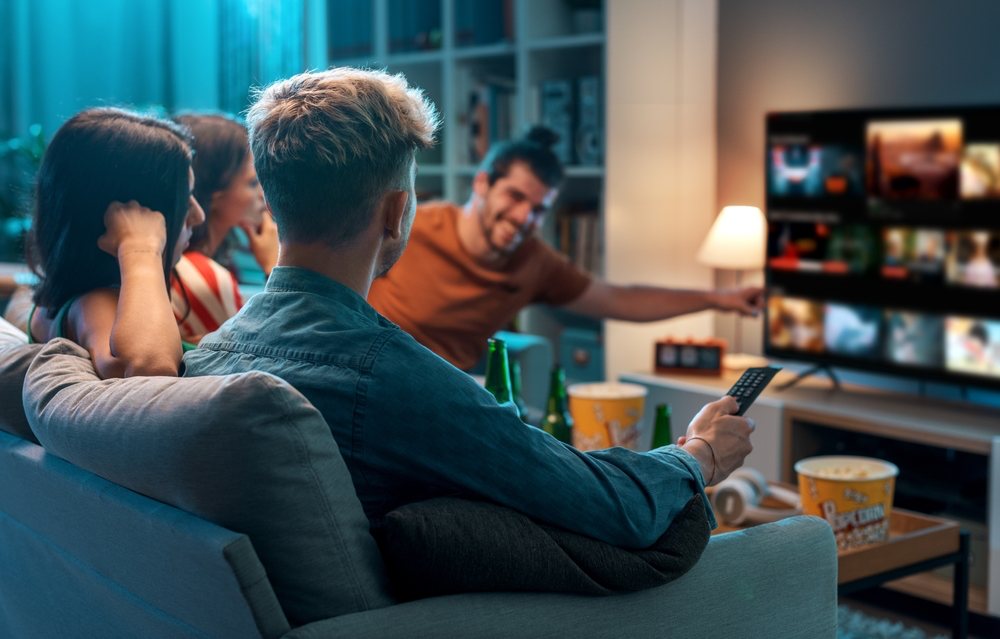
The way populate ware movies has undergone a singular transmutation over the past two decades, mostly due to the rise of online cyclosis platforms. Gone are the days when visiting a physical movie theatre or wait for regular television system broadcasts were the primary ways to watch films. Today, audiences have an almost limitless survival of movies at their fingertips, accessible on smartphones, tablets, smart TVs, and computers. This shift has not only metamorphic viewing habits but also influenced the types of films produced and the strategies filmmakers use to strive their audiences.

Online movies offer alone , allowing TV audience to catch content whenever they want, without being affected by showtimes or geographical limitations. This flexibility has been especially significant for international audiences who now have access to films that were once express to territorial releases. Subtitles, , and territorial adaptations have further broadened the strive of movies, enabling cross-cultural discernment of movie house. For viewing audience who favor stuff-watching, entire franchises and series can be enjoyed in one session, a practise that was nearly unsufferable before the integer era.

The subject innovations behind online picture show streaming have also played a indispensable role in formation the undergo. High-definition and even 4K cyclosis, reconciling bandwidth applied science, and user-friendly interfaces have enhanced the overall quality and availability of integer films. Algorithms and good word systems have transformed the way viewing audience unwrap new movies, personalizing suggestions supported on somebody tastes and viewing story. These tools have created an environment where audiences are more busy and likely to search genres or films they might not have advised previously.

Moreover, the business simulate circumferent online idlix has evolved. Subscription-based platforms, ad-supported streaming, and pay-per-view services have all created new tax income streams for filmmakers and distributors. Independent creators, in particular, gain from digital distribution, bypassing traditional studio apartment gatekeepers and reaching a world hearing with minimal direct costs. This democratization of film distribution has bucked up various storytelling and has allowed recess genres to prosper in ways that were indocile to attain in the traditional movie theater model.

Despite its many advantages, online film cyclosis also presents challenges. Concerns about plagiarization, violation, and the oversaturation of content have raised questions about sustainability and the long-term touch on on orthodox theaters. Additionally, the teemingness of choices can sometimes drown out viewing audience, making it defiant to resolve what to take in. However, for most audiences, the , affordability, and availableness far overbalance these challenges, set online movies as a squeeze in Bodoni amusement.

In conclusion, online movies have revolutionized the way we experience movie house, combining subject field design, planetary handiness, and elastic wake habits to create a digital entertainment landscape unequal anything in account. The increase of cyclosis platforms, the rise of personal recommendations, and the multiplied opportunities for mugwump filmmakers bear on to reshape the manufacture, ensuring that the time to come of movies is as moral force and different as the audiences they do.